

Now, before you think this is just about seeing some skin, take a breath and stick with me. As a dad, you’re a pivotal player in this breastfeeding saga, whether you realize it yet or not. Let’s break it down for you—what’s coming, what to expect, how to pitch in, and all the vital knowledge you need about breastfeeding (for dads). This is really important shit, y’all. So please take a moment here and get yourself ready for just how much you can contribute to your girl’s breastfeeding journey.
Pre-requisite knowledge: Breasts, Boobs, and Tits
Let’s begin by getting our terminology straight. Once your lady starts breastfeeding and you see other friends’ wives doing the same, you’ll notice “tits” isn’t quite right anymore—they become “boobs.” At the doctor’s office, they’re “breasts.” But in the bedroom, they’re still “tits.” So, don’t go asking your pediatrician how to get your baby to latch onto your woman’s “tits”—those are “breasts.” And don’t whisper to your lover in the middle of the night that her “boobs” are hot—they’re “tits.” And your baby is having trouble latching onto the “boob.” Each term has its place; learn this distinction now.
1. Before the Baby Arrives

Listen, my dudes, . . . there’s a part we play in this breastfeeding saga, and it starts way before the baby even shows up. You may not realize this, but breastfeeding is best done as a two-person job. You’re not in charge of the boobs, but you can clean the bottles, take over feedings, make snacks, cook the meals, freeze the milk, and so much more. Here’s the game plan:
1.1 Grab that Knowledge, Man!
Here’s what to do in the days before the baby arrives:
- Prenatal Presence: When it comes to prenatal care, there’s no sideline. You’re not just an observer; you’re a participant. Your presence in those gyno appointments is more than just warming a chair in the waiting room. You need to be looking the doctor in the eye, asking questions, and holding your girl’s hand, letting her know that you’re with her, in all ways. This is about understanding the nitty-gritty, the highs, the lows, and everything in between that’s happening in this wild, beautiful journey towards parenthood.
- Note-Taker Extraordinaire: There’s a heap of information coming your way and she doesn’t need to be the only one trying to remember it all. What did the doctor say about that specific stretch, or that particular diet, or that one exercise? Absorb, remember, and be the walking prenatal encyclopedia for the later times when she goes, “What did the doc say about…?” If you live in a one-party recording state, you can record audio at all of the doctor appointments without even asking. In two-party recording states, most doctors will let you record audio if you ask nicely. It saves them from a late-night phone call down the road.
- Classmate Vibes: Classes. Be they birthing or breastfeeding, your name’s on that attendance sheet too, buddy. It’s not just about being physically present; it’s about being mentally absorbed. Let those walls down, absorb the information, engage, ask, learn, and be the partner she deserves. You might be surprised by the wealth of knowledge and confidence it provides to be armed with all that info. Be the man who not only shows up but shows interest, because this journey is as much yours as it is hers.
- Embracing New Experiences: Your girl is likely nervous–so make sure to be the one to take flattering pictures of this time (yes, even of her growing
titsboobsbreasts), grab pamphlets, and so on. Eventually, you’ll look back on this time and want to remember what it was like. You’re not just ‘the husband’ or ‘the dad-to-be.’ You’re the co-pilot. She’s not doing this ‘at you’; you’re doing this TOGETHER.
Your support isn’t measured by your mere presence. It’s measured by your engagement, your understanding, and your active participation in every step leading to the moment you both welcome your little one into the world. Remember, knowledge isn’t just power; in this context, it’s love, support, and an unspoken promise that you’re with her, every step of the way. Even if you didn’t mean to have this baby. Or if you did. Whatever. So, man up, dive in, and let’s do this, together!
1.2 The Heart-to-Heart Moments
- Doc Talk: When we talk about “Doc Talk,” we’re diving into ensuring everything – from the meds she’s taking to the exercises she’s doing – is all in the clear for a safe breastfeeding journey. And let’s put it out there: being in the details doesn’t mean you’re being creepy or overbearing. It’s about being cognizant, being involved, and ensuring that your girl doesn’t have to stress about the small stuff while nurturing a whole new life. Go ahead, make that list of what she’s eating, check her meds, and be the guy who knows if that yoga pose is a yay or a nay during the third trimester. You are only going to have a few shots at this in your life, why not go the distance?
- Navigating the Best Practices: Keeping an eagle eye on dosages, potential medication changes, and ensuring her overall wellness without being overbearing. It’s those moments where you switch her coffee to decaf because it’s better (let her know, though), or those unsaid instances where you’ve already checked with the doc about the safety of a new supplement. It’s being two steps ahead, not for the applause, but just because she deserves that level of support. This is where your silent acts of support amplify love louder than words ever could.
- Being Her Silent Champion: It’s about the unseen, the unsaid, and the unacknowledged moments where your support speaks volumes.
Gentlemen, let’s not misinterpret the intensity of pregnancy and breastfeeding. It’s miraculous, beautiful, but let’s not sugarcoat it – it’s a lot. And while our magnificent ladies are doing the heavy lifting (literally), it’s our obligation to ensure they’re doing it safely, and with all the support they can get.
Navigating through best practices isn’t about policing her actions; it’s about safeguarding them. If a medication needs to be paused, a dose needs tweaking, or an exercise needs to be swapped, be that guy who’s got the info ready, not as a directive, but as a supportive nudge. She’s carrying a universe inside her; and really needs to know someone has her back. That really should be you, so step up and do this.
And here’s the truth—being her silent champion is where the real heart-to-heart moments happen. In every checklist, in each gentle reminder, in all those silent acts of protection, you’re creating a safety net of support, letting her focus solely on the miracle growing inside her. Let’s be the quiet heroes, the unsung champions, ensuring every step she takes is on a path lovingly checked and safeguarded by you.
1.3 Gear Up and Show Up
- Gear Shopping: Fellas, if you think the shopping is all about the baby clothes and cute little toys, let me hit you with some real talk – the gear up is also about supporting mama during breastfeeding. You probably should let her pick the nursing bras, but you can take care of the bottle cleaners and the drying mats and those little extra pump parts.
- Insurance Call: Be the hero, figure out what’s covered – like that essential breast pump. You need to know this, sometimes people buy breast pumps, but many times these are covered by insurance. Call your company because you can save around $200 if a breast pump is part of your insurance plan. And if it is, absolutely get one. This ain’t just a pump, it’s freedom, it’s flexibility, and it’s ensuring she gets a break when she needs it.
- Creating a Comfortable Nursing Space: You like to build stuff, right? It’s time to create a spot that’s comfortable for both mama and the baby – a cozy nook that’s equipped with a soft chair for those long feeding sessions, a gentle nightlight that’s easy on those half-asleep eyes, and perhaps some soft, soothing background music to keep the ambiance calm and serene. Build your girl her sanctuary. Think soft chairs, a nightlight, and some chill ambiance to start.
- Stocking Up on Healthy Snacks: Keep mom fueled with easy-to-grab, nutritious snacks during those midnight feeds. They’re a test of stamina, and she’s gonna need fuel to keep going. So, stock up on those healthy snacks, keep ‘em handy, keep ‘em nutritious, and keep ‘em coming. This is not just about hunger; it’s about energy, it’s about keeping her healthy, and it’s about showing that you understand and acknowledge the marathon she’s running every single day (or should I say, every single night).
2. That First Feeding

Alright, fellas, this is where the marvel kicks in! Imagine that first milk, the colostrum, being the super-soldier serum for your tiny human. It is nutrition, yes. But it’s also the first line of defense. It is a building block. It is a custom-made health shake. That first breastfeeding is not just feeding. It is armoring up for that little one with everything they need to grow strong and stay protected.
Here’s the best part: this magic potion is tailor-made. It changes by the day, by the feed. Mom and baby have mind-blowing communication. Baby’s saliva says, “Hey, I need this.” Mom’s body responds, “Gotcha, little one!” It alters the milk’s components to provide exactly what’s needed. It’s amazing. It’s important. And it will exhaust your girl in ways you’ll never understand.
2.1 Defense Mode: Activated
- Custom Shields Up: Now, fathers, picture this: Your baby is not just passively receiving nourishment. No, sir! He or she is getting a full-fledged, personalized shield against a plethora (would you say I have a plethora?) of potential villains that might be coming their way, from infections to obesity and even more sinister foes like sudden infant death syndrome. This feeding isn’t just a meal; it’s a strategic defense mechanism designed on-the-fly, specially formulated for your child. Your girl’s breast milk is always adapting and providing a personalized barrier against a myriad of health woes.
- Micro-Warfare: Instead of passively receiving breast milk, your baby actively wages a micro-warfare against potential invaders. Armed with an army of prepped and ready antibodies, this liquid shield deploys them to fend off lurking bacteria and viruses. Breast milk isn’t just fuel for growth; it’s a fortifying fortress, protecting your baby while their burgeoning immune system gears up for solo combat.
- Obesity On The Ropes: In a world where health is wealth, breast milk throws a potent punch in the fight against childhood obesity. It delivers a perfectly balanced, nutrient-dense meal that provides exactly what your baby needs, no more, no less. It’s nature’s way of saying, “I got you,” ensuring your little one gets precisely what they need for optimal growth without unnecessary extras.
- Safe Sleep: And then, there’s the peaceful slumber, something so precious yet so terrifying for new parents navigating the waters of sudden infant death syndrome (SIDS). While breast milk isn’t a magic wand that eradicates the risk, it does play a role in reducing it, offering that extra layer of safety as your little one ventures into dreamland.
Fellas, this isn’t just about watching your kid get fed (although it is a wonderful experience to watch your girl and your child bond like that). It’s about understanding the colossal impact of every drop of that liquid gold we call breastmilk, providing not just nourishment but health, defense, and support in a world that’s brand new to your child. Your role? Be the sidekick to the superhero mom, offering support, ensuring she’s hydrated, rested, and taken care of as she does this monumental task, because that liquid gold isn’t just feeding. It’s future-building. And it’s exhausting for your girl, so be there and enjoy it for her and help her and so on and so on.
2.2 Digestive Peace: A Gentle Start for Tiny Tummies
Your baby’s digestive system is . . . well, brand new. It’s delicate, fresh, and straight outta the box, and what we put in it? That’s crucial! Y’all need to make sure that what goes in nurtures, protects, and doesn’t wreak havoc on that pristine little digestive system. That’s where this breast milk comes in, it’s already ideally formulated to do this.
- Gentle Introduction: This breast milk, it’s like the horse whisperer of the digestive system, introducing those tiny, untouched intestines to the world of digestion with the utmost gentleness. Imagine going to a place like Big Shot Bob’s and ordering the hottest wings on the menu–your adult stomach is probably not ready for that and you’ll pay for it later (but you’ll enjoy it on the way down). Well, babies are kinda the same–they should probably start gentle, too, just like you at Bob’s. Breastmilk is that gentle start that a baby’s digestive system needs. Go with that.
- Bacterial Buddies: Moreover, those first breastfeedings are not just laying down the red carpet for digestion but also setting up a protective barrier inside the gut. They are setting up an army of good bacteria, laying down fortifications to safeguard against potential gastrointestinal upsets and nasty, harmful bacteria that wants to wage war against your kiddo’s tender belly. Breast milk lays down that covering fire that keeps the bad guys at bay while the good guys set up shop, establishing a robust defense for future digestive endeavors.
- Spotless and Sterile: Pure, uncontaminated, and straight from the source, breast milk assures nothing unwanted is sneaking into your baby’s system. There’s no need to stress about sterility or whether it’s safe because Mother Nature has that locked down! It’s the cleanest, safest option, sidestepping any concerns about contaminants or nasties that could disrupt that peaceful digestive commencement.
- Stomach Settling: And while that baby of yours is getting a serene start, their little stomach is gently being prepped for the future, introducing them slowly to the concept of digestion without overwhelming them with complexities. This ensures that when your little one is ready to venture into the world of solids, his or her stomach is prepped, primed, and ready to roll.
So dads, understanding this, appreciating the tranquility that breast milk provides to your child’s digestive start, can help make it easy for you to support and encourage your girl in these pivotal breastfeeding moments. It’s about nurturing the nurturer, ensuring she’s comfortable, supported, and empowered in this beautiful, delicate journey of breastfeeding. And that, my fellas, sets the stage not just for a healthy baby, but for a serene start to the wild ride that is parenthood.
3. It’s Not Just the Milk

Beyond the Nutrients: More Than Just a Meal
Alright, dads, listen up. We’ve got something important to discuss. It’s more than just vitamins and antibodies. We’re diving into a sea of emotions and experiences. We’re talking about a connection that’s hard to describe but incredibly important. Breastfeeding feeds your baby’s soul. It builds a bond. It’s a foundation of love and trust. This is where the magic of parenthood unfolds. Every moment becomes part of that deep, unspoken connection. It’s between you, your partner, and your little one.
3.1 Building Blocks of Bonding: Crafting a Connection That Counts
- Touch and Tenderness: The touch of skin-to-skin, the gentle cuddles, and tender touches are essential. They create emotional and mental foundations for your little one. When your partner and baby lock eyes, there’s a universe of unspoken words between them. Time seems to halt. In that quiet, a bond forms, fused with love, trust, and deep understanding.
- Security Blanket: As your baby feeds, nestled close, they soak in safety, reassurance, and a sense of unshakeable security. Your partner holds the baby close, providing nutrition and a feeling of love and safety. Through gentle touches and soft whispers, your baby feels the security net crafted just for them.
- Communication Hub: This is a silent conversation between mom and baby. It’s an understanding that nurtures both body and spirit. In these quiet moments, they learn about love and trust. They feel the strong arms that will always be there for them.
- Oxytocin Overflow: Oxytocin acts as a magical potion, flooding through your partner and strengthening the bond with your child. As they share this beautiful dance of bonding, your role as a dad is crucial. Be the sturdy pillar that supports them. Your encouragement, understanding, and involvement create the foundation for these precious bonding moments.
So, lend that shoulder, offer that cup of tea, and be the unwavering support that empowers your partner to be the superhero she is for your little one. She pushed that baby out of her vagina and it wasn’t a fun experience. Or she was sliced open and the baby was removed. Dude. She totally deserves these moments and your support.
It’s a trifecta, dads—baby, mom, and you—each of you playing a pivotal role in crafting a tale of love, trust, and an unbreakable bond that time can never erode. And in that, you’re not just observers; you’re active participants in a journey that’s beautifully transformative. Let’s create a legacy of love, shall we, gentlemen? Your significant other is going to totally want to do this more in the future if you show her how strong you can be here and now. Show up. Own this support role.
3.2 Your Time to Shine, Dad: The Pillar, The Protector, The Partner
So by this point, it might start to look like this breastfeeding journey is just between mom and baby–but in the famous words of Evelyn Quince, “Don’t you believe it!” This is your call to action, your moment to step into the spotlight and play a role that’s quintessential, irreplaceable, and monumental in the grand scheme of things.
3.2 How to Support a Woman Who is Breastfeeding
- Emotional Stability: Be the rock, the constant, the unyielding fortress of support emotionally for your partner and baby, providing reassurance through the easy and hard times alike. Your partner might be riding a rollercoaster, juggling the physical demands of breastfeeding with the innate desire to provide the best for your little one. This is where you, dad, anchor the ship amidst these tumultuous tides. Your reassuring words, the look of appreciation, the soft whisper of “you’re doing amazing” can be the gentle balm that soothes her spirit, reassures her path, and encourages her journey.
- Physical Presence: Your hands-on involvement, be it holding, burping, or changing the baby, frees up some moments for your partner to catch a breath and feel cared for. Remember in the show Dinosaurs where Earl tries to learn the mating dance and Fran falls asleep . . . but later he takes care of the baby and she’s all about it? This is that moment for you! Whether it’s taking over diaper duties, managing those middle-of-the-night soothes, or simply cradling your little one to give your partner a moment to rest – your physical presence is a practical aid that speaks volumes of your solidarity and partnership.
- Active Engagement: Dive into the nuances of understanding breastfeeding, being cognizant of the needs, challenges, and creating a supportive environment at home. This is about creating a nurturing, peaceful environment where your partner can comfortably feed without worry, ensuring that all the essentials (like pillows, water, and snacks) are within arm’s reach, and making sure her comfort is paramount.
- Advocacy and Understanding: Stand up for your partner’s needs, safeguarding her emotional and physical well-being, and understanding her journey with empathy and compassion. It’s understanding her struggles, respecting her efforts, and being the unsung hero who stands up for her needs, her health, and her emotional well-being. Be the one who listens, who comprehends without judgment, and who defends her space, her pace, and her place in this journey with unwavering strength and gentle compassion. Even if she’s wrong, let her be right for the next little bit if it won’t hurt anything. She just gave up her body for you and your child.
You’re crafting a sanctuary, dads, where your partner and baby find solace, security, and an abundance of love. Your actions, your support, and your involvement are the unsung melodies that harmonize this beautiful journey of breastfeeding, creating a symphony of love, care, and unshakeable support that will echo through the corridors of your family life for years to come. Stand tall, be proud, and let your love shine through, dads. This is your moment too.
4. Mom Gets to Benefit, Too

Alright, dads, pull up a chair and lend an ear because we’re venturing into something crucial, something that’s not just beneficial but absolutely fantastic for our superwomen. Breastfeeding, while it’s building those little babies, is also a powerhouse of benefits for the women we love. While your lady is working her boob magic, nourishing and protecting your little one, her body is simultaneously pulling off some marvelous stunts that are beneficial to her, too!
Check Out the Plentiful Perks for Mom:
- Instant Satisfaction: That little one’s hunger? Squashed on the spot, no fumbling with bottles, no midnight scrambles with sterilization, and say goodbye to the formula mixing drill. Imagine the ease and immediacy of being able to meet your baby’s hunger needs right then and there. There’s a simplicity, an instant resolution that comes with breastfeeding that makes those midnight cries a tad bit easier to navigate. It’s like a superhero capability that moms wield with such natural, graceful power – immediate, nourishing, and ever-ready.
- A Shield Against Health Risks: An armor of sorts, breastfeeding potentially lowers the risk of certain health conditions, such as specific cancers and type 2 diabetes. It’s like a two-way street – while the baby is drawing nutrients, mom’s body is crafting a protective shield against potential future health concerns. It’s a symbiotic relationship where both mom and baby are not just giving, but profoundly receiving too.
- A Healing Touch: And as for healing, breastfeeding is this subtle, gentle force that aids in the postpartum recovery journey. It helps to control post-birth bleeding and guides the uterus on its journey back to its pre-pregnancy state, doing so with a gentle yet determined perseverance. Your partner’s body, in its incredible wisdom, navigates through this recovery with a little help from the breastfeeding process.
- Calorie Burner Extraordinaire: We can’t forget the subtle yet powerful calorie-burning feature of breastfeeding. It’s like a secret workout session where, without stepping on a treadmill, the body naturally utilizes stored calories for milk production. It’s an under-the-radar, efficient way of supporting a healthy postpartum weight transition, especially crucial for moms who experienced gestational diabetes during pregnancy.
- Wallet-Friendly: Oh, and let’s not forget – it’s saving those dollars by bypassing formula costs, which, let’s face it, only rocket up as baby grows. It sidesteps the hefty price tag attached to formula feeding, enabling a financial breather, and ensuring that the nutrient-dense, tailored meal is always ready for the little one without denting the wallet.
Gentlemen, it’s imperative to appreciate, respect, and support the journey of breastfeeding. It offers unparalleled benefits for your tiny one and supports, protects, and facilitates wellness in our beloved moms too. In every drop of breast milk, there’s a story of love, nourishment, protection, and incredible benefits for both baby and mom. Celebrate it, support it, and stand by her through every step of the way.
5. Fascinating World of Breast Milk Basics

Okay, dads, it’s story time. This is the intriguing tale of breast milk. It’s a miraculous, life-giving substance that becomes a frontline warrior for our little champs from the moment they enter the world.
Delving into the How’s of Breast Milk
Understanding how breast milk is conjured within the body can demystify a lot of aspects about breastfeeding and equip you to be a more informed supporter during this journey. The breast, an extraordinary organ (you know you already love it), harbors alveoli cells nestled within its lobes. These cells are the experts in producing milk. They work hard to create the nourishment your tiny one needs. Your partner might notice her breasts becoming a bit fuller and more tender during pregnancy – that’s the alveoli cells rolling up their sleeves and getting down to business. And it’s fun for both of you to photograph, so if she’s not feeling self-conscious, get that camera out. She’ll love looking back and saying “look at how big my tits boobs were!”
When your baby suckles, two pivotal hormones, prolactin and oxytocin, surge, initiating a cascade that results in the milk traveling through the ducts, reaching the nipple, and ultimately, your eagerly waiting baby. This whole orchestration also triggers the “let-down reflex”, a crucial phenomenon where nerves in the breast signal the milk to be released into the ducts, making breastfeeding smoother. And, interestingly, the mere cry of your baby (or other babies) or thoughts about them can summon this reflex! But be mindful, dads, factors like stress, pain, and certain substances can hinder this beautiful process–so as much as you feel you have to defend something, let it go. Keep things stress-free. Breathe. She’s the superstar right now and this is her day.
A Journey Through Three Stages of Milk
- Stage 1: Colostrum – The at-birth debut act features the incredible “liquid gold”, which your partner will produce during pregnancy and right after delivery. It’s not just milk; it’s a fortified shield protecting your newborn against harmful entities, aiding that first crucial bowel movement, and combatting the risk of jaundice. Even though it’s available in just modest quantities, every drop is a powerhouse of protective and nurturing elements.
- Stage 2: Transitional Milk – Making its entrance around day three to four post-birth, transitional milk is a blend looking somewhat like milk kissed by orange juice. It’s denser in lactose, fat, and calories, yet a bit more relaxed on the immunoglobulin and protein front compared to colostrum. This is normal.
- Stage 3: Mother’s Milk – Stepping into the spotlight approximately 10 days to two weeks post-delivery, mature mother’s milk is the mainstay breastmilk, providing a balanced, nutrient-dense diet to ensure your little one thrives. It’s as delicious as the whopper at Burger King, except healthy for your little one. And the kids really do have it their way, because the mother’s body fine-tunes the milk with each feeding.
Being familiar with this awe-inspiring process, gentlemen, enables you to not only appreciate the f#%*@in magnificent biology of breastfeeding but also to stand as a pillar of support and understanding for your partner through the triumphs and challenges of her breastfeeding journey.
It’s imperative to dive deep, understand, and walk through each stage with her, ensuring she’s supported, celebrated, and respected through every drop of milk she provides. So, here’s to the dads, standing steadfast, supporting, and navigating the wonderful world of breastfeeding alongside the incredible moms. Let’s ensure every drop is acknowledged, and every moment is supported, shall we?
6. Cracking the Code on Breast Milk Supply
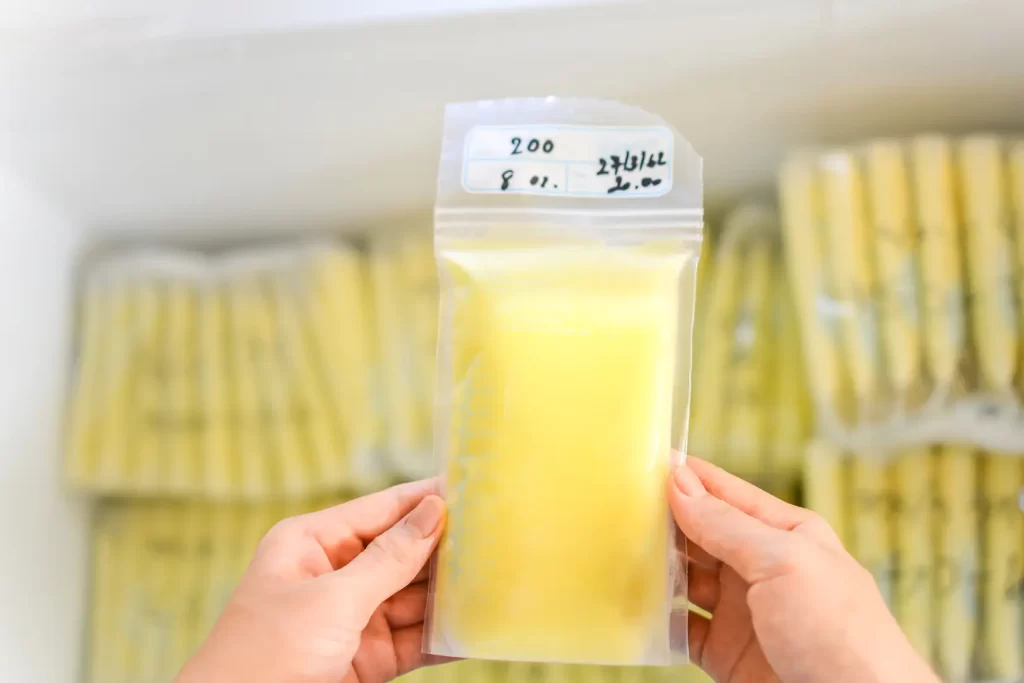
Let’s dive into the details of something crucial for our little ones’ growth—breast milk supply. Mom has a lot on her plate right now. Stepping up means understanding, empathizing, and adapting to be the co-parent she needs. It also means taking on some feedings yourself using mom’s stored breast milk.
The Dynamics of Milk Production
First and foremost, it’s essential to get your head around the two primary dictators of milk production: the emptiness of the breasts and the frequency of breastfeeding or pumping. When the breasts are adequately emptied, they get the signal – “Alright, time to manufacture more milk!” Moreover, frequent nursing or pumping further amps up the milk production line.
But, this is real life, and it’s not always as straightforward as it sounds. Various hurdles can put a dent in milk production, like starting breastfeeding late, suboptimal latching, introducing formula supplements, certain medications, and underlying health or physical conditions (e.g., maternal obesity, diabetes, previous breast surgeries). Hell, if your girl goes to a friend’s wedding in California for a few days and can’t pump as often, her milk supply might never be the same after that. Navigating through these challenges is where you, dad, can play a pivotal role.
Navigate Through Challenges Like a Pro
Ensuring that the milk is efficiently removed is a must. That might mean engaging in breast massages and compressions (yes, you can help with this), mom offering both breasts during nursing, or even using a breast pump post-nursing. These strategies not only amplify milk production but also help in managing those instances when your baby might not empty the breasts effectively.
To further back up your partner:
- Encourage the use of a breast pump when breastfeeding sessions are missed.
- Ensure that the introduction of a pacifier is held off until about 3-4 weeks post-birth to establish a robust breastfeeding routine.
- Suggest maintaining minimal consumption of alcohol and nicotine, as these can potentially impact milk supply. It’s probably a good idea to have your woman stop these things altogether.
Remember: every drop of milk, every ounce of effort she puts into breastfeeding is sacred. Your role, dad, is to stand by her, understand these mechanics, and act as a scaffolding, especially when things get bumpy.
Never Hesitate to Seek Expert Guidance
If there’s a hint of concern about mom’s milk supply, ensure that you guys are tapping into the wisdom of healthcare professionals – be it doctors, pediatricians, or lactation consultants. Their expertise can demystify concerns, offer tangible solutions, and possibly introduce novel strategies to enhance milk production and manage potential roadblocks effectively.
The National Breastfeeding Helpline is 1-800-994-9662 and is available Monday through Friday, 9 AM–6 PM ET. The helpline is available in English and Spanish, and the phone operators are trained breastfeeding peer counselors.
7. Handling Breast Milk with Care
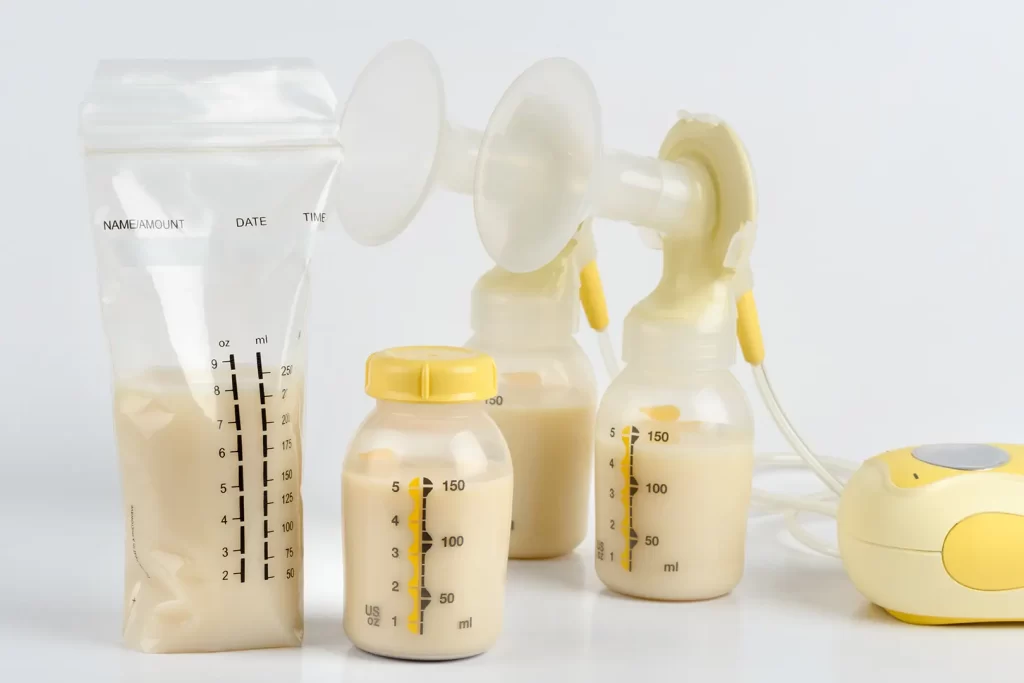
Alright, dads, let’s dive into another vital chapter – preserving that precious breast milk when it’s outside of mom’s body. First, don’t drink it. It’s not yours, it’s your child’s. Secondly, handle with care–there’s only so much of this.
Now, whether your partner’s pumping to keep that milk flowin’ steady while she’s away from the munchkin, or just to have a stash for those “just in case” moments when mom might be sick or stuck in traffic, understanding the ropes of storing breast milk becomes a dad’s job.
The ABCs of Selecting Storage Options
Looking through the many options of milk storage, we’ve got a few great choices like specially designed breast milk storage bags, and if you want to go the bottle route, look at BPA-free plastic or glass bottles with snug lids. Sorry to break it to you, but disposable bottle liners or other makeshift storage options just won’t make the cut. Spend the money for the real stuff.
Fresh Out the Pump: Understanding Timeframes
Firstly, let’s get a grip on those critical timeframes:
- Room Temperature (up to 77°F): After pumping, that milk can chill there for up to 4 hours.
- Refrigerator: That milk’s good for up to 4 days, post-pumping, in the fridge.
- Freezer: If that 4-day mark is creeping up and the milk’s untouched, into the freezer it goes.
- On-the-Move: Utilize an insulated cooler for a safe 24-hour storage window when you’re on the move.
Here to Assist, Not to Stress
Ensure you’re not only knowledgeable of these timeframes but also actively managing them. That could mean labeling the bags or bottles with dates, organizing the fridge and freezer storage to avoid any “Oops, this was supposed to be used first” moments, and essentially being the gatekeeper of ensuring no drop of that precious milk goes to waste.
Treading with Caution: Respect the Liquid Gold
- When it comes to thawing that frozen milk, remember: patience is key. No microwaving, no direct heat – let it thaw slowly in the fridge or gently in warm water. Bottle warmers are a good idea, too.
- Ensure that once that milk’s thawed, it’s consumed within 24 hours, and any left-over milk post-feeding isn’t reused due to bacterial growth.
Bonus Pro Tip
Make friends with your partner’s breast pump. Understand how it works, how to assemble it, clean it, and ensure it’s always ready for action when she needs it. Be the Pump Guy. You can do it!
Also, your active involvement in these aspects doesn’t just ease the physical load; it’s a monumental emotional and mental support for mom. These gestures embody respect, appreciation, and an unspoken “We’re in this together” assurance that’ll make you an undisputed champion in her eyes. Let’s get storing and supporting with confidence!
8. A Deep Dive into Breastfeeding Practices

Breastfeeding a newborn invites a multitude of questions, especially when it comes to duration, frequency, and understanding the baby’s cues. So, let’s take a gentle stroll through the ins and outs of breastfeeding basics for you, dad, so you can be sure.
8.1 Clocking in Feedings: How Long is Long Enough?
Embarking on this new boob-based journey, you might find yourself wondering: how long should each feeding session last? While every baby dances to the rhythm of their own feeding clock, typically, feeding sessions could stretch anywhere from 15 to 45 minutes. The golden rule here is to tune into your baby’s signals – their loosening grip, slowing suck-swallow pattern, and a blissful, sleepy demeanor indicate a satisfying feed. Remember, it’s not about ticking a time-box, but ensuring that your baby gracefully communicates their fullness through these subtle cues. Obviously, don’t cut them off after 3 minutes or continue to feed into an hour or more without talking to a health professional.
8.2 A Matter of Frequency: How Often Do We Dive into Feedings?
In the first days after your baby is born, do frequent feeding sessions. 8 to 12 times in a 24-hour span is a common range, roughly translating to every two to three hours. Sometimes, especially in those first exhausting days, the timeline might shrink to every one to two hours. Yet, the key here is flexibility – observing, understanding, and catering to your baby’s unique feeding rhythm and needs. Pay attention, you’ll know. It’s easier to figure out than it sounds.
8.3 On-Demand vs. Scheduled: Attuning to Your Baby’s Needs
The concept of on-demand feeding champions the philosophy of responding to your baby’s hunger cues – like increased alertness, mouthing, or rooting – and placing them on the breast whenever they signal the need, instead of adhering to a strict feeding schedule. While crying can indeed signify hunger, it’s typically a later signal, and feeding might become a tad bit more challenging at this stage. A calm hungry baby is much better than a cranky hungry baby. Same for adults, really. Therefore, keeping an eye out for early cues ensures smoother feeding sessions and you should try to be proactive.
8.4 The Phenomenon of Cluster Feeding: Navigating Through Intense Feeding Periods
Occasionally, your tiny tot might exhibit a pattern of cluster feeding, where they wish to feed multiple times in a condensed time frame, followed by a longer pause without feeding. This might be especially prevalent during evenings and nights, becoming a distinctive pattern. The essential factor here is satisfaction – ensuring your baby is content and satiated post these intense feeding bouts.
9. How to Understand Hunger and Fullness Signs

Recognizing when your baby is hungry or full is pivotal in ensuring they receive the nutrition they need while also cultivating a healthy relationship with food from a tender age. The journey starts with appreciating that even without words, babies communicate robustly through a variety of signals and physical cues. And don’t worry, it’s a lot easier than you think.
9.1 Pre-verbal Breastfeeding Communication: Understanding Early Hunger Signs
Babies, even though unable to verbalize, are exquisite communicators, revealing their needs through poignant physical gestures and sounds. Watch for hunger cues such as:
- Nuzzling against your chest (or mom’s
titsboobs) - Furiously sucking on their hand or clothing
- Mouth opening
- Exhibiting the rooting reflex
- Lip or tongue sucking
- Lip smacking
- Emitted short, rhythmic cries
Understanding these cues helps initiate feeding before the baby gets too agitated, ensuring a serene and effective feeding session.
From birth to 5 months, cues that your baby might be hungry include turning the head towards the breast or bottle, puckering lips, and clenched hands. Signs of fullness can be identified when your baby closes their mouth, relaxes their hands, or turns their head away. Keeping an acute eye on these signals facilitates a stress-free feeding journey, preventing overfeeding and fostering an environment where the baby feels understood and cared for.
9.2 Navigating Through Evolving Hunger Signs as They Grow
As babies age, their communicative methods evolve, necessitating an adaptive approach from parents. Between 6 to 23 months, hunger might be expressed through:
- Reaching or pointing towards food
- Opening their mouth when food approaches
- Expressing excitement upon seeing food
- Utilizing specific sounds or gestures indicating hunger
To be honest, if you own a dog, children between 6 and 23 months communicate their hunger needs in many of the same ways.
Conversely, fullness might manifest as pushing food away, closing the mouth, or using gestures to indicate satiation. Your baby will learn how to tell you “no” or “no more” pretty quickly.
It is paramount to respect these signals and allow your child the autonomy to decide how much they want to eat. Ensuring feeding practices are not pressurized and that food is neither used as a reward nor a punishment supports the establishment of healthy eating habits.
10. Ensuring Your Baby is Getting Enough, Dad Style

Alright, fathers, gather around because it’s feeding time! We’re talking about keeping those baby bellies full with that liquid gold—breast milk. Figuring out if your little one is getting enough can feel like solving a mystery. It’s up to us, the dynamic dad-duo, to crack the code.
10.1 Baby’s Belly: Size and Satisfaction
So, let’s lay down some quick facts, dads:
- Newborn tummies: tiny, handling 1-2 teaspoons of milk initially, expanding to about 2 ounces by day 10.
- Baby weight gain should be around 1 ounce daily from birth to 3 months, with a little weight loss in the initial days.
- Those 1-6-month-olds should be consuming about 19-30 ounces of breast milk daily.
Got that? Great. Now, onto deciphering the poop mystery.
10.2 Diaper Decoding 101: A Guide for Dads
Hold on to your diapers, because yes, we’re diving into the shitty world of baby bowel movements and what they tell us:
Now, first things first: Baby’s first masterpiece is gonna be this sticky, dark-green, almost alien-like goo called meconium. It’s like the baby’s way of giving you a heads-up: “Welcome to parenthood!” This stuff is made from all the things your baby collected while floating in the womb, like skin cells, lanugo hair, and amniotic fluid. If your little astronaut doesn’t launch this cosmic sludge within 24 hours after landing on planet Earth, you wanna chat with the baby doc.
Once you wave goodbye to the meconium, get ready for the regular baby poop express! The look and feel of this stuff depend on the baby’s dining menu:
- For the breastfed crew, the poop’s gonna look a bit like Dijon mustard with a runny vibe and maybe some white, seedy specs. It’s like a mood ring; the color changes based on what the breastfeeding parent eats. Spinach for lunch? Boom! Green-tinted diapers.
- Formula-fed tiny tots? Their poop’s more like a tan or yellow paste – not too runny, not too stiff, just like a good batch of peanut butter.
And when your little food critic starts on solids, oh boy, get ready for the full spectrum! You’ll see everything from undigested pea skins to a whole new level of stink, thanks to those fancy fats and sugars.
Ensuring Sufficient Feeding: Additional Signs
It’s not just the diaper duty that gives us the feeding 411. A few more signs your mini-me is getting ample milk:
- Pale yellow urine, not deep yellow or orange.
- Audible swallowing during feeds.
- Post-feed chill and content vibes from the baby.
- Softer feeling breasts post-feed.
- A nice cycle of snoozes and alertness from the youngster.
10.3 Breastfeeding Duration and Potential Pauses
The American Academy of Pediatrics (AAP) recommends exclusive breastfeeding for the initial six months, introducing solids while continuing breastfeeding afterward, and maintaining breastfeeding as long as it suits both mom and baby. Now, you might be thinking, “How long is ideal?” Well, while 57.3% stick with it for six months and 36.2% push to a year, it’s truly a personal journey and decision.
Weaning typically flows best when baby takes the lead, but let’s keep it real, your lifestyle and circumstances will influence this journey, too. Whether it’s mom returning to work, personal health, or simply feeling the moment is right, the decision to conclude breastfeeding is intimately yours as a family.
And quick note, dads, if mom’s on medication or feeling under the weather, a doctor’s chat pre-breastfeeding is a smart move. Most times, sickness or meds won’t halt breastfeeding, but professional advice ensures baby’s safety and mom’s well-being.
So, dads, while we aren’t the milk machines in this scenario, our role is paramount in understanding, assisting, and navigating this journey alongside our partners. Keeping track of the baby’s input and output, if you catch my drift, is crucial in the early stages and beyond. Time to buckle up and embrace the diaper detective life – you’ve got this!
11. Supporting Moms in the Latching Journey

Alright, dads, welcome back to another chapter of “Becoming the Supportive Breastfeeding Partner”! Our topic today: Latching. This isn’t just mommy territory; your support is key in making this work. So, let’s talk about how we can have our ladies’ backs (or tits boobs?) in ensuring our kiddos are effectively latching and munching.
11.1 Baby-led Breastfeeding: Letting Your Little One Take the Lead
When it comes to latching, one popular method is the “baby-led” breastfeeding. Imagine your baby as a tiny captain, steering the ship towards the milky harbor. It’s about letting them follow their natural, instinctive path to latch onto the breast. How can we assist our partners and babies in this? Here are some ways you, dad, can ensure a serene environment for this:
- Make sure mom is comfy: arrange pillows, create a relaxed space, or whatever gets her in a zen state.
- Facilitate skin-to-skin: help position the baby between mom’s breasts, facilitating that primal, instinctive connection.
- Be observant: keep an eye out for baby’s cues, such as head-bobbing or squirminess when hunger strikes.
If Baby-led Doesn’t Stick: Additional Techniques
Now, in case the baby-led adventure doesn’t sail smoothly, there are a few tweaks and nudges you and mom can implement to guide the little one towards a fruitful latch. Your role here, dad, might be in gentle reminders or helping mom troubleshoot. A couple of tweaks to keep in mind:
- Gently tickle baby’s lips with the nipple, kind of coaxing them to open up and latch. This many times works on adults, too.
- Ensure baby’s chin and lower jaw are nudged into the breast, offering stability and optimal latch potential.
- Direct the baby’s lower lip away from the base of the nipple, encouraging them to secure a hearty mouthful of the breast.
11.2 Ensuring a Solid Latch: Signs and Comfort Tips
We’re all in for ensuring that mom and baby are comfy and successfully feeding. So, you might be wondering, how do we know it’s a good latch? A few signs to look out for:
- Listening for active swallowing from the baby.
- Checking for a comfortable, non-painful experience for mom.
- Observing a steadily feeding, content baby.
Being the supportive pillar for mom might involve assisting her into a comfortable position, providing emotional encouragement, or being the guy ready with a glass of water or a snack for her. Websites like WomensHealth.gov and The Bump offer great visual guides for breastfeeding positions that might be useful for both of you to check out.
And there you have it, dads, a mini-manual for being the latch-support superstar! While you may not be the one physically breastfeeding, your role in facilitating, supporting, and ensuring a smooth process for mom and baby is critical. Let’s keep championing our amazing partners as they navigate through the breastfeeding journey!
12. With a Little Help From My Friends
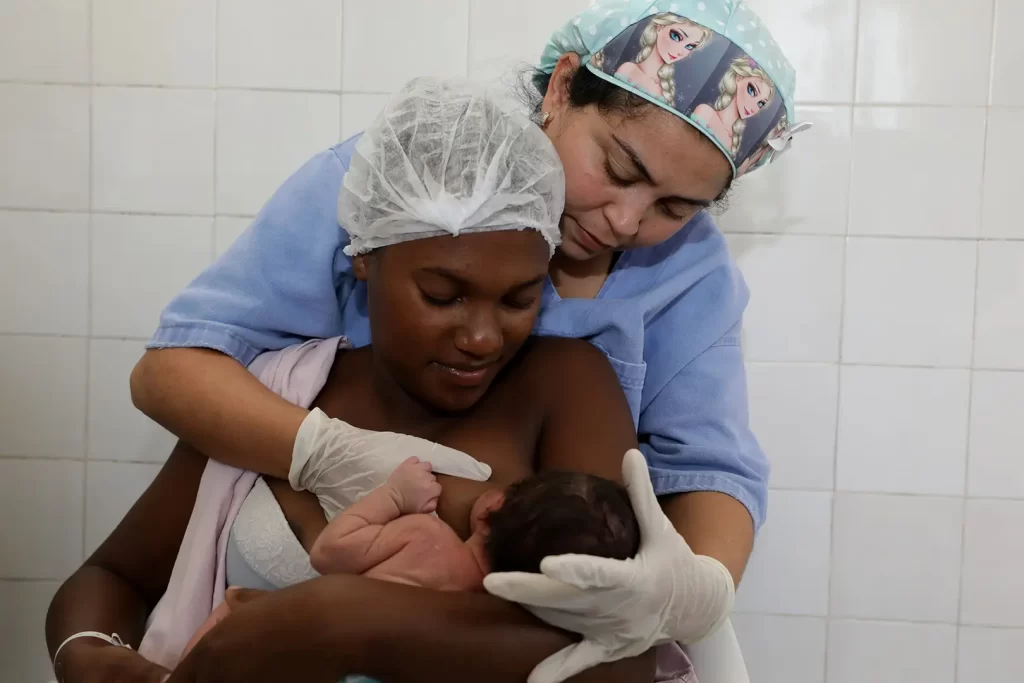
Okay, dads, 92% is no joke. According to UC Davis Medical Center, that’s the percentage of new moms who run into hurdles while trying to breastfeed in those initial, pivotal three days postpartum. This illuminates a truth we all need to embrace: challenges in the breastfeeding realm are more of a norm than an exception. Your role? Be the unwavering co-pilot, helping navigate through this oftentimes bumpy ride, offering resources and solidarity every step of the way.
Lactation Consultants: The Breastfeeding Lifeguards
International Board-Certified Lactation Consultants (IBCLCs) are like the special forces of breastfeeding support. These superheroes sport the highest degree of knowledge and skill when it comes to breastfeeding troubleshooting. Nipple and breast pain, concern over baby’s weight gain, excessively long feeding sessions, whatever the hurdle – they’ve got a toolkit of solutions. Lactation consultants are available in numerous hospitals and communities, and the International Lactation Consultant Association can hook you up with one near you.
Beyond Consultants: A Treasure Trove of Resources
Lactation consultants aren’t the only key players in your support network. You’ve also got:
- Pediatricians: Your baby’s doc can address and advise on any breastfeeding snags you hit.
- Breastfeeding Peer Counselors: Moms who’ve been there, done that, and are ready to guide other moms through it.
- Doulas: These guides of pregnancy and postpartum aren’t just about birthing babies; they’re also versed in helping you feed them.
- Organizations and Helplines: The likes of La Leche League International and the National Women’s Health and Breastfeeding Helpline (1-800-994-9662) are ready to lend an ear and some sage advice from Monday to Friday, 9 a.m. to 6 p.m. ET.
You might also find solace and handy tips from other breastfeeding mothers, blogs, chat rooms, and social media groups. Peer experience can sometimes be the most relatable and reassuring resource available.
It’s Not All or Nothing: Exploring All Avenues
Let’s be clear: if after trying, seeking help, and trying some more, things still aren’t cruising smoothly, it’s okay. It’s crucial, dad, to reassure your partner that breastfeeding is not an all-or-nothing deal. Health professionals may recommend supplementing with or even transitioning to formula, and that’s perfectly okay. It’s about what ensures both baby and mom are healthy and thriving.
In closing, Dads, being the unwavering support system through the breastfeeding journey means arming yourself with knowledge, offering resources, and always ensuring that mom knows: whatever path the breastfeeding journey takes, she’s a rockstar, and you’re her biggest fan. Let’s keep supporting, encouraging, and navigating these parenting adventures together!
13. A Dad’s Insight into Formula-Feeding Journeys

Alright, Dads, let’s talk formula because, while breastfeeding gets a lot of the spotlight, the reality is that formula is a key player on many parenting teams. Now, doctors might nod towards breast milk for its nutritional edge, but here’s the deal: mothers may opt for formula for comfort, lifestyle considerations, or specific medical scenarios. And that choice is valid. So, it’s crucial that we understand the in’s and out’s of formula-feeding to be the A-Team of support our partners need.
Formula-Feeding: Offering an Alternative Path
For the moms who can’t or choose not to breastfeed, formula isn’t just a stand-in; it’s a wholesome alternative, packed with the nutrients vital for your baby’s growth and overall health. Here’s the golden rule: stick to commercially prepared formulas. They’re crafted to echo the rich blend of proteins, sugars, fats, and vitamins found in breast milk, providing a balanced diet for the little one.
Perks on the Formula Side of Life Include:
- Convenience: Dad, grandma, or even the babysitter can swoop in for feeding time.
- Fewer Feedings: Formula takes its sweet time being digested, meaning fewer feedings.
- Diet Independence: Moms don’t have to scrutinize every morsel they consume or every beverage they sip.
But, Keep an Eye Out for These Challenges:
- Antibody Absence: Unlike breast milk, formula doesn’t pass antibodies to your baby, which means a step back in terms of infection and illness protection.
- Prep Time: Formula feeding isn’t an instant process; it needs supplies and preparation.
- The Price Tag: Brace yourself, because formula can set you back around $1,500 in the first year.
- Gastro Upsets: A formula-fed baby might face more gas and firmer stools, which could spell constipation.
CDC Guidelines: The Playbook for Formula Prep and Storage
If formula-feeding is the route you’re taking, the CDC lays down the law on how to prepare and store formula safely. Safety first, always!
14. Nutrition for Mom

Embarking on the breastfeeding journey stirs a common question in many new moms: How does my diet influence my breast milk and subsequently, my baby? Fortunately, the dietary realm of breastfeeding allows for a broad spectrum of foods, with only a handful of foods that should be limited. In a delightful twist, certain foods even have the potential to enhance milk production! Let’s take a look into the dietary choices that may give your wife’s breastfeeding journey a nutritious boost.
14.1 Foods That Play a Friendly Hand in Milk Production
Lactogenic foods have garnered recognition for their potential to not only elevate the nutrient content of breast milk but also amplify the quantity produced by the female body. A note of caution though: Balance is key. Overindulgence in lactogenic foods, despite their benefits, can cascade into issues like breast engorgement, blocked milk ducts, or mastitis. Mindfully integrating these foods into your diet can pave the way for a wholesome breastfeeding experience for both your woman and your baby.
Galactagogues: Your Milk-Boosting Allies
- Oats: A beloved breakfast choice, oats are celebrated for potentially enhancing milk supply and delivering a hearty dose of fibers.
- Brewer’s Yeast: Often utilized in lactation cookies, this ingredient is renowned among breastfeeding circles for its supposed milk-boosting prowess.
- Fennel & Fenugreek Seeds: These seeds are not only a flavorful addition to meals but are also traditionally hailed for promoting milk production.
- Leafy Greens: Packed with essential nutrients, greens like spinach and kale might also lend a helping hand in elevating milk supply.
- Garlic: Widely used for its flavor, garlic is also noted in some cultures to possibly augment milk production.
Foods to Be Careful With While Breastfeeding
While a plethora of foods is perfectly safe during breastfeeding, a select few might be wise to consume in moderation due to potential impacts on the baby.
- Caffeine: A little is fine, but consider limiting your intake as caffeine does find its way into breast milk, potentially affecting your baby’s sleep.
- Alcohol: Small amounts of alcohol can enter breast milk. If your girl chooses to consume alcohol, have her consider doing so just after she has breastfed or expressed milk, and allow ample time for her body to metabolize it before the next feeding.
- Fish High in Mercury: While fish is a splendid source of omega-3 fatty acids, opt for varieties low in mercury like salmon, tilapia, or shrimp, and keep consumption of high-mercury fish, like shark and swordfish, to a minimum.
- Potential Allergens: If there’s a history of food allergies in your family, observe your baby for any signs of allergic reactions (like excessive fussiness, eczema, or diaper rash) after you consume common allergenic foods like dairy, soy, or peanuts. Even to allergens that your family may be OK with may not be OK for your little one.
- Spicy Foods: Some babies might be more sensitive to spicy foods. Monitor for any signs of distress or discomfort following a spicy meal.
- Chocolate: Too much can overstimulate your little one.
Navigating through the nutritional labyrinth while breastfeeding might feel daunting, but armed with knowledge and observing your baby’s responses, you’ll find the path that suits both of you best. Remember, your partner’s well-being is integral to your baby’s health, so nourish her with love, balance, and a dash of culinary adventure as she journeys through motherhood!
15. Encouraging Dads to Join the Breastfeeding Journey

While breastfeeding is often viewed through a lens that predominantly focuses on the mother and baby, the role of fathers in this journey is irrefutably paramount. Yes, breastfeeding is a pivotal aspect of early parenthood, but it’s merely one chapter in the compelling story of nurturing a new life. You may not be the #1 star in this particular game, but no quarterback can win without a great offensive line. Help out everywhere you can, be smart, and volunteer for those late-night feedings.
As a dad, your presence and engagement throughout the breastfeeding journey can mean the world to your partner. Your support might unfurl in diverse ways–from quietly sitting alongside them during feeds, ensuring a comfortable environment, assisting with post-feed burping, or simply holding the space with a heartfelt smile and gentle encouragement. Hell, play along with Jeopardy during breastfeeding sessions. Beyond that, engaging in tasks like bottle-feeding expressed milk, soothing the baby, and diving into diaper-changing duties allows you to forge your unique and vital connection with your little one.
For mothers, learning to breastfeed can unfold as a journey in and of itself. Nestling into a rhythm might stretch over one to two months as your partner and baby explore, learn, and gradually settle into a feeding routine. Within this time frame, your baby may seek to feed up to 12 times a day, and each session can linger for around an hour. This intimate, yet sometimes demanding, process paves the way for fathers to step in, offering a sanctuary of support, understanding, and active participation.
Envision this breastfeeding chapter as a shared expedition, where both parents intertwine in a delicate dance of nurturing, love, and shared responsibilities. As you cradle your baby in your arms, or offer a shoulder for your partner to lean on, remember that every gesture, no matter how minute, weaves into a narrative of love that your child will be enveloped in. So, be present, be involved, and let’s celebrate and navigate the enthralling, rewarding, and sometimes challenging adventure of parenting, together.