Author

NRFT

NRFT - Disney World

The Best Family Amusement Parks

If you want to spend quality time with your kids, get them off their screens, and actually have fun yourself, an amusement park is hard to beat. You don’t need a deep philosophical reason to go. Vacations are about shared experiences, adrenaline, and sometimes just getting out of the house.

Planning these trips, however, takes work. You need to know what you’re getting into regarding rides, food, lodging, and the overall cost. Here is the updated, no-nonsense guide to the top 10 family amusement parks in the US for 2026.

The Top 10 US Amusement Parks for You and Your Kids in 2026

Disney World

Disney World is massive—four theme parks, two water parks, and an entire ecosystem of resorts. It requires planning, but it delivers an incredibly polished experience. Here are some of our favorites worth researching before you go:

Best Rides for Kids

  • Tiana’s Bayou Adventure: The revamped log flume ride in Magic Kingdom with a solid drop.
  • Slinky Dog Dash: A great entry-level roller coaster over in Hollywood Studios.
  • Guardians of the Galaxy: Cosmic Rewind: For older kids, this indoor coaster in EPCOT is arguably the best ride on the property.

Dining

  • Dole Whip: The legendary pineapple soft-serve. Find it in Magic Kingdom.
  • Satu’li Canteen: Excellent, relatively healthy quick-service bowls in Animal Kingdom.
  • Woody’s Lunch Box: Elevated grilled cheese and loaded totchos in Hollywood Studios.

Lodging

  • Value: Pop Century or Art of Animation (great access to the Skyliner transportation system).
  • Moderate: Caribbean Beach Resort or Coronado Springs.
  • Deluxe: Animal Kingdom Lodge (animals outside your window) or The Polynesian (monorail access).

Water Parks

  • Blizzard Beach & Typhoon Lagoon: Splash into a world of water wonder, slide into excitement, float in a sea of relaxation.

The Damage

  • Tickets: $119 to $219 per day, depending on the park and time of year. Park Hopper add-ons increase the price.
  • Lodging: Value resorts start around $150/night; Deluxe can easily clear $700/night.
  • Food: Quick service meals run $15–$20 per person.

NRFT Thoughts

Disney World is like diving into a live-action storybook. It’s nostalgic, it’s fun, and yes, it’s magical. Whether you’re riding rollercoasters, sharing a meal, or just soaking in the vibes, it’s a place to make memories. Let loose, have fun, and maybe, just maybe, wear those Mickey ears without a hint of irony.

Universal Orlando Resort

Universal is the ultimate destination if your kids are slightly older, love Harry Potter, or are aging out of traditional “fairy tale” magic. The big news for 2026 is the full operation of Epic Universe, their massive new third gate.

Top Rides for the Kids

  1. Hagrid’s Magical Creatures Motorbike Adventure: The best themed coaster in Orlando.
  2. VelociCoaster: A highly aggressive, incredibly smooth coaster for teens and thrill-seekers.
  3. Minion Mayhem: A stationary simulator ride that younger kids love.

Dining

  1. The Three Broomsticks / Leaky Cauldron: Eat British pub fare in incredibly themed dining halls. Get the Butterbeer.
  2. Mythos: Routinely ranked as one of the best theme park restaurants in the world.
  3. Toothsome Chocolate Emporium: Massive, over-the-top milkshakes at CityWalk.

Lodging

  • Value/Prime Value: Cabana Bay Beach Resort or Endless Summer. Great pools and direct park transport.
  • Preferred/Premier: Hard Rock Hotel or Royal Pacific. Staying at Premier hotels includes free Universal Express passes.

Water Thrills

  • Volcano Bay: A tropical water theme park, centered around a massive volcano. Waves, slides, and relaxation await.

The Damage

  • Tickets: Single-day tickets run $139–$199+. If you want to visit Epic Universe, you usually need a multi-day ticket bundle (averaging $120/day for 3 days).
  • Lodging: $160/night for value up to $650+/night for premier.
  • Food: Roughly $60–$100 per person, per day.

NRFT Thoughts

Universal is much easier to navigate than Disney. You can walk between Islands of Adventure and Universal Studios. If you can swing it, stay at a Premier hotel—the included Express Pass pays for itself by allowing you to skip the regular lines.

Disneyland Resort

The original park Walt built. It’s smaller, denser, and much easier to tackle than its Florida counterpart.

Top Rides for Kids

  1. Radiator Springs Racers: The crown jewel of Disney California Adventure.
  2. Pirates of the Caribbean: Longer and better than the Florida version.
  3. Mickey & Minnie’s Runaway Railway: A visually stunning, trackless dark ride.

Dining

  1. Blue Bayou: Dine inside the Pirates of the Caribbean ride. Book early.
  2. Cozy Cone Motel: Great snacks (churros, mac and cheese cones) in Cars Land.
  3. Plaza Inn: Excellent fried chicken right on Main Street.

Loging

  • On-Site: Grand Californian (luxury, opens directly into the park), Disneyland Hotel, or Pixar Place Hotel.
  • Off-Site: Dozens of “Good Neighbor” hotels are located directly across the street on Harbor Blvd. Many are a shorter walk to the gate than the official Disney hotels.

The Damage

  • Tickets: $104 to $194 per day.
  • Lodging: Off-site hotels run $150–$300/night. On-site starts at $400 and goes way up.
  • Food: Around $60 per person, per day.

NRFT Thoughts

Disneyland is a pedestrian’s dream. You can walk everywhere, meaning no waiting for buses. It’s the perfect park if you want the Disney experience with less logistical stress.

Cedar Point – Sandusky, Ohio

Situated on a peninsula in Lake Erie, Cedar Point is the roller coaster capital of the world. It’s clean, well-run, and heavily focused on massive thrills.

Best Rides for Kids

  • Steel Vengeance: One of the best hybrid wooden/steel coasters on the planet (for older kids/teens).
  • Top Thrill 2: The newly revamped strata-coaster.
  • Camp Snoopy: An entire section dedicated to younger kids who aren’t ready for 300-foot drops.

Dining

  • Hugo’s Italian Kitchen: Solid pizza and pasta.
  • BackBeatQue: Great BBQ with live music nearby.
  • Toft’s Ice Cream: Local Ohio ice cream that serves massive portions.

Lodging

  • Hotel Breakers: Historic resort located literally on the beach steps away from the coasters.
  • Lighthouse Point: Cabins and RV spots right by the water.

The Damage

  • Tickets: Very reasonable. Online daily tickets start around $52.
  • Lodging: Hotel Breakers runs $250–$400/night in the summer.
  • Fast Lane: Highly recommended. This can cost more than the ticket itself ($100+), but it’s essential on busy summer weekends.

NRFT Thoughts

If your kids are adrenaline junkies, this is your mecca. Buy the Fast Lane pass. Yes, it hurts to pay double, but waiting two hours for one ride ruins the day.

Six Flags Magic Mountain – Valencia, California

If Cedar Point is the coaster capital of the Midwest, Magic Mountain is the king of the West Coast. With 20 roller coasters, it holds the world record for the most coasters in a single park.

Best Rides for Kids

  • Bugs Bunny World: 6 acres of pint-sized rides for the little ones.
  • West Coast Racers: A dueling coaster that’s incredibly fun.
  • X2: A mind-bending 5th-dimension coaster where the seats spin independently of the track. (Strictly for older teens).

Dining

  • Food & Brew: Standard theme park fare with a good selection of craft beers for dad.
  • Katy’s Kettle: Solid burgers and fries.

Lodging

  • There are no on-site hotels, but plenty of standard chain hotels (Courtyard, Embassy Suites) are located within a 5-minute drive in Valencia.

The Damage

  • Tickets: Daily tickets range from $45 to $70 online.
  • Lodging: Nearby hotels run $120–$200/night.
  • Flash Pass: Starts around $80 and goes up depending on the tier.

NRFT Thoughts

This park is huge and built into a literal mountain. You will be walking up and down steep inclines all day. Wear good shoes and hydrate. And enjoy.

Busch Gardens Williamsburg – Williamsburg, Virginia

Routinely voted the most beautiful theme park in America, this park is themed around different European countries. It perfectly balances world-class coasters with incredible landscaping and shows.

Best Rides for Kids

  • Verbolten: An indoor/outdoor multi-launch coaster with a surprise drop track.
  • Alpengeist: A massive, smooth inverted coaster.
  • Sesame Street Forest of Fun: Excellent for toddlers and preschoolers.

Dining

  • Das Festhaus: German sausages, massive pretzels, and a live show in a giant beer hall.
  • Trapper’s Smokehouse: Really good BBQ in the “New France” section.

Loging

  • No on-site hotels, but Williamsburg is a massive tourist hub. You can find everything from budget motels to luxury resorts (like Kingsmill) nearby.

The Damage

  • Tickets: Ranging from $60 to $113 for a single day, depending on current promotions.
  • Lodging: $100–$300/night in the surrounding area.
  • Food: Expect to pay around $25 for a solid meal combo.

NRFT Thoughts

This is arguably the best all-around regional park in the country. The food is better than average, the coasters are top-tier, and the shade from the mature trees makes summer visits tolerable.

Carowinds – Charlotte, North Carolina

Sitting right on the border of North and South Carolina, Carowinds is a clean, rapidly expanding park with a fantastic mix of extreme coasters and family rides.

Best Rides for Kids

  • Fury 325: One of the tallest and fastest coasters in the world. Smooth as glass.
  • Copperhead Strike: A double-launch coaster with great hang-time.
  • Camp Snoopy: Recently renovated and perfect for younger kids.

Dining Experiences

  • Harmony Hall: A massive food court with air conditioning, live music, and excellent brisket.
  • Blue Ridge Country Kitchen: Great rotisserie chicken and Southern sides.

Lodging

  • SpringHill Suites by Marriott: Located on Carowinds property, just a short walk to the gate.
  • Camp Wilderness: On-site cabins and RV hookups.

The Damage

  • Tickets: Online tickets are incredibly cheap, usually hovering around $39 to $45.
  • Lodging: SpringHill Suites averages $150–$250/night.
  • Food: $20 per meal.

NRFT Thoughts

Carowinds is a sleeper hit. It doesn’t have the national recognition of Cedar Point, but Fury 325 alone is worth the trip for older teens. The adjacent water park (Carolina Harbor) is included with admission, making it a great two-day destination.

Six Flags Great Adventure – Jackson, New Jersey

Located between New York and Philly, Great Adventure is home to some of the most extreme rides on the East Coast, plus a massive drive-through safari.

Best Rides for Kids

  • Kingda Ka: Still one of the tallest coasters in the world. A pure 10-second adrenaline rush.
  • El Toro: Widely considered one of the best wooden coasters ever built. (Very aggressive).
  • Bugs Bunny National Park: For the kids who aren’t ready for 400-foot drops.

Dining

  • Best of the West: Standard theme park burgers with a great view of the lake.
  • Macho Nacho: Decent Mexican fast food.

Lodging

  • You’ll need to drive 15-20 minutes to find standard chain hotels in the surrounding New Jersey towns.

The Damage

  • Tickets: $45 to $90 online.
  • Lodging: $120–$200/night nearby.
  • Food: Standard theme park pricing, roughly $20 a meal.

NRFT Thoughts

Do the Wild Safari. It’s included with park admission and is a genuinely cool experience. Hit Kingda Ka right when the park opens, as it’s prone to downtime later in the day.

Kennywood Park, Pittsburgh, PA

Kennywood is a National Historic Landmark. It’s a traditional trolley park that perfectly blends 100-year-old wooden coasters with modern steel thrill machines.

Best Rides for Kids

  • The Jack Rabbit: A century-old wooden coaster famous for its double-dip drop.
  • The Steel Curtain: A massive modern coaster featuring nine inversions for older teens.
  • Kiddieland: One of the best collections of vintage kids’ rides in the country.

Dining

  • The Potato Patch: Dive into some of the park’s most famous fries, a true Kennywood tradition. You do not go to Kennywood without getting Patch Fries covered in bacon and cheese. It’s mandatory.

Lodging

  • Probably better to not stay in Homewood (the area where Kennywood is located). Nearby downtown Pittsburgh provides some beautiful hotels, or if you want to be closer to the park, look into Pittsburgh’s Waterfront area.

The Damage

  • Tickets: Very affordable, ranging from $40 to $60 online depending on the date.
  • Lodging: Pittsburgh hotels range widely, but average $150/night.
  • Food: Food is cheaper here than the corporate parks. You can eat well for $15 a person.

NRFT Thoughts

Kennywood has soul. It doesn’t have the massive footprint of a Disney or Six Flags, but the atmosphere is unbeatable. It’s an easy, low-stress day out that gives your kids a taste of how amusement parks used to feel.

Knott’s Berry Farm – Buena Park, California

Located just 15 minutes from Disneyland, Knott’s is California’s original theme park. It leans heavily into its Ghost Town roots while offering top-tier coasters.

Best Rides for Kids

  • GhostRider: An incredibly long, fast, and smooth wooden coaster.
  • Calico Mine Ride: A classic, charming dark ride.
  • Camp Snoopy: Knott’s is the home of Snoopy, and this area is perfectly tailored for kids under 10.

Dining

  • Mrs. Knott’s Chicken Dinner Restaurant: The restaurant that started the park. The fried chicken and boysenberry pie are legendary.
  • Ghost Town Grill: Sit-down dining right in the middle of the Wild West.

Lodging

  • Knott’s Berry Farm Hotel: Located right next to the park. It’s clean, affordable, and convenient.

The Damage

  • Tickets: Around $65 online.
  • Lodging: The Knott’s Hotel usually runs $150–$250/night.
  • Food: Plan for $20-$30 per person, especially if you do the Chicken Dinner.

NRFT Thoughts

NRFT Thoughts: Don’t skip Knott’s just because Disneyland is down the street. It’s cheaper, the roller coasters are significantly better, and the Ghost Town area provides an immersive atmosphere you won’t find at standard thrill parks.

Riding the Rides

Amusement parks are loud, they’re expensive, and they will absolutely drain your energy. But they are also one of the few places left where you can completely unplug from the daily grind and just experience pure, unadulterated fun with your family.

Whether you’re pushing a toddler in a stroller or trying to keep up with your 12-year-old as they sprint toward the biggest roller coaster in the park, the window for these kinds of trips closes faster than you think. Soon enough, they’ll be driving, working, and taking trips of their own.

So pick a park, set a budget, and buy the tickets. Don’t overthink the logistics once you’re there. Eat the junk food, buy the overpriced photo from the log flume, and just be the hero for the weekend. The exhaustion and the credit card bill will get paid off in a month or two, but the memories you make out there are going to stick around for a lifetime.

Now stop reading, pick a destination, and go ride something. Seriously, dude.

0 comments
0 FacebookTwitterPinterestEmail
NRFT - Video Games

Discovering Video Games for the First Time

Ok if you’re reading this I assume you didn’t get into gaming as a kid, or haven’t played video games since Goldeneye 007 in the 1990s. But I encourage you to realize that you don’t have to be a kid to appreciate the value of gaming. Playing video games is much more than mindless escapism or entertainment.

For parents, gaming is an opportunity to connect with kids on a totally different level. We grew up bonding over catching football or going on fishing trips—which you should absolutely still do—but gaming offers today’s parents a new way to share those parent/child moments. Even if your last real gaming experience was trying to beat Mike Tyson’s Punchout, picking up a games that fit your style on a modern game system gives you a chance to meet your kids on their turf.

There is also more to gaming than just having fun. It is a practical way for kids to develop real strategy and problem-solving skills right alongside you. While the hardware comes with a price tag, view it as a direct investment in your family’s time together.

For years, psychological research on video games focused almost entirely on negative effects like addiction or aggression. Recent studies, however, highlight that gaming provides immersive experiences that can actually enhance cognitive and emotional development. Researchers have found that games—especially cooperative or competitive ones—create environments where children can safely practice problem-solving, emotional regulation, and teamwork. When you as a parent joins in, you turn what is typically an isolated activity into a shared experience, giving yourself a stage to organically model how to handle frustration or “gamer rage” when a level gets difficult. You can demonstrate persistence in the face of certain death. And you can laugh at the silly moments that will happen.

The Power of “Co-Playing” Over Strict Rules

Studies on parent-child co-playing show that gaming together is a far more effective mediation strategy than simply enforcing strict time limits or content bans. Highly restrictive rules often lead to increased parent-child conflict and tension. In contrast, co-playing is an active approach. By stepping into a child’s virtual leisure space, the parent allows the child to act as the “expert,” which temporarily shifts the typical family dynamic and builds mutual trust. Psychologists note that this shared activity opens up natural avenues for communication, making it easier to discuss healthy boundaries or real-life problems without the conversation feeling like a lecture.

Introduction: The Grand Adventure of Gaming as an Adult

So, you’ve decided to give gaming a shot. The sheer volume of games and consoles out there right now can feel overwhelming, but you don’t need to overthink it. We are going to break the games down so it actually makes sense for you. From figuring out what types of games you will genuinely enjoy, to picking the right hardware, to finding the time to fit playing into your normal routine—here is everything you need to know to get started.

What Kind of Video Game Is Right for You?

Not every video game is going to be for you, and that’s perfectly fine. Finding the right genre takes a little trial and error, but once you figure out what clicks, it is incredibly rewarding.

Puzzle Lovers: If you enjoy a daily crossword or Sudoku, start here. Games like Portal and Tetris are perfect for testing your logic and problem-solving skills. If you want something with more atmosphere, Little Nightmares 2 and Monument Valley combine great visuals with mind-bending mechanics.

Adventure Seekers: If you want to explore massive worlds and uncover secrets, look at games like The Legend of Zelda: Tears of the Kingdom or Resident Evil 8. These games drop you into fully realized environments—ranging from fantasy kingdoms to terrifying, isolated villages—and let you drive the story forward. You’ll need to learn the controls–it’s just practice and muscle memory, keep at it and you’ll get it (and those skills will translate to other games, too).

Life Simulators: Sometimes you just want to relax and build something at your own pace. Games like The Sims and Stardew Valley let you design a home, manage a farm, and interact with a virtual community. They are low-stress, open-ended, and entirely driven by the choices you want to make.

Social Butterflies: If your main goal is just having fun with other people, jump into Among Us or Mario Kart. Whether you are racing each other or trying to figure out who is lying in a game of deception, these titles are built specifically for multiplayer laughs and friendly competition.

Creative Souls: If you would rather build your own fun, Minecraft and Little Big Planet hand you the tools to create practically anything. From building simple houses to engineering complex machines, these games act as a digital sandbox where you set your own goals.

Movie Lovers: There are some great games that play more like an interactive movie. “The Quarry” is a phenomenal first step into gaming (especially if you grew up in the 80s), and “What Remains of Edith Finch?” is storytelling at its best.

The Quarry is F’#%@in Amazing.

There are plenty of other genres out there—from sports and role-playing to fast-paced action. Don’t be afraid to try a few different styles until you find what works for you. You can also watch full gameplays on YouTube to get a feel for the game (simply search “name of game” + full playthrough). The barrier to entry is lower than it looks, and you are absolutely not too old to start playing.

Consoles, Computers, and Where to Play

Oh, the places you can play! Understanding the different gaming systems is akin to learning the fundamentals of a playbook. Each has its role, and knowing them is key to executing the game plan.

  • Nintendo Switch and Switch 2: This is the most versatile option on the market. You can dock it to the TV to play Mario Kart with the kids in the living room, or pick it up to play Animal Crossing in handheld mode. Nintendo’s exclusive library includes family-friendly titles like Super Mario Odyssey and Splatoon that appeal to practically every age group. Honestly, the system is worth buying for The Legend of Zelda: Tears of the Kingdom alone, though keep in mind that game can have a steep learning curve for first-time players.
  • Xbox: Microsoft’s current consoles are the Xbox Series X (the high-end version) and the Series S (the budget-friendly, digital-only version). If you want high-tier graphics and blockbuster action, this is a solid choice. You can play massive shooters like Halo, sports-driven games like Madden, or family party games like Just Dance. The biggest selling point here is Xbox Game Pass—a monthly subscription service that acts like Netflix for video games, letting you download and try hundreds of titles without buying them individually.
  • PlayStation: Sony’s PlayStation 5 is the direct competitor to the Xbox and has dominated the market for years. The main reason to choose a PlayStation is for Sony’s exclusive, narrative-heavy games. Titles like Spider-Man, God of War, and The Last of Us offer some of the most cinematic, story-driven experiences in gaming, focusing heavily on deep character development.
  • PC Gaming: You don’t necessarily need a dedicated gaming console if you already have a computer. From high-end, custom-built desktop rigs to a standard family laptop, PC gaming offers massive flexibility. You can buy and download almost anything through a digital storefront called Steam, including deep strategy games like Civilization or multiplayer worlds like World of Warcraft. As a bonus, if you are already comfortable typing and navigating a computer for work, playing first-person shooters like Call of Duty with a mouse and keyboard is often much easier to learn than using a standard controller. You may need to google “can my computer play XXXXX game” and learn a little bit about your system before making a purchase, however.
  • Mobile Gaming: Don’t overlook the device already sitting in your pocket. Whether you have an iPhone or an Android, mobile gaming offers everything from quick puzzles like Candy Crush to competitive shooters like PUBG Mobile. 12-year-olds especially seem to gravitate toward the Bloons games, as well as Plants vs. Zombies. You will find a mix of free games supported by ads or microtransactions (like Subway Surfers or Brawl Stars) and premium games that require a one-time payment for an uninterrupted experience (like Monument Valley). Both are completely viable ways to jump into gaming.

Starting Slow, but Not Too Slow

Learning to play video games is a lot like learning to drive a stick shift. At first, you have to think about every single movement your hands are making, and it feels completely unnatural. You are going to hit the wrong buttons, stare at the controller instead of the TV, and probably walk your character into a few walls. That is completely normal. Here is how to push through that initial awkward phase so you can actually start enjoying yourself:

  • Beginner Games: Don’t jump straight into a high-stakes, competitive multiplayer game where a single mistake ruins the match. Start with titles designed to be approachable and gentle. Playing Minecraft in “Creative Mode” or exploring a game like Journey offers a stress-free environment to get used to navigating a digital world. These games prioritize exploration over punishing combat, meaning if you mess up, there are zero negative consequences. You can figure out the controls at your own pace.
  • Tutorials and Guides: It is tempting to skip the slow, text-heavy training missions at the beginning of a game, but don’t do it. Those built-in tutorials are specifically designed to build the muscle memory you need to play. If a game still feels confusing after the intro, don’t just put the controller down and walk away. YouTube is packed with beginner guides for practically every title in existence. Watching a quick ten-minute overview can save you hours of frustration.
  • Difficulty Settings: Don’t be shy to play on easy mode first! Playing on an easier setting allows you to experience the story and learn the mechanics without constantly having to restart a level because your character died. Once you get the hang of things and want more of a challenge, you can usually raise the difficulty right from the pause menu.
  • Play with Friends or Family: If you are feeling intimidated, ask your kids to show you the ropes. Sitting down and asking your 12-year-old daughter to teach you how her favorite game works completely flips the typical family dynamic in a great way. It puts her in the expert’s seat and removes the pressure of you needing to know everything from the start. Having a more experienced player sitting right next to you makes the learning curve much faster—and a lot more fun.

Online or Offline Gaming? A Conundrum

Gaming today offers both vibrant online communities and rich solo experiences. To play with others or to enjoy solitary adventures, that’s the question. Both avenues have their allure:

  • Online Multiplayer: If you want a social experience, this is where you go. You can play fast-paced digital sports in Rocket League or drop into massive, competitive matches in Fortnite. Online gaming lets you team up cooperatively with your real-life friends, join larger gaming communities, or just jump into a casual match to test your skills against strangers. You’ll need a working Internet connection and to set up your console to play online.
  • Solo Gaming: If you want a personal, uninterrupted experience, single-player games are the way to go. Titles like The Witcher 3: Wild Hunt and Red Dead Redemption 2 play out like massive, interactive movies. They are packed with deep storylines, complex characters, and incredible visuals. Because your choices often dictate how the story unfolds, it feels like a highly personal adventure that you can take entirely at your own pace.
  • Hybrid Games: Some titles blur the line between solo and multiplayer entirely. Games like Destiny 2 and Sea of Thieves drop you into a shared online world but let you decide exactly how you want to interact with it. You can knock out missions completely on your own, or instantly team up with other players when you want to tackle larger, more difficult challenges.

Straight Up Not Cool: The Joy of Failure and Persistence

Mastering New Skills: Recall those first wobbly steps into a pool or that exhilarating feeling of landing a perfect throw? Just like swimming or any sport, gaming is an acquired skill set. It comes with its own set of challenges and joys. Setbacks aren’t your enemy. In fact, they are the milestones that, once overcome, lead you to expertise. Much like that first deep dive or goal scored, every gaming win is a testament to your perseverance.

  • Learning from Mistakes: Recall the frustration of learning to cast a fishing line without tangling it, or that exhilarating feeling of finally reeling in a catch? Just like those early days out on the water, gaming is simply an acquired skill. Setbacks aren’t your enemy; they are just part of the process. Every time you finally beat a level or figure out a complex control scheme, it is a direct result of your own perseverance.
  • Taking Breaks: Every time your character dies or a mission fails, don’t take it personally. In video games, failure is a built-in teaching tool. Each time you mess up, the game is showing you what to avoid and forcing you to try a different approach. When you get stuck in a tricky spot, it is not a dead end—it is just the game pushing you to figure out a better strategy. Expect to fail, and use it to get better.
    • Every single player, from first-timers to seasoned pros, hits a wall of pure frustration at some point. When a level feels impossible or you find yourself gripping the controller too tightly, it is time to walk away. Hit pause, stretch your legs, and grab a snack. Gaming is supposed to be an enjoyable escape, not a chore that spikes your blood pressure. Taking a quick break often gives you the mental reset you need to finally beat whatever was holding you back.
  • Celebrate Progress: Celebrate the small wins. Whether you finally memorize a confusing map, unlock a rare achievement, or just manage to hold your own in a multiplayer match against your kids, those moments matter. They aren’t just meaningless digital badges; they are proof that the controls are finally clicking for you. Every time you push past a “Game Over” screen, you are building the muscle memory you need to stop overthinking the buttons and just enjoy playing the game.

Embrace the Gaming Community

The gaming community is massive. Your neighbor, your boss, your kids’ friends, and even retirees are probably all playing—often in the exact same game. You never know when you might end up in a multiplayer match alongside a professional athlete or celebrity. It is a much wider and more welcoming demographic than you might think.

  • Forums and Social Media: Platforms like Reddit, X (formerly Twitter), or dedicated gaming Discord servers are incredibly useful resources. If you get stuck on a level or want to know which game to buy next, these communities are the best places to ask questions, share your own experiences, and get direct advice from people who have already figured it out.
  • Streaming Platforms: Watching other people play video games on Twitch or YouTube might sound strange at first, but it is both entertaining and genuinely educational. Streamers often talk through their strategies out loud, so watching them is essentially like having a free, personal tutor to show you exactly how a game is supposed to be played.
  • Local Gaming Groups: Gaming doesn’t have to be something you just do alone in your living room. Check local Facebook groups, libraries, or community centers. Many towns host casual gaming meetups that are highly welcoming to newcomers looking for a social hobby.
  • Gaming Events: From massive global conventions to smaller regional tournaments, gaming events are everywhere. Even if you don’t consider yourself a “gamer” yet, walking the floor at an expo is a great way to try out unreleased titles, experience the culture firsthand, and meet people who share your new interest.

Gaming as a Parent: Playtime and Balance

Video games are incredibly fun, but they shouldn’t take over your life. The real world still happens—the dog needs walking, dinner needs cooking, and your actual responsibilities still come first. It is easy to lose track of time when you get absorbed in a good game, so the key is figuring out how to enjoy this new hobby without letting it interfere with your daily routine.

  • Schedule Playtime: Treat gaming just like any other adult hobby. Set aside specific windows of time to play, whether that is for an hour after the kids go to bed or on a lazy Sunday afternoon. Putting boundaries on your screen time ensures you can enjoy playing without it eating into your other priorities.
  • Family Gaming: Use gaming as a built-in way to spend quality time together. Games like Overcooked or Super Smash Bros. are perfect for getting the whole house involved in the living room. Playing together naturally opens up communication and creates a shared experience—it is exactly the same as having a family board game night, just with controllers.
  • Healthy Habits: It is easy to sit on the couch for hours without realizing it. Make it a point to stand up, stretch, and grab a glass of water between levels or matches. Pay attention to your posture, and don’t ignore eye strain. Taking care of yourself physically ensures you can actually enjoy the time you spend playing without ending up with a stiff neck or a headache.

Gaming Etiquette: Be Kind to Yourself and Others

When you jump into online multiplayer, it is easy for interactions to feel entirely impersonal. However, it is essential to remember that behind every digital character is a real person. Here is how to keep your experience positive:

  • Gaming Etiquette: Treat people online exactly how you would in the real world. It is easy to forget there are actual human beings behind those usernames, especially when a match gets competitive. Politeness and basic empathy go a long way toward making the game more enjoyable for everyone.
  • Self-Kindness: If you feel completely lost or stuck, don’t beat yourself up. Every single player started exactly where you are. You are doing this to have fun and unwind, so if a game stops being enjoyable and just makes you frustrated, there is zero shame in putting it down and trying something else.
  • Reporting and Blocking: Unfortunately, you are eventually going to run into players who are toxic, abusive, or just plain annoying. Do not waste your energy arguing with them. Every modern game has built-in tools to mute, block, and report disruptive players. Use these features generously—it instantly fixes your session and helps clean up the community for everyone else.
  • Accessible Gaming: If you have specific physical needs, you can absolutely still play. The gaming industry has made massive strides in inclusive design. Most modern games feature robust accessibility menus where you can activate colorblind modes, increase text sizes, or completely remap the controller buttons to suit your needs. Always check the settings menu first to make the game work for you.

Exploring Different Genres

Gaming isn’t just one thing. It is broken down into massive categories called “genres,” each offering a completely different experience. Here is a quick breakdown of the main ones you will encounter:

  • Role-Playing Games (RPGs): These are your deep, story-driven epics where you take on the role of a specific character and make choices that actually impact the world. Games like Skyrim or Mass Effect are massive, complex adventures, but you can also find highly relaxing RPGs like Stardew Valley, where your main focus is simply managing a farm and befriending the local townsfolk.
  • Action and Shooters (sometimes called FPS for First Person Shooters): This category tests your reflexes and hand-eye coordination. First-Person Shooters (FPS) like Call of Duty or Apex Legends drop you directly into fast-paced, competitive combat from the character’s point of view. If you want the first-person perspective without the intense gunfire, narrative-driven games like Firewatch or Journey let you explore stunning environments at your own pace.
  • Sports and Racing: Exactly what it sounds like. Whether you are playing a quick game of Madden NFL, hitting the pitch in EA Sports FC, or tearing up the track in Forza Horizon, these games perfectly simulate real-world competition. They are incredibly easy for newcomers to pick up because you likely already know the rules.
  • Platformers: If you grew up in the 80s and 90s trying to beat Super Mario Bros. or Mega Man 2, you already know this genre. It is all about running, jumping, and navigating obstacles to reach the end of a level. Modern platformers range from the wildly creative, family-friendly Super Mario Bros. Wonder to the challenging, precision-based Celeste.
  • Strategy Games: If you prefer careful planning over fast reflexes, this is your genre. You can build entire empires in Civilization, manage a wacky medical facility in Two Point Hospital, or just defend your lawn in Plants vs. Zombies. It is all about thinking two steps ahead and managing your resources.
  • Party and Puzzle Games: Built specifically for groups, quick sessions, and testing your brain. The Jackbox Party Pack turns your living room TV into a trivia and drawing gameboard where everyone uses their own smartphones as the controllers. For solo play, classics like Tetris are still around, alongside newer brain-benders like Portal.
  • Indie Games: These are created by small, independent development teams rather than massive corporate studios. Because they don’t have corporate oversight, they take massive creative risks. You get incredible, unique experiences like the spooky mystery of Oxenfree or the striking, hand-drawn art style of Hollow Knight.
  • Educational Games: Screen time doesn’t have to be mindless. Kerbal Space Program genuinely teaches orbital physics, and the Assassin’s Creed: Discovery Tour removes all the combat from the game so you can safely walk around historically accurate recreations of ancient Egypt and Greece like a virtual museum.
  • Virtual Reality (VR): This requires a separate headset—like the Meta Quest—that physically places you inside a 3D game world. You can slash blocks to the beat of music in Beat Saber, explore the enchanting world of Moss, or experience massive, incredibly immersive environments in Half-Life: Alyx. It is a totally different experience from playing on a standard TV.

Gaming Gear and Accessories

The right gear can turn a good gaming session into an unforgettable one. Just like any expert needs their tools, a gamer’s equipment can significantly affect their experience.

  • Controllers: A standard controller works for almost everything, but it isn’t your only option. If you start playing specific genres, you can buy dedicated steering wheels for racing games or flight sticks for simulators. The most important thing is simply finding a controller that actually feels comfortable in your hands for extended periods.
  • Headsets and Sound: Don’t rely on standard TV speakers, especially if you are playing online. A decent headset completely changes how a game feels and gives you a major tactical advantage—you can actually hear which direction footsteps or sound effects are coming from. Plus, it keeps the house quiet while you play.
  • Gaming Chairs and Desks: If you are going to sit for a few hours at a time, do not use a stiff dining room chair. Ergonomic gaming chairs and desks are specifically designed to support your posture during long sessions. Taking care of your back now means you won’t be paying for it the next morning.
  • Customization and Upgrades: If you choose the PC gaming route, half the fun is making the machine your own. You can swap out internal parts like the graphics card to make games look and run smoother, or add custom lighting and cooling systems to make your desk setup look exactly how you want it.
  • Subscription Services: Buying individual games gets expensive quickly. Services like Xbox Game Pass or PlayStation Plus operate just like Netflix for video games. For a monthly fee, you get instant access to a massive library—a true plethora—of titles ranging from small indie hits to massive blockbusters. It is the absolute easiest and most economical way to test out different genres and figure out what you actually enjoy playing.

With the right gear and services, every gaming session can be an elevated experience. Invest wisely and tailor your setup to your specific needs and preferences.

Game Reviews and Recommendations

With new games coming out almost every single day, figuring out what is actually worth your time and money can be overwhelming. Before you buy anything, you need to know where to look for reliable feedback.

  • Gaming Websites: Dedicated sites like IGN, Kotaku, and Game Informer are a great starting point. Their reviews are written by people who play games for a living, so they break down exactly how a title plays, looks, and feels before you spend your money.
  • User Reviews: Professional critics are helpful, but sometimes you just want to know what a regular person thinks. Platforms like Steam and Metacritic aggregate reviews directly from everyday players. Checking these scores is usually the quickest way to spot if a game has annoying technical bugs or if it is actually fun for a casual player, rather than a hardcore expert.
  • Friends and Community: Personal recommendations are still the best way to find your next game. Ask your friends, check a Reddit thread, or just see what the other parents in your kids’ circle are playing. Once you find people who share your specific tastes, their suggestions are going to be far more reliable than an arbitrary score on a website.

Conclusion: Your Game, Your Way

Getting into video games as an adult isn’t about stepping into some weird, alien world; it is simply a new way to play, learn, and connect. Whether you are sailing a pirate ship in Sea of Thieves on Xbox, building a town in Animal Crossing on the Switch, or managing armies in Age of Empires on PC, the options are incredibly diverse.

From the chess-like strategy of Hearthstone to the deep, emotional storytelling of Life is Strange, the experiences are practically endless. It is a medium where creativity, art, and technology come together to offer something you just can’t get from passively watching TV.

You can start slow or dive right in; play entirely by yourself or jump into a match with your family. There is a place for everyone in this space, regardless of your age or skill level. Stop overthinking it, grab a controller, and just start playing.

0 comments
0 FacebookTwitterPinterestEmail
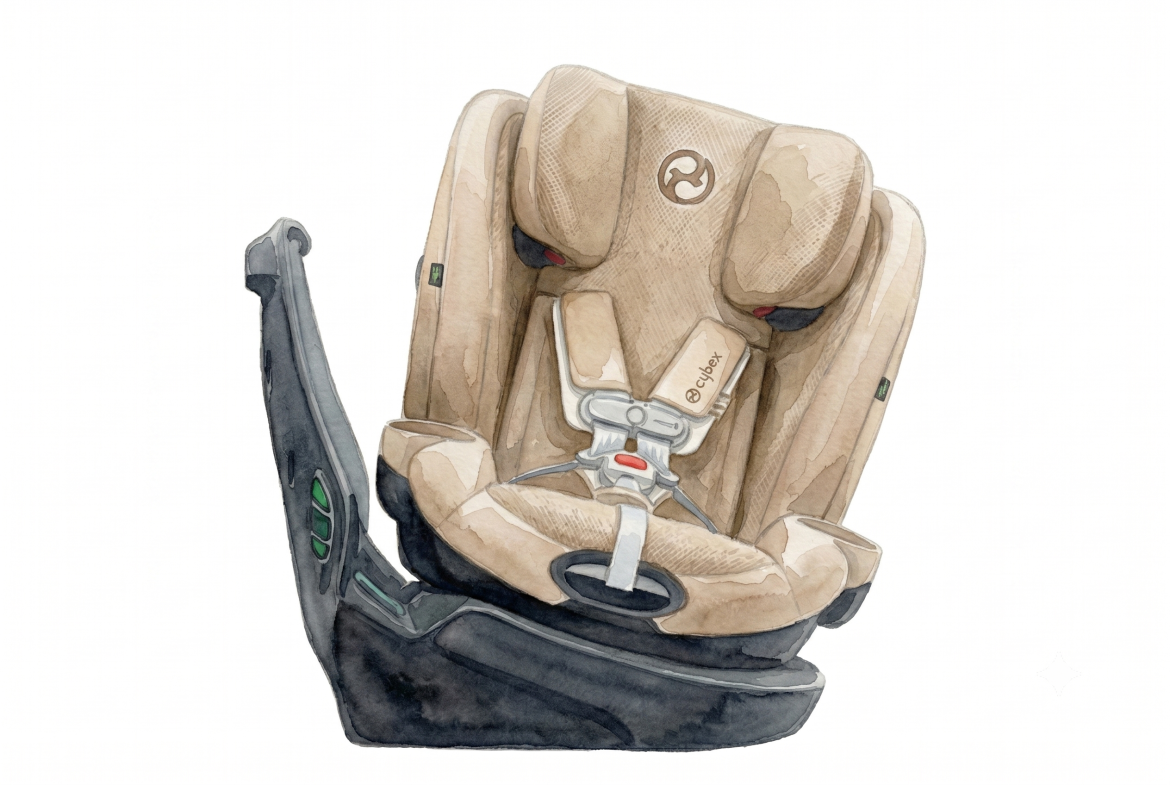
Cybex callisto g 360

CYBEX Callisto G 360 Review

The CYBEX Callisto G 360 is a pretty intense car seat. It rotates, first of all. Which means that if you don’t want to try and crawl over the backseat to get your kid in the car, you don’t need to–the seat rotates to you so you can easily get your child in there. I didn’t have one of these with my kids, but it must be really, really nice. The Callisto also has an app-connected chest clip and the app sends you alerts about things you might be too tired to notice. It has an anti-rebound base. It has a steel-reinforced frame. It has a canopy, which is a little strange in a convertible car seat but I’ll allow it–I can see how it helps. It has breathable mesh, magnetic buckle holders, dishwasher-safe cup holders, machine-washable covers, a 12-position headrest, and enough uniquely named features to make a new parent feel like they are buying a NASA-inspired spaceship for the backseat. You see, the CYBEX Callisto G 360 promises to solve as many problems as it can with one seat.

That’s a lot of features to take in, but also a lot of options to enjoy, too. And Cybex does what they do very well. But to be fair not all of the things parents are saying are glowing reviews, either. Parents have independently complained about the weight and bulkiness, and the crash-test ratings aren’t top in the field (but don’t panic, either, they certainly meet the USA’s very stringent requirements for safety–some parents only want the #1 top rated seat, some feel that the government requirements are more than enough, especially for a seat like this that exceeds the requirements).

Part of the problem with parents having collectively mixed feelings, though, is that the question that needs to be answered is “is this the right car seat FOR YOU?” So for some parents, this is NOT the right car seat, even if it does have a ton of features. For example, the Callisto G 360 is not made to bounce between Mom’s car and Dad’s car. If you want a car seat w/ two bases (one in each car), this isn’t the car seat you are looking for.

Straight Up, Should I Get a Callisto?

If you want a high-end rotating all-in-one car seat with strong convenience features, something you just have to buy once and use for your kids’ car seat era, and love the idea of a smooth swivel so you don’t have to struggle to get your kid in the car (oh, and SensorSafe alerts, breathable fabrics, and so on), then buy this. It’s ridiculously popular, most parents LOVE it, and it’s from a company that’s a player on the rise AND well established in the car seat world. Like Caleb Williams on the Bears right now–already a great QB that’s only getting better.

It makes less sense if you need a lightweight car seat, require a narrow three-car-seats-across-the-back-seat setup, something you can take on an airplane, or need to make sure you’re getting the best value for your money. It also deserves extra scrutiny because independent crash-test commentary available is a mixed review. CYBEX makes a strong safety claim, but BabyGearLab did not love its crash-test performance. Consumer Reports has also flagged concerns in its testing notes.
At 35 pounds and 19.5 inches wide, this seat is a massive piece of gear. It is absolutely not recommended for air travel—save yourself the misery and buy a lightweight travel seat instead.

That does not mean the seat is automatically unsafe. Car seats sold in the U.S. must meet federal standards. But parents shopping at this price should know when independent reviewers are not all singing from the same hymn book (if you know what I mean).

The Skinny on the Cybex Callisto G 360

The CYBEX Callisto G 360 is an all-in-one rotating car seat. It can be used rear-facing, forward-facing with the harness, and later as a belt-positioning booster. So you buy one seat before your baby is born and you’ll still be using it 7 years later–so that helps with the expensive price tag as you’re not going to need to buy additional seats later.

The Callisto G 360 is packed with premium comfort features that genuinely make a difference. It features a perforated shell and breathable mesh fabric—ideal for hot climates or kids who sweat easily. It also includes a removable UPF50+ sun canopy (rare for convertibles, though it must be removed for booster mode), dishwasher-safe cup holders, and magnetic buckle holders that keep the straps out of the way when you are trying to wrangle a child.

As an all-in-one seat, it is designed to progress from rear-facing to forward-facing to booster mode. It boasts a high harness and booster range, making it a strong contender for taller or fast-growing children. However, keep in mind that “forever” seats often get gross, damaged, or simply annoying by the time booster age rolls around. It is a great concept, but do not assume this is definitely the only seat you will ever buy.

CYBEX lists the full child weight range as 4 to 120 pounds, with a maximum child height of 57 inches. So whichever comes first means the end of the seat (height or weight). Harness mode covers 4 to 65 lbs. Booster mode goes up to 120 lbs. You will still need to follow the specific mode limits in the manual and who knows if something changes after I write this–so do double check.

Its bulk also makes it a poor choice for three-across seating; squeezing it between two other seats would likely render the swivel feature useless anyway. It is not ideal for families who need to swap seats between cars frequently, either. Because it sits high and forward, it can eat up front-passenger legroom and reduce a child’s visibility. You really should test-fit this seat in your actual vehicle before committing. Check your front seat space and make sure the rotation clears the door frame.

You Spin Me Right Round, Baby, Right Round

A rotating car seat turns toward the open door, allowing you to easily load your child, secure the harness, and spin them back into the driving position. This feature is a massive help for saving your back and avoiding wrestling matches with a squirmy toddler. The Callisto G 360 specifically rotates in any recline position, and reviewers from Parents and Safe in the Seat both highly rate its smooth, user-friendly swivel.

However, that convenience comes with practical trade-offs. The rotation mechanism inherently adds extra bulk, more moving parts, and a higher price tag. It also creates extra crevices for crumbs, dirt, and spills to collect over time. As one parent on Reddit pointed out, even the seat’s premium perforated fabric is essentially just another hiding spot for crushed snacks and vomit.

If you are planning to keep this seat for a decade, keep the cleanup reality in mind. Every corner of a premium car seat eventually meets a pouch of applesauce and more expensive seats get covered with a diaper blowout the same way more affordable ones do. And if you’re going to keep the seat for 10 years, you should keep that in mind, especially if you child is prone to car sickness.

The Install Is Easier Than Most

The Callisto G 360 uses CYBEX’s SafeLock system. CYBEX presents it as a faster, simpler installation and parents and reviewers often agree that the install is one of the better parts of the seat. One Reddit parent said they installed it the night it arrived and called it “crazy easy to install.” Parents’ testing also praised the install experience, and this is my experience with the seat, as well. Anything that makes installation less confusing is good.

Sensorsafe Is Useful, but It’s a Perk and Not a Requirement

SensorSafe is CYBEX’s smart chest clip system. It connects to a mobile app and can send alerts if your child unbuckles the chest clip while the car is moving, if the car gets too hot or cold, if the child has been seated too long, or if the child is still buckled after you leave the vehicle. It can also alert emergency contacts if no action is taken. It’s mostly a bluetooth thing, but there’s an element of data connection needed (obviously, if it’s going to alert others).

But as a backup layer, it has value. Especially for parents who worry about heat, unbuckling, or accidental child left-behind situations. If you are especially forgetful or worried, this would be great for you. Tired parents need systems and all.

Comparisons to Other Car Seats

When looking at these options, the main dividing line is rotation versus longevity. The Callisto, Revolve360, and Turn2Me are true all-in-one seats built to carry a child all the way through the booster stage. The Nuna REVV and Bugaboo Owl offer ultra-premium rotation but max out at just 40 pounds, meaning you are guaranteed to buy another seat later. The Knox and Foonf skip the swivel feature entirely to focus on heavy-duty safety hardware and a slimmer profile.

Brand & ModelRotates?Rear-Facing LimitForward-Facing LimitBooster LimitStandout Callout
CYBEX Callisto G 360Yes (360°)50 lbs / 48″65 lbs / 49″120 lbs / 57″SensorSafe tech & 3-stage longevity
Evenflo Revolve360Yes (360°)50 lbs / 48″65 lbs / 49″120 lbs / 57″One-time secure base installation
Graco Turn2MeYes (Rear-facing only)40 lbs / 49″65 lbs / 49″100 lbs / 57″Budget-friendly rotation option
Nuna REVVYes (360°)40 lbs / 43″40 lbs / 43″N/APremium build & integrated rebound bar
Bugaboo Owl by NunaYes (360°)40 lbs / 41″40 lbs / 41″N/AMerino wool & deep recline (i-Size/EU)
UPPAbaby KnoxNo45 lbs / 49″65 lbs / 49″N/AKoroyd impact tech & wool options
Clek FoonfNo50 lbs / 43″65 lbs / 49″N/AUltra-narrow (16.9″) for 3-across

A few functional differences dictate how these seats will actually live in your car. The Graco Turn2Me only rotates while in rear-facing mode, whereas the Callisto, REVV, and Revolve360 spin in both harness configurations. The Bugaboo Owl is an i-Size seat requiring a separate ISOFIX base, making it standard for European markets but less of a factor for us here in the US.

My advice? If you want a premium rotating seat that eliminates the need to buy a booster later, the Callisto or Revolve360 make the most sense. If you are squeezed for space, checking front-passenger legroom, or need to fit three across a single row, abandon the massive rotating category entirely and look at a narrow heavyweight like the Foonf.

CYBEX Callisto G 360: Safety and Independent Reviews

Safety Claims vs. Reality

CYBEX claims the Callisto G 360 is 37% safer for head and chest injuries thanks to its “SafetyAssure Protection System,” which includes a steel frame, side-impact protection, an anti-rebound base, and a tether. However, this marketing metric comes with a major catch: the seat is only 37% safer compared to itself without those specific features. It does not mean it outperforms competing car seats by 37%, nor does it mean it is 37% safer in every type of real-world crash.

Mixed Independent Testing Outside of the brand’s own marketing, independent crash testing paints a mixed picture. BabyGearLab reported that the Callisto G 360 actually had below-average crash-test results when compared to cheaper competitors. Consumer Reports also flagged concerns regarding the seat’s bulk, belt-routing limits, and structural integrity in specific test scenarios.

Daily Usability and Drawbacks

Despite the testing concerns, the seat excels in daily convenience. Reviewers like Safe in the Seat highly praise its everyday usability, highlighting the smooth swivel feature, easy installation, sun canopy, and excellent fit for taller children. Ultimately, though, reviewers universally agree on the seat’s practical downsides: it is exceptionally heavy, wide, and expensive. Because of its massive footprint, it is completely impractical for air travel and will likely not work if you are trying to fit three car seats across a single row in your vehicle.

Cybex Callisto G 360 FAQs

Is the CYBEX Callisto G 360 worth it?

Yes, if: You want a rotating, all-in-one seat with smart alerts, high-end fabrics, and a long lifespan. No, if: You need a seat that is narrow, lightweight, budget-friendly, or good for travel. The convenience must outweigh the high price and heavy bulk.

What ages is the CYBEX Callisto G 360 for?

It fits children from 4 to 120 lbs. (up to 57 inches tall). You must transition through rear-facing, forward-facing, and booster modes based on your child’s exact size.

Is the CYBEX Callisto G 360 an all-in-one car seat?

Yes. It transitions from a rear-facing infant seat, to a forward-facing harness seat, and finally to a belt-positioning booster.

Size & Limits

What are the rear-facing limits for the CYBEX Callisto G 360?

  • Weight: 4 to 40 lbs.
  • Height: Roughly 17 to 43.3 inches (Always ensure the head position meets the manual’s requirements).

What are the forward-facing limits?

  • Weight: 26.5 to 65 lbs.
  • Height: Roughly 33 to 49 inches (The child’s ears must stay below the top of the headrest).

What are the booster limits?

  • Weight: 40 to 120 lbs.
  • Height: Roughly 43.3 to 57 inches (The seat’s harness is tucked away, and you use the car’s seat belt).

Features & Tech

Does the CYBEX Callisto G 360 rotate 360 degrees?

Yes. It spins toward the open car door for easy loading. Note: It must be locked into a forward or rear-facing position before you drive.

Can the Callisto G 360 rotate while reclined?

Yes. It can rotate in any of its five recline positions.

Is a rotating car seat actually helpful?

Yes. It saves your back (so especially good for people with back pain), makes tight parking spaces manageable, and helps with squirmy kids. The trade-off is that the seat is heavier and much bulkier.

What is SensorSafe?

It is a smart chest clip connected to an app on your phone. It alerts you if:

  • The clip is unbuckled while driving.
  • The car gets too hot or too cold.
  • The child has been seated for too long.
  • A buckled child is left behind in the car.

Does SensorSafe replace checking the back seat?

No. It is an extra layer of backup security, not a substitute for your own attention.

Does the CYBEX Callisto G 360 alert you if a child is left in the car?

Yes. The SensorSafe app will send you a reminder. If you do not respond, it can share your location with your emergency contacts.

Safety & Installation

Is the CYBEX Callisto G 360 safe?

Yes. It absolutely passes all U.S. federal safety standards and features a steel-reinforced frame. However, independent crash testing (like BabyGearLab) has shown mixed results, so do your own research and make decisions based on your own feelings.

What does CYBEX mean by 37 percent safer?

This is an internal comparison. It means the seat performed 37% better in head and chest metrics compared to the exact same seat without CYBEX’s SafetyAssure features. It does not mean it is 37% safer than competitors’ seats.

Is the CYBEX Callisto G 360 easy to install?

Yes. It uses a SafeLock system with a built-in belt tensioner to make securing the seat much easier.

Can you install the Callisto G 360 with a seat belt?

Yes. CYBEX actually lists the vehicle seat belt as the preferred installation method.

Can you install it with lower anchors?

Yes, but with strict limits.

  • Rear-facing: Up to 30 lbs.
  • Forward-facing: Up to 35 lbs.
  • After these weights, you must switch to a seat belt installation.

Does the Callisto G 360 use a top tether?

Yes. It uses the SecureFix360 tether. Check the manual for exactly when and how to attach it based on your seat’s mode.

Fit & Everyday Use

How heavy is the CYBEX Callisto G 360?

35 lbs. It is incredibly heavy for a car seat and not meant to be moved frequently between cars.

How wide is the CYBEX Callisto G 360?

19.5 inches.

Is the CYBEX Callisto G 360 good for three-across?

No. It is too wide, and the 360-rotation feature requires empty space next to it to function.

Is the CYBEX Callisto G 360 good for small cars?

Probably not. It is tall, wide, and heavy. Test the fit behind your front passenger seat and check door clearance before buying.

Can newborns use the CYBEX Callisto G 360?

Yes. It fits babies starting at 4 pounds, provided you use the included infant insert exactly as instructed.

Does the Callisto G 360 have a canopy?

Yes. It includes a removable UPF50+ sun canopy (for harness modes only).

Why does a convertible car seat need a canopy?

It doesn’t need one, but it is a great bonus feature to keep the sun out of a rear-facing baby’s eyes.

Does the CYBEX Callisto G 360 stay cool?

It has a perforated shell and breathable mesh which helps with airflow, but it will not magically turn a hot car into a cool one.

Are the cup holders removable?

Yes. They are also dishwasher-safe.

Are the covers machine washable?

Yes. Always follow the manual’s specific care instructions to avoid damaging the fabrics or safety padding.

The Final Verdict

The CYBEX Callisto G 360 is a high-feature, high-price option for parents who specifically want a premium rotating seat, smart alerts, and long-term use—and who have the spacious vehicle required to accommodate it. It solves real everyday car seat problems with its smooth one-handed rotation, easy installation, and breathable fabrics.

If you are on a strict budget, however, or need a narrow seat for three-across setups, travel frequently, or are uncomfortable with its mixed independent crash-test scores, this isn’t the seat for you. Feature-heavy gear is wonderful, but make sure you actually need these specific upgrades—otherwise, you are just buying the baby-gear equivalent of a walk-in refrigerator with Wi-Fi when all you really needed was a mini-fridge in the basement.

0 comments
0 FacebookTwitterPinterestEmail

UPPAbaby Cruz V3 Review

The UPPAbaby Cruz V3 is the stroller you get when parents ask for the UPPAbaby feel without having to buy the family a new bus-sized stroller like the Vista (although if you do want a bus-sized, 2-person stroller, the Vista might be absolutely perfect for you). It’s the single-stroller version of the Vista, in a matter of speaking (the Vista itself can be a single stroller, though). So the single-stroller-only version might be a better way to say it. 

You get the smooth push, the big basket, the nice fabrics, the sturdy frame, the clean UPPAbaby ecosystem, and the ability to use a bassinet or infant car seat without turning your front hallway into a stroller dealership. 

The Cruz keeps things more reasonable. Mostly, at least.

The problem with baby gear is that “reasonable” strollers have a way of getting drunk and wandering into a workshop with leatherette handlebars. The Cruz V3 is still on the expensive end of strollers. It is still a full-size stroller. It still weighs 26.5 pounds with the seat attached. It still takes up a chunk of trunk space (that rhymes). It still costs enough that you might think twice about this one. 

So then the real question is not whether the UPPAbaby Cruz V3 is good. Of course it is good. You probably knew that before you started reading this. 

The real question is whether it solves your actual stroller needs, or whether it just looks like the kind of stroller a responsible, chic adult would buy.

So Is the Cruz a Great Stroller?

The UPPAbaby Cruz V3 is absolutely a strong choice for parents who want a premium single stroller with a smooth (read: luxury)  push, full-size comfort, a large basket, from-birth use, and direct compatibility with UPPAbaby infant car seats and the Bassinet V3. If that’s you, lock it in now. This is the stroller for you. It makes absolute sense if you mostly need one stroller for one child and your daily life includes walks, errands, city sidewalks, suburban sidewalks, retail stores, parks, and things of that nature.

It makes less sense if you need a stroller for stairs, constant car loading, frequent flights, tight apartment storage, or expect a future second child who will need a real second seat. The Cruz V3 can take the PiggyBack ride-along board for an older child (think a toddler who walks and runs just fine), but it does not become a true double stroller.

So it’s not a travel stroller. It’s not a double stroller. But it is a very good single stroller that is more expensive but feels more expensive, too, from a premium company that everyone loves. 

What the Uppababy Cruz V3 Actually Is

The UPPAbaby Cruz V3 is a full-size single stroller (so made for one child) with a reversible toddler seat, a lay-flat recline, an included Infant Insert, an integrated foot barrier for carriage mode, a HUGE 30 lb. storage basket, an adjustable handlebar, never-flat tires, the FlexRide Suspension, a UPF 50+ canopy, a magnetic buckle, and a no-rethread harness.

The seat is suitable from birth up to 50 lbs, with a maximum child height of 40 inches (so whichever comes first, the 40 inches or the 50 pounds). The stroller weighs 26.5 lbs. with the frame and seat together. The frame is 17 lbs. and the seat is 9.5 lbs. The folded size with the seat attached is 17 x 22.5 x 32.4 inches.

The good news is that the Cruz V3 is newborn-ready out of the box in a way the Cruz V2 was not. The included Infant Insert and lay-flat seat let a newborn ride in the stroller seat without forcing every parent to buy a bassinet. 

You can still add the Bassinet V3. A lot of parents actually like the bassinet for longer newborn walks. It gives your baby a genuinely flat, dedicated space, and it clicks directly onto the frame. The Cruz V3 also works directly with UPPAbaby Mesa and Aria infant car seats, no adapter needed. So there’s your travel system if you need one. 

The pieces here talk to each other. The stroller, car seat, bassinet, and accessories all click together cleanly. There is value in that when you are tired and trying to get from the pediatrician’s parking lot to the office while the baby is wearing one sock and making tiny goat noises.

What Changed With the Cruz V3

The Cruz V3’s biggest change is the from-birth seat.

That sounds boring until you realize how many newborn setups make parents buy another piece. With the Cruz V3, the seat reclines flat, the foot barrier creates a carriage-style setup, and the Infant Insert gives the baby support. You can still buy the bassinet, but you do not have to buy it just to make the stroller useful in the first weeks.

The V3 also has updated suspension, never-flat tires, a magnetic buckle, a no-rethread harness, a one-hand adjustable leg rest, and a more compact fold than the Cruz V2.

It also got heavier than the V2.

That matters. The Cruz was always the smaller, lighter UPPAbaby option compared with the Vista. The V3 still has a narrower footprint, but the weight gap between the Cruz V3 and Vista V3 is now smaller than many parents expect. The Cruz V3 is listed around 26.5 lbs. The Vista V3 is around 27 lbs. That is not a dramatic difference. That is half a pound, which is roughly the emotional weight of one forgotten snack cup.

The Cruz is still narrower and easier in tight spaces. It is still simpler because it is built for one seated child. But if somebody tells you the Cruz is the obvious choice because it is much lighter than the Vista, they may be thinking of older versions.

The V3 changed the math.

What the Cruz V3 Does Well

The Cruz V3 does the normal everyday stuff well. VERY well,

You live in the real world. You are not spending most days galloping from river stone to river stone in a beautiful stream while your child naps under a linen blanket and the deer come to relax on the bank. Dudde, you are going to Target. You are carrying a diaper bag, a return package, a half-empty water bottle, and some object your child found on the sidewalk.You have stains on your clothes, it’s hot, crowded, and you’re not built for this.

The Cruz V3 is built for that.

The smooth push is the main selling point when it comes to the Cruz. It feels smooth and sturdy. It steers nicely for a full-size stroller. It handles sidewalks, stores, and uneven pavement better than little compact strollers. The wheels are not jogging-stroller wheels, but they are large enough for normal city and suburban life.

The basket is the other big selling point. A 30-pound basket changes what a stroller is. You can put your real stuff under there. For me, it was so hard to give up having a stroller because it allowed me to carry everything I wanted into anywhere with no questions asked. I’d take my camera into places that didn’t really want cameras (concerts, for example). I’d take a 40-ounce water bottle. Never had anything in my pockets because it’d all be in the stroller basket. Some compact strollers technically have baskets, yes, but nothing like a 30-pound basket.

The reversible seat also helps. Parent-facing is useful in the early months. Forward-facing becomes useful once your child gets nosy (nebby, for you Yinzers).

The canopy is strong too. It has UPF 50+ coverage, a zip-out extension, a sun shield, and ventilation. The adjustable handlebar helps if parents or caregivers are at different heights. The fold is cleaner than a lot of full-size strollers, and the stroller stands when folded.

None of this sounds wild, but that’s the point. The Cruz V3 wins by being good at the usual things, not because it can sing your baby to sleep via AI songwriting. At the end of the day, it’s like an ideal partner–consistent, solid, and dependable. And big where it matters.

What Parents Seem to Love

Parents who like the Cruz usually talk about the same few things.

  • The smooth, luxury push.
  • The basket has a 30 pound capacity.
  • The smaller footprint compared with the Vista.
  • The UPPAbaby build quality.
  • The ability to use the bassinet or car seat without a bunch of extra adapters.

When compared to the Vista, the Cruz is a better fit for stores, cafes, and city life because it is narrower and less bulky. Also, you can add the bassinet if you want.

What Parents Complain About

The complaints are not mysterious.

  • Weight. 
  • Stairs. 
  • Car loading. 
  • Travel. 
  • Price.

These kinds of complaints are the same for a lot of full-sized strollers, though. Some parents say the Cruz is too heavy to carry in and out of the car by themselves, especially with a baby in the picture. Others say it is awkward in apartments or stairs. If you live up a flight of stairs, you might be forced to make separate trips–one for the stroller and one for the baby. 

The Cruz V3 takes up about two-thirds of a Tesla Model 3 trunk. That does not mean the Cruz is enormous, but it’s not small. 

You can travel with the Cruz. UPPAbaby literally sells a travel bag, and the TravelSafe program exists for air travel damage coverage when you use the right bag and register properly. But the Cruz is not the stroller I would pick if airports are a big part of your life. It is a full-size stroller. It folds, but it does not vanish. And you gotta deal with that bulk–not ideal for lots of trips. When it comes to UPPAbaby, a lot of parents eventually end up with two strollers: a Cruz or Vista for home, and a smaller travel stroller (UPPAbaby’s is the Minu) for trips or quick errands.

Cruz V3 vs Vista V3

The Cruz V3 is still narrower and more compact. The Vista V3 is wider, has bigger wheels, and can become a true double stroller with the RumbleSeat. The Cruz V3 can take the PiggyBack board for an older sibling, but it cannot take a second stroller seat.

The weight difference is small. 

If you are choosing Cruz because you want a single stroller and do not plan to use a second seat, get the Cruz. It is simpler to use. It is narrower. It is less stroller than the Vista but delivers the same push and basket size.

If you are choosing Cruz only because it is lighter, fold it and lift it before buying. Then fold and lift the Vista V3. The difference may not feel as meaningful as you thought it would.

If you already know you want two kids close in age and want both seated in the stroller, the Vista is the obvious UPPAbaby option. The Cruz cannot do two kids sitting. What about the PIggyback board though? Yeah, a three-year-old may use the PiggyBack board. But a three-year-old may walk. A three-year-old may demand to be carried. Who knows. But at three years apart or more, you can probably get away with a single full-size stroller instead of buying the Vista. 

Cruz V3 vs Minu V3

This is the comparison more parents should think through than the Cruz vs. the Vista, but somehow more people compare the Vista and Cruz than the Minu and Cruz.

The Cruz V3 is a full-size single stroller. The Minu V3 is the smaller, travel-friendly UPPAbaby stroller. Both can be used from birth. Both can take UPPAbaby infant car seats, although the Cruz takes Mesa and Aria directly and the Minu needs adapters. The Cruz can take the Bassinet V3. The Minu cannot.

The Cruz has the better basket, reversible seat, bigger wheels, and more full-size comfort. The Minu is much lighter and folds far smaller. The Minu is the one you want for quick car errands, tighter storage, and travel. It’s fast and nimble and if that’s what you use a stroller for, why buy so much more stroller that you won’t need?

This is where you need to be honest about your day.

If you walk a lot and use the stroller as a place to haul all of your gear, the Cruz is the better stroller for you. If you mostly drive, park, unfold, shop, refold, and load, the Minu may make your life much easier and is more affordable.

The Cruz feels better on the ground. The Minu feels better in your hands.

Cruz V3 vs Nuna MIXX next

The Nuna Mixx Next is one of the Cruz V3’s biggest competitors. Both sit in that premium full-size single stroller category.

The Mixx Next has a true flat recline, smooth maneuverability, and a fold many parents find easier than the Cruz. Nuna also has a strong car seat ecosystem that works with their stroller. Parents who love Nuna often love the fabrics, the cushioned feel, and the way the stroller handles.

The Cruz V3 does have a bigger basket and broader infant car seat compatibility. Parents pick the Cruz V3 over the Mixx Next in the full-size category largely because of car seat compatibility and storage capacity. But it’s also more comfortable for taller kids, or so I’m told (I’m way too old to test this myself). 

The simpler version is this: pick the Cruz if storage and UPPAbaby compatibility matter most. Check out the Mixx Next if fold and carry feel more important to you. They’re both great strollers.

The Newborn Setup Is the Best New Argument for the Cruz V3

The Cruz V3’s from-birth seat is the cleanest improvement over the Cruz V2.

Before, a lot of parents had to think harder about newborn use. Bassinet? Infant car seat? Infant insert? What fits? What do I need? What is safe for long walks? The lay-flat seat, Infant Insert, and integrated foot barrier all mean that the stroller works from birth without an extra bassinet purchase.

That does not mean you shouldn’t get the bassinet. If you take long walks with your child in the newborn stage, you may still prefer it. Some babies love the bassinet. Some parents love having a dedicated flat sleep-approved piece that can move from stroller to stand. But, yeah, there are other parents who buy it and barely use it because their baby has strong opinions and a bad attitude about lying anywhere except on a person..

The good news is that with the Cruz V3, the bassinet becomes more of a preference than a requirement. You can always buy it without the Bassinet and see if you like it as is before adding anything more to the mix.

The Accessory Trap

The Cruz V3 includes the stroller, toddler seat, Infant Insert, toddler seat bug shield, and toddler seat rain shield.

But now there’s more than you might need (or at least feel compelled) to buy: Cup holder. Snack tray. Travel bag. Bassinet. Bassinet stand. Parent organizer. PiggyBack board. Car seat adapters if you are not using an UPPAbaby car seat. Maybe a cozy cover? Maybe a basket cover. This is the situation where it’s more expensive than it seems.

That does not make the Cruz a bad buy. It just means you should price the full setup before falling in love with this or the Vista. If you want a stroller, bassinet, car seat, cup holder, snack tray, and travel bag, you are no longer shopping for a stroller. You’re shopping for an arsenal.  

Who Should Buy the Uppababy Cruz V3

  • Buy the Cruz V3 if you want one premium stroller for one child and expect to use it often.
  • Buy it if you walk around your neighborhood, go to parks, or malls, or zoos and amusement parks, and want a stroller that feels sturdy instead of flimsy.
  • Buy it if you like basket space (like I do).
  • Buy it if you like the UPPAbaby Mesa or Aria car seats and want direct attachment.
  • Buy it if you want a from-birth stroller seat without committing to a bassinet.
  • Buy it if you considered the Vista but realized you do not need a real double stroller.

The Cruz V3 is at its best with parents who know they want the full-size stroller experience but do not want the Vista’s extra width or double-stroller commitment.

Who Should Skip It the UPPAbaby Cruz V3

  • Skip the Cruz V3 if you live up stairs and need to carry your stroller every day. Unless you’re into bodybuilding.
  • Skip it if you have a small trunk and hate loading gear.
  • Skip it if you travel a lot and want a stroller that handles airports easily.
  • Skip it if you know you need (or will soon need) a true double stroller.
  • Skip it if the price makes you uncomfortable before you even add accessories. There are good choices at a lower price point, too.
  • Skip it if you mostly need something for short car-based errands. A smaller stroller works better here.

A stroller can be well made and still be wrong for your life. The Cruz V3 is not a failed stroller if you need something smaller. That just means you need something smaller.

What I Would Test Before Buying

I would not buy the Cruz V3 without doing the parking lot test: Fold it. Lift it. Put it in your trunk. Take it back out. Then unfold it. See if the fold feels natural to you. Some parents find it easy. Some find it awkward. Push it with one hand. Push it over a curb. Try the brake. Recline the seat. Adjust the harness. Move the handlebar. Check the basket access. If you plan to use the bassinet or car seat, attach those too.

Then ask yourself where you will keep this stroller.

  • Garage? Great.
  • Front hall? Maybe.
  • Apartment stairwell? Nope.

Is the Uppababy Cruz V3 Worth It?

The smooth push. The big basket. The from-birth seat. The direct car seat connection. The reversible toddler seat. The sturdy frame. The canopy. The clean UPPAbaby accessory system.

It is harder to justify if you mostly need a quick-fold car stroller or a travel stroller. You would be paying for comfort and storage you may not use constantly, while still dealing with the weight every time you load it.

The Cruz is smaller than the Vista, but it is not small. It is premium, but still a baby object that will someday have Veggie Straw crumbs in the cracks. It is beautifully built, but the 20 stairs leading to your apartment just do not care about your stroller’s resale value–so why do you? 

The Final Verdict: Cruz V3

The UPPAbaby Cruz V3 is probably the smartest UPPAbaby stroller for parents who want one child in a full-size stroller and do not need the Vista’s double setup. It gives you the UPPAbaby feel without the bigger frame. It has a great basket, a smooth push, a better newborn setup than the Cruz V2, direct compatibility with UPPAbaby infant car seats, and enough structure to feel like a real daily stroller. It’s solid as hell. 

The main mistake would be buying it because it looks like the responsible choice instead of matching it to your actual day. If your day is walking, parks, sidewalks, and one child, the Cruz V3 makes a lot of sense. If your day is stairs, tight trunks, lots of flights, and quick car stops for errands, the Cruz V3 may become the beautiful stroller you leave at home while the smaller one gets all the miles.

0 comments
0 FacebookTwitterPinterestEmail

The UPPAbaby Vista V3. Damn it’s expensive, so the question is: “is this stroller worth it?” The question is very easy, the answer not so much. The UPPAbaby Vista V3 is a premium, single-to-double convertible stroller designed specifically to grow with your family. It effortlessly adapts from a single stroller into a double or triple travel system. You can add a bassinet to use it from birth. If you want to buy one sweet-as-can-be stroller for the entirety of your parenthood, this is certainly a contender. You’ll find a ton of celebrities using this out on the streets of Los Angeles and NYC. You certainly won’t regret the stroller as long as you don’t mind the higher price.

But then you read some reviews on Reddit and you’ll discover that some parent is furious because the stroller takes up half the trunk, the second seat makes the whole thing feel like a rolling bunk bed, and the accessories cost enough to make you wonder if they were hand carved by retired Italian shipbuilders.

Both things can be true. The UPPAbaby Vista V3 is a very good stroller. It is also a large, expensive, and maybe slightly overconfident stroller system that makes the most sense for specific families and budgets.

Most importantly: The Vista V3 is worth considering if you walk a lot, want a full-size stroller that pushes smoothly, need a large storage basket, and have a realistic chance of using it with two kids close enough in age to ride at the same time. It could be siblings or even if your best friend has a child around the same time you do–but if you aren’t going to get two kids into this eventually, you’re much better off looking at the UPPAbaby Cruz and it’s competitors. It makes less sense if you live up stairs, fly often, drive a smaller car, have tight storage space, or mostly need something quick for daycare, errands, restaurants, and airports.

The Vista V3 is at its best on sidewalks, neighborhood walks, city errands, parks, and long days where the basket becomes a second trunk. It is at its worst when you have to lift it, pack it, gate-check it, or talk yourself into keeping it because you spent too much money to admit the little travel stroller is getting way more action.

Let’s Break Down the Vista

The UPPAbaby Vista V3 is a full-size convertible stroller. It starts as a single stroller and can be set up in more than 30 configurations with the right seats, car seats, bassinet, adapters, and ride-along board. Out of the box, the stroller-only version includes the frame, wheels, basket, toddler seat, seasonal seat liner, rain shield, bug shield, toddler seat storage bag, and warranty. The bassinet is no longer included with the stroller-only V3, which is one of the big changes from the Vista V2. You can still buy the Bassinet V3 separately, and some retailers sell bundles that include it, but check the exact package/product listing before assuming anything.

The toddler seat supports children up to 50 lbs. The storage basket supports up to 30 lbs. The stroller weighs around 27.6 lbs with the toddler seat attached. It folds in one step and stands when folded, but this is not a one-handed fold in the way travel stroller people mean “one-handed fold.”

The RumbleSeat V3, sold separately, attaches to the lower position and supports a child up to 40 lbs. A lot of parents buy the Vista thinking the older toddler will ride in the lower second seat later, then realize the lower seat is not the same as the included toddler seat. The main toddler seat is 50 lbs. The RumbleSeat V3 is 40 lbs.

What changed from the Vista V2

First, a lot of the V3 version is the same as the V2. It is about the same size and weight as the V2, for example. Same expandable concepts.

The upgrades are in the seat, wheels, suspension, harness, fabrics, and certification. The V3 has an All-Weather Comfort Seat with a removable seasonal liner. Take the liner out and the seat converts to mesh for warmer weather. It also has a magnetic buckle, no-rethread harness, updated suspension, lighter tires, reflective trim, and GREENGUARD Gold certification.

But the V3 also loses the included bassinet in the stroller-only version. If you find a Vista V2 deal that includes the bassinet and you know you want bassinet walks from birth, the V2 can still make sense.

What the Vista V3 does really well

Parents love pushing the Vista. It’s REALLY good at what it does, and it pushes like you spent a small fortune on the stroller. It better, to be honest. And it does. This thing glides like a rich person’s shopping cart. It feels expensive because in the ways you touch every day, it mostly acts expensive. The handlebar feels good. The wheels do not rattle. The frame feels steady. The basket is huge. The brake system is easy to understand. The seat reclines. The canopy gives real coverage. The whole thing has that UPPAbaby feel where you can tell someone thought through a lot of the small interactions.

This basket deserves its own weird little paragraph:

A 30-pound stroller basket sounds boring until you are a parent. Then it becomes everything. Diaper bag. Coats. Snacks. Groceries. An extra water bottle. Camera bag. The Vista can carry a lot. I overpack–I want sunscreen and an umbrella and I want to take my camera with 3 extra lenses. I need my coffee/Gatorade-filled water bottle. Chap stick. I LOVE a big basket and I think that should be one of the top ways you evaluate a stroller. You’re pushing this thing all day, you might as well enjoy the added carrying capacity. Think about Resident Evil, when you get Extra Baggage upgrades from the merchant. It’s like that.

The Newborn Setup

The Vista V3 can work from birth, but not the plain toddler seat by itself for a brand-new baby. For newborn use, parents are usually looking at the Bassinet V3, an UPPAbaby infant car seat, a compatible infant car seat with adapters, or the Infant SnugSeat accessory. Mostly, if you’re looking for a newborn here, you’re going to want the Bassinet V3–which is going to add to the cost because it doesn’t come with the Vista V3 (it used to come with the Vista V2).

Size Does Matter

Nobody should buy the Vista V3 without folding it and lifting it first. Fold it. Lift it. Put it in your actual trunk if you can. Imagine doing that after a C-section. Imagine doing it while the baby is crying. Imagine doing it in rain. Imagine doing it while your toddler is licking the side of the car parked next to you.

The Vista V3 pushes better than it carries. On the ground, it feels smooth and capable. Trying to lift it and manipulate it daily can add up. If you’re running 5 miles a day and hitting the gym before you have a baby, it’s not a problem. If you’re not in the best health or tend to be have difficulty lifting things, you’ll at least want to know what you’re getting into before you make a purchase.

That’s the important takeaway here–parents love it for neighborhood walks and hate it for travel. Some keep it in the garage and use a smaller stroller for quick trips.

The DOULBE STROLLER

The Vista V3 can be a double stroller. For twins, it makes a lot of sense. The frame can take two infant car seats, two bassinets, two seats, or mixed configurations with the right adapters. For babies close in age, it can also make sense, especially if you want an inline stroller instead of a side-by-side double.

But parents with a toddler and newborn need to look closely at the seating positions. The lower RumbleSeat has a 40 pound limit. The included toddler seat goes up to 50 pounds but only sits in the upper position. The Vista V3 is probably better as a planned double for close age gaps or twins than as a vague insurance policy for a possible second kid someday.

If your entire reason for buying the Vista is that you might have another baby in three years, slow down. The Cruz plus a ride-along board might fit your life better. A compact stroller now and a real double later might fit better. A side-by-side double might fit better when the time comes. It’s a big investment so you want to get this right.

Travel with the Vista V3

Can you travel with it? Yes. People travel with all kinds of bad ideas. That does not make the idea good. For airports, the Vista is big. The travel bag is another purchase. Packing it can mean removing parts. Gate-checking a large stroller while managing kids, bags, snacks, passports, and the vague smell of airport carpet at the Baltimore airport is not my idea of premium living.

The truth is that most parents who own the Vista end up owning a smaller travel stroller, too. Which, again, is going to be another cost. The Vista V3 handles daily walking life better than travel life. This should be sung from the heavens. It pushes beautifully, holds a ton, feels sturdy, works well for walks, and makes sense if you have room for it. Parents who regret it usually say some version of this: it is too big, too heavy, annoying in the car, expensive once you add everything, and less perfect as a double than they expected.

A parent in a suburb with room in the garage who enjoys daily neighborhood walks may think the Vista V3 is close to perfect. A parent in a walk-up apartment with a sedan and family flights twice a year may start to second guess the purchase.

Same Stroller. Different Experiences.

That is why I do not trust stroller reviews that speak as if all parents are moving through the same day. They are not. Some parents walk two miles every morning. Some parents drive everywhere. Some parents have mud, hills, snow, and a giant dog. Some parents need to fit through old city doorways. We’re all different so it’s not as much “is this the greatest stroller ever” as it is “is this the right stroller for my use case?” Remember that.

Vista V3 vs Cruz V3

The Cruz V3 is the smaller UPPAbaby full-size option. It does not convert into a true double with two seats like the Vista, but it can handle a ride-along board for an older child. If you expect one child for a while, long enough that your kid now will be 3+ by the time the next one arrives, the Cruz is the smarter choice.

The Vista V3 makes more sense if you want the option for two seated kids, need the bigger system, or know you will use the bassinet, car seat, RumbleSeat, and storage capacity endlessly.

Also, buying the Vista because it is only a little more expensive than the Cruz can still be a mistake. Price difference is not the whole cost. Size is a cost. Weight is a cost. Storage space is a cost. Every time you lift the thing into your trunk, the stroller charges interest.

Vista V3 vs a travel stroller

The UPPAbaby Minu, Bugaboo Butterfly, Joolz Aer, and similar compact strollers exist because full-size strollers become annoying in tight, fast-moving situations. They fold smaller and are easier to carry. Some fit in overhead bins on airplanes. They make more sense for airports and quick errands. But they also give up things the Vista does well–you get smaller wheels, smaller baskets, less full-size comfort in general, and less ability to become a family cargo mule.

A lot of parents eventually own both. That sounds excessive before you have kids, but it’ll make sense later.

Is the UPPAbaby Vista V3 worth the money?

It can be. Absolutely can be. If the stroller is the right fit for what you need. The Vista V3 is worth it if you will use the things that make it expensive:

  • The smooth push.
  • The big basket.
  • The newborn options.
  • The car seat connection.
  • The second seat.
  • The ride-along board.
  • The sturdy frame.
  • The everyday walking comfort.

The worst reason to buy the Vista V3 is fear. Fear that you will need a second seat someday. Fear that a cheaper stroller means you are failing at baby gear. Fear that every other parent knows something you do not.

They do not. They are also guessing. Some just have nicer cup holders. Before buying the Vista V3, I would test it in person. Fold it with the toddler seat attached. Lift it. Put it into your trunk. Take it back out. Do it again while holding a diaper bag. If you plan to use it as a double, ask the store to set it up as a double. Use the actual configuration you expect: newborn and toddler, twins, toddler and infant car seat, whatever your life may demand, test that.

Check where the newborn goes. Check where the bigger kid goes. Check leg room. Recline both seats. Open both canopies. Add the parent organizer if you care about one. Look at the space between the top seat and the handlebar. Think about your older kid’s weight.

Then ask yourself where this stroller will be stored. Your garage is good. Your foyer is possible. A tiny apartment hallway is pushing it. A third-floor walk-up is a bitch.

Who should buy the Vista V3

  • Buy it if you walk a lot and want a premium full-size stroller that can carry a child and a shocking amount of parent goodies.
  • Buy it if you live in a city or suburb where the stroller will spend most of its life rolling, not being lifted in and out of the trunk for quick errands.
  • Buy it if you are planning for two kids close in age and understand the real cost of the RumbleSeat, bassinet, adapters, and accessories.
  • Buy it if you want the UPPAbaby ecosystem and you like the direct attachment with UPPAbaby infant car seats.
  • Buy it if you have storage space.

Who should not buy the Vista V3

  • Skip it if you need light and compact above all else.
  • Skip it if you fly often and want one stroller for airports.
  • Skip it if you drive a small car and hate shoving stuff into the trunk.
  • Skip it if your home has stairs and no easy place to park a full-size stroller.
  • Skip it if your second-child plan is vague and years away. You can buy for the child in front of you. The imaginary second child does not need a $900 parking spot in your hallway.
  • Skip it if you already know you will buy a travel stroller anyway and most of your stroller use will be quick car errands.

UPPAbaby Vista V3 FAQ

Is the UPPAbaby Vista V3 worth it?

The UPPAbaby Vista V3 is worth it for parents who walk often, want a large storage basket, and may need a stroller that can turn into a double. It makes less sense for parents who need something lightweight, compact, or easy to travel with. The Vista V3 is built for daily use on the ground, not constant lifting in and out of a car.

Does the UPPAbaby Vista V3 come with the bassinet?

The stroller-only Vista V3 does not come with the bassinet. That is one of the biggest changes from the Vista V2, which was commonly sold with the bassinet included. Some retailers may sell Vista V3 bundles that include the bassinet.

Can the UPPAbaby Vista V3 be used from birth?

Yes, but you need the right setup. For a newborn, parents can use the Bassinet V3, a compatible infant car seat, or the Infant SnugSeat accessory. The included toddler seat is suitable from 3 months up to 50 lbs.

How much weight can the UPPAbaby Vista V3 hold?

The included toddler seat holds a child up to 50 lbs. The storage basket holds up to 30 lbs. The RumbleSeat V3, which is sold separately for double stroller use, holds a child up to 40 lbs.

Can the Vista V3 become a double stroller?

Yes. The Vista V3 can convert from a single stroller to a double stroller with the right accessories, including the RumbleSeat V3 and adapters. It can also carry a third child with the PiggyBack ride-along board. The Vista V3 setup works best for twins or kids close enough in age to ride together.

Is the Vista V3 good for two kids?

It can be, but test the double setup before buying. The lower RumbleSeat V3 has a 40-pound weight limit, while the included toddler seat has a 50-pound limit. Some parents love the inline double setup. Others find the seat positions awkward once one child is bigger.

Is the UPPAbaby Vista V3 good for travel?

The Vista V3 is not the stroller I would pick for frequent air travel.

What is the biggest downside of the Vista V3?

Size. The Vista V3 pushes smoothly, but it is still a large full-size stroller. It can take up a lot of trunk space, feel heavy when you don’t want it to feel heavy, and become seriously annoying in tight spaces. If you’re not city-living and have ample storage and places to push it, you should be fine. If you are in a city/walk-up/etc., you might want to consider a smaller stroller.

What is the biggest upside of the Vista V3?

The biggest upside is how useful it feels for daily walking life. The push is smooth, the basket is huge, the frame is sturdy, and the stroller can carry a lot of family gear. For parents who walk often, with two kids, this is for you.

What is the difference between the Vista V3 and Vista V2?

The Vista V3 has updates like an All-Weather Comfort Seat, magnetic harness buckle, improved suspension, lighter tires, and updated fabrics. The biggest obvious change is that the stroller-only Vista V3 does not include the bassinet, while the Vista V2 often did (you can buy the V3 bassinet separately). Parents comparing the two should look closely at the total package and price, not just the stroller version.

Should I buy the Vista V3 or the Cruz V3?

Buy the Vista V3 if you want the option to turn your stroller into a true double. Buy the Cruz V3 if you do not need two seats. A lot of parents talk themselves into the Vista because they might have another baby someday. If you plan on a new baby again in 1.5 years, yeah. If your next kid is more like 4 years away, hold off on a stroller built for two. Your 4-year-old will probably want to walk anyway.

Does the Vista V3 work with UPPAbaby car seats?

Yes. UPPAbaby infant car seats, including the Mesa and Aria lines, attach directly to the Vista V3 without adapters. Other infant car seats may work with adapters, but check compatibility before buying.

Is the Vista V3 too big for a small car?

It might be. The Vista V3 can fit in many trunks, but it takes up more room than compact strollers. If you drive a smaller car, test the fold in your actual trunk before buying. You’ll be pissed if you buy this and set it up and then you can’t take it anywhere.

What accessories do I probably need?

The answer depends on how you plan to use it. For a newborn, many parents look at the Bassinet V3, an infant car seat, or the Infant SnugSeat. For two kids, you may need the RumbleSeat V3 and adapters. Other common extras include the snack tray, cup holder, parent organizer, travel bag, and PiggyBack board. The accessories add up fast, so price the full setup before deciding the stroller fits your budget.

Who should skip the UPPAbaby Vista V3?

Skip it if you need a lightweight stroller, live in a walk-up apartment, fly often, drive a small car, or mostly need something for quick errands. The Vista V3 is a strong stroller, but it is a lot of stroller. Some families need that. And furthermore, this stroller is expensive. Like you could get another stroller and have $ left over for an overnight in a hotel somewhere. If the money and space doesn’t limit you, however, you’ll absolutely love the walks with this stroller.

The Vista V3

The UPPAbaby Vista V3 is a great stroller for the right family and an expensive nuisance for the wrong one.

It pushes beautifully. It stores a ton. It looks good. It has real upgrades from the V2. The seat and harness changes are useful. The basket is excellent. The whole thing feels solid in a way cheaper strollers often do not. If you live in a place where you have the space to store this and the money to get it, you’re going to FIND reasons to go for walks and fight with your spouse about who gets to push the stroller. It’s that good.

But it is big. The bassinet is not included with the stroller-only V3. The double setup has limits. The RumbleSeat is 40 lbs. It costs a lot of money and gets more expensive as you need to buy more accessories and upgrades.

If your day includes long walks, crappy sidewalks, big storage needs when you’re out, and comes with a real chance of two little kids riding at the same time, the Vista V3 deserves its reputation. But if you aren’t here, then hold off on buying this. And that is how a lot of baby gear gets you. It shows you the family you might become, then charges you for it.

0 comments
0 FacebookTwitterPinterestEmail
NRFT Blog Post -concussions 3

Understanding Pediatric Head Injuries

You’ve been there and so have we. Head injuries–whether you had to show off for your friends or if you just happened to try to do a backflip on your futon and hit your head on the wooden armrest. These things happen. But back in the 1990s and 2000s, we didn’t really talk so much about serious traumatic brain injuries (TBIs). These are injuries that can occur due to falls, bike accidents, car crashes, sports injuries, or even (this sucks about life on Earth) child abuse. There’s a surprisingly good chance that at some point one of your kids is going to follow in our footsteps and end up with some injury of some sort. So as a dad, it’s so important to recognize the signs and symptoms of the different types of head injuries and know when to seek medical attention.

Dude–we’re not doctors here at NRFT, so while this advice is based on first aid certification classes and triple-confirmed with recommendations from hospitals and relevant organizations offering information about head trauma on the Internet, it’s not medical advice from a healthcare professional. You get that, right? It’s just for your knowledge. Medically speaking, if you even remotely think there’s a chance that a serious head injury has occurred, you need to contact a doctor’s office or visit an emergency room right away.

CRT6 Concussion Recognition Tool

Download this checklist for concussions. Print it. Share it with your school and the coaches of your kids’ sport teams. This is actually what you’re looking for in its most perfect form:

https://bjsm.bmj.com/content/bjsports/57/11/692.full.pdf

Types of Head Injuries (Not Just Concussions)

So you’re thinking that your kid has a concussion. But there’s more than just concussions out there, you know. So check this out, dads–here are the different types of common head injuries that you should be aware of:

  1. Lacerations: Yes, those delightful cuts on the scalp that bleed like a faucet thanks to the human scalp’s copious blood supply. It looks like a scene from Friday the 13th, but fear not! Most of these are more bark than bite. Clean ’em up, slap on a bandage, and keep an eye out for any signs of infection. You know, the usual parenting stuff. You got this.
  2. Contusions: Ah, contusions, or as we commoners call them, bruises. These are the scalp’s way of saying, “Hey, I got hit pretty hard!” and sometimes they swell up into those lovely “goose eggs.” Keep an eye on these too, just in case they’re hiding a deeper, darker secret . . . but generally you’re an ice pack and 48 hours away from this resolving on its own.
  3. Concussions: A concussion is a type of brain injury that affects brain function. It can result from a blow, bump, or jolt to the head, causing symptoms like headaches, dizziness, confusion, and in some cases, loss of consciousness. As a dad, it’s important to monitor for delayed symptoms that might appear hours or even days after the injury.
  4. Hematomas/Hemorrhages: These involve bleeding around or inside the brain and can be life-threatening. Hematomas are particularly dangerous because they can increase intracranial pressure, leading to severe complications if not treated promptly. This is serious shit stuff.
  5. Skull Fractures: These are breaks in the skull bone, which may or may not be accompanied by brain injury. A skull fracture increases the risk of a brain injury and requires immediate medical evaluation to assess the extent of the damage.

Symptoms of Head Injuries

The symptoms of head injuries vary depending on their severity:

  • Mild Head Injuries: Typically cause pain, swelling, bruising, or minor bleeding. Children might cry from the shock and pain, but these symptoms usually resolve with basic first aid.
  • Moderate to Severe Head Injuries: These can cause more alarming symptoms, such as loss of consciousness, confusion, severe headache, repeated vomiting, dizziness, balance issues, slurred speech, weakness in limbs, or seizures. These symptoms indicate a need for immediate medical attention.

Suggestions On What to Do After a Head Injury

  1. Initial Steps:
    • Minor Injuries: Clean any cuts with soap and water, apply a cold compress to reduce swelling, and monitor your kid closely for any changes in behavior or symptoms.
    • Serious Injuries: Call 911 immediately if your child loses consciousness, has a seizure, shows signs of confusion, has difficulty waking up, or exhibits any other severe symptoms. Throwing up is a sign of a serious injury.
  2. Observation: It’s crucial to observe your child closely for the first 24-48 hours following a head injury. Look for any signs of worsening symptoms or new developments that could indicate a more serious condition.
  3. Medical Attention: Seek medical attention if your child exhibits any severe symptoms. If your kid is throwing up (especially more than once), slurring speech, or acting funny, it’s time to go to the hospital. If he or she thinks they’re on the way to Disneyworld, it’s time for the hospital. And if he or she doesn’t remember anything about what just happened, (you guessed it!) it’s time for the hospital. If in doubt, it’s always better to err on the side of caution and consult a healthcare professional right away.

Concussion Management

A concussion is a type of mild TBI that disrupts normal brain function temporarily. Proper management is essential for recovery:

  • Physical and Mental Rest: Encourage your child to rest both physically and mentally. Avoid strenuous activities and intense mental tasks like schoolwork or even smartphone games for the first 24-48 hours. It’s time to take a break here, dads.
  • Gradual Return to Activities: After the initial rest period, gradually reintroduce physical and cognitive activities as symptoms improve. You’re going to need to get the help of a doctor to create a plan to ensure a safe return to normal activities, including sports.
  • Monitoring: Keep a close eye on symptoms. If your child shows signs of worsening or new symptoms during the recovery process, seek medical advice immediately. And check in on them constantly–don’t just have them head up to bed and check on them the next morning.

Preventing Head Injuries

Prevention is key to reducing the risk of head injuries in children:

  1. Home Safety: Childproof your home by installing safety gates, window guards, and anchoring heavy furniture. Ensure that play areas are free of hazards as best you can. Especially consider if there’s a fireplace or other counters that kids can fall and hit their head on. Watch kids playing on the bed or near windows.
  2. Car Safety: Always use the appropriate car seat, booster seat, or seatbelt for your child’s age and size. Ensure that car seats are correctly installed. A car accident is one of the fastest ways to head injuries and a properly installed car seat that’s designed for your child’s size is the best you can do to prevent that.
  3. Sports Safety: Equip children with proper safety gear, such as helmets for biking, skating, and contact sports. Teach them to follow the rules and play safely. They’re going to fight you like CRAZY over having to wear a helmet when they go biking. You’ll regret allowing them to skip it if they get into an accident. If anything, try to get the other parents to join you on the helmet thing–so that way all the kids are wearing them together.
  4. Supervision and Education: Educate your kids about the importance of safety in various activities. It sounds stupid but you gotta do it–you’re a dad now. Supervise younger children closely, especially during potentially risky activities like running around a swimming pool, climbing walls, inflatable play equipment, and so on.

FAQ – Head Traumas with Children

Remember that part about us not being officially doctors? That’s still true no matter how long it took you to read down this far. So remember, this is our suggestion–but not medical advice. Contact a doctor or go to the ER if you have any indication that there is a serous head injury happening right now.

  1. Q: Should I wake my child frequently after a head injury?
    • A: First, you need to evaluate them for a significant head injury (read below). If they seem to have no significant injury, it’s been debunked that kids will slip into a coma if they sleep (but note sleepiness is a sign of concussion). At this point, you can feel better about your decision to let your child rest and sleep as needed. However, monitor him or her closely for any concerning symptoms and check in periodically. And if you think he or she should be evaluated–take them to get checked.
  2. Q: When should I call the doctor after a head injury?
    • A: Contact your doctor if your child has immediately bad symptoms or symptoms that aren’t improving, such as persistent headaches, confusion, throwing up, seizures, extreme tiredness, or if they are not back to normal activities within a five-day window. If you aren’t sure, call.
  3. Q: What are the signs of a concussion?
    • A: Common signs include headaches, dizziness, confusion, balance problems, nausea, vomiting, sensitivity to light or noise, and changes in behavior or mood.
  4. Q: How can I prevent head injuries in my child?
    • A: Use proper safety equipment, childproof your home, and ensure children follow safety rules in sports and recreational activities. Always use car seats and seatbelts.
  5. Q: What should I do if my child loses consciousness after a head injury?
    • A: Call 911 immediately and seek emergency medical care. Keep the child still and monitor their breathing and responsiveness until help arrives.
  6. Q: Can my child go back to school after a concussion?
    • A: Most children can return to school within a few days, but it’s important to communicate with teachers about any necessary accommodations for cognitive rest and gradual reintegration. A doctor can help you design a specific plan for your child.
  7. Q: How long do concussion symptoms last?
    • A: Symptoms usually improve within a few days to weeks, but some children may experience symptoms for longer. Consult a healthcare provider if symptoms persist more than a few days.
  8. Q: Is it safe for my child to play sports after a concussion?
    • A: Only after being cleared by a healthcare provider and following a gradual return-to-play protocol. Even if you are following the timeline, ensure the child is symptom-free before resuming full physical activities.
  9. Q: What should I do if my child’s symptoms worsen at home?
    • A: Seek immediate medical attention if symptoms like severe headache, repeated vomiting, confusion, or difficulty waking up occur. These could indicate a more serious injury.
  10. Q: Can a minor head injury cause long-term problems?
    • A: Most minor head injuries do not cause long-term issues, but it’s important to monitor and consult with a healthcare provider if you have any concerns about your child’s recovery.

A Dad’s Guidelines for Different Types of Head Injuries


Minor Head Injuries

For minor head injuries, the primary symptoms are pain and swelling. These injuries typically don’t involve loss of consciousness or confusion. Here are steps to manage minor head injuries at home:

  • Initial Care: Clean any cuts or abrasions with soap and water. Apply a cold compress or ice pack wrapped in a cloth to the swollen area for 20-minute intervals. This helps to reduce swelling and provides some pain relief. Make sure not to apply the ice directly to the skin to avoid frostbite.
  • Observation: For the first 24 hours following the injury, it’s crucial to keep a close eye on your child. Ensure they are responsive and behaving normally. Look for signs of worsening symptoms, such as increased drowsiness, prolonged crying, or any unusual behavior. It’s also helpful to keep a record of their symptoms and any changes, which can be useful if you need to consult a healthcare provider.
  • Pain Management: If your child complains of pain, you can give them an appropriate dose of acetaminophen (Tylenol). Avoid giving aspirin or ibuprofen in the first 24 hours as these can increase the risk of bleeding. Follow the dosing instructions carefully and consider consulting your child’s doctor for advice on pain management.
  • Rest: Allow your child to rest and avoid strenuous activities for the day. If it’s naptime or bedtime, let them sleep but check on them periodically throughout the night. Gently wake them after a couple of hours to ensure they are easily aroused and responsive. Continue to monitor for any delayed symptoms, which might indicate a more serious injury.
  • Hydration and Nutrition: Keep your child hydrated with clear fluids and offer small, light meals. In case of nausea, it’s best to stick to a bland diet until they feel better. Avoid heavy, greasy foods that could upset their stomach.
  • Emotional Support: Provide reassurance and comfort. Head injuries can be scary for children, so it’s important to stay calm and provide plenty of cuddles and comforting words.

Severe Head Injuries

Severe head injuries are medical emergencies and require immediate attention. Symptoms to watch for include:

  • Loss of Consciousness: If your child loses consciousness, even briefly, call 911 immediately. Ensure they remain still and try to avoid moving them unnecessarily to prevent potential spinal injuries. Provide support and monitor their breathing until help arrives.
  • Seizures: If your child has a seizure following a head injury, this warrants urgent medical evaluation. Protect them from injury during the seizure by gently placing them on their side and cushioning their head. Do not put anything in their mouth, and call 911 as soon as possible.
  • Severe Headache: A severe or worsening headache, especially if it doesn’t improve with over-the-counter pain medication, is a red flag. Persistent headaches after a head injury should be assessed by a healthcare provider promptly. This could indicate increased intracranial pressure or bleeding.
  • Confusion or Behavior Changes: Changes in behavior, such as confusion, agitation, excessive drowsiness, or difficulty recognizing people or places, are significant concerns. These symptoms suggest a potential brain injury that needs immediate medical evaluation. Keep your child calm and still while you seek medical help.
  • Physical Symptoms: Weakness or numbness in limbs, difficulty walking, slurred speech, or persistent vomiting are all signs of serious injury. If your child exhibits any of these symptoms, call 911 or go to the nearest emergency room. These could indicate damage to the brain or spinal cord that requires immediate intervention.
  • Monitoring and Documentation: While waiting for medical help, try to keep your child as calm and comfortable as possible. Note the time of the injury, any changes in symptoms, and any other relevant details to provide to the medical team. This information can be crucial in diagnosing and treating the injury effectively.
  • Long-term Care: After the immediate emergency is addressed, follow up with specialists such as neurologists or pediatricians for ongoing care and rehabilitation. Severe head injuries can have long-term effects that need comprehensive management, including physical therapy, cognitive therapy, and emotional support.
  • Parental Intuition: Trust your instincts. You know your child best. If something feels off or if you’re uncertain about the severity of the injury, err on the side of caution and seek medical advice. It’s better to have a professional evaluation and be assured than to miss a potentially serious condition.

Supporting Recovery

  • Physical and Brain Rest: For both minor and severe head injuries, ensuring your child gets adequate rest is paramount. Physical rest means avoiding strenuous activities, while brain rest involves limiting cognitive tasks such as reading, screen time, and schoolwork. Gradually reintroduce activities as symptoms improve, under the guidance of healthcare professionals.
  • School and Activity Adjustments: Communicate with your child’s school about the head injury so they can provide appropriate accommodations. This might include reduced homework, extended deadlines, and breaks throughout the day. For athletes, a gradual return to play plan should be followed to prevent re-injury and ensure full recovery.
  • Emotional and Psychological Support: Children recovering from head injuries may experience emotional and psychological challenges, including anxiety and depression. Provide a supportive and understanding environment. Professional counseling or therapy might be beneficial in helping them cope with the aftermath of the injury.
  • Follow-up Care: Regular follow-up appointments with healthcare providers are crucial to monitor recovery and address any persistent or new symptoms. Early intervention can help prevent long-term complications and support optimal recovery.

Concussion and Its Implications

Concussions, as a form of mild TBI, require specific attention. Recovery from a concussion involves a period of physical and cognitive rest, followed by a gradual return to normal activities. Key points in managing concussions include:

  • Rest: Both physical and cognitive rest are crucial. This means no sports, reduced screen time, and avoiding activities that require intense mental concentration. It’s vacation time for your kid.
  • Gradual Return: Activities should be reintroduced gradually, starting with light activities and slowly increasing the intensity. Any return of symptoms means stepping back and giving more time for recovery.
  • Medical Clearance: Always get medical clearance before allowing you kid to return to sports or any high-risk activities.

Long-term Outlook for Different Types of Head Injuries

  • Lacerations and Contusions: Lacerations and contusions generally have a positive long-term outlook, especially when promptly and properly treated. Lacerations, which are cuts on the scalp, typically heal without significant complications if they are cleaned and monitored for signs of infection. Scalp contusions, or bruises, often resolve on their own, with swelling and discoloration gradually diminishing over time. However, children who experience multiple scalp injuries may develop sensitivity in the affected area. It is important to keep an eye on the healing process to ensure that there are no lasting issues or infections that could cause further complications. Proper wound care and follow-up with a healthcare provider ensure that these injuries do not leave permanent marks or lead to more serious conditions.
  • Skull Fractures: The long-term outlook for skull fractures depends largely on the severity of the fracture and whether there is any associated brain injury. Most skull fractures, especially those that do not involve brain injury, heal well with time and appropriate medical care, such as rest and pain management. However, severe skull fractures that involve complications like bleeding or infection can have a more guarded prognosis. In some cases, there may be residual effects, such as chronic headaches or neurological deficits. Regular monitoring and follow-up imaging may be required to ensure proper healing and to address any emerging issues promptly. Advances in medical treatments and surgical techniques have significantly improved outcomes for severe skull fractures, but the risk of long-term complications necessitates careful management.
  • Concussions: Concussions, classified as mild traumatic brain injuries (TBIs), can have a variable long-term outlook depending on the individual and the severity of the injury. Many children recover completely from a concussion within a few weeks, especially with appropriate rest and gradual return to activities. However, some children may experience persistent symptoms, such as headaches, dizziness, and cognitive difficulties, a condition known as post-concussion syndrome. Repeated concussions can increase the risk of long-term cognitive and emotional issues, including memory problems and mood disorders. Ensuring a full recovery before returning to high-risk activities and following medical advice on managing symptoms are crucial for minimizing long-term effects.
  • Hematomas and Hemorrhages: The prognosis for hematomas and hemorrhages varies significantly based on the type and severity of the bleeding. Acute subdural hematomas, which involve rapid bleeding, can be life-threatening and often require emergency surgical intervention. The long-term outlook for these cases depends on the promptness of treatment and the extent of brain damage. Chronic subdural hematomas, which bleed more slowly, may have a better prognosis if diagnosed and treated early. Even after successful treatment, patients may experience lingering symptoms such as headaches, cognitive changes, or motor deficits. Continuous follow-up care and rehabilitation can help improve the long-term outcomes, but some individuals may experience permanent impairments.
  • Traumatic Brain Injuries (TBIs): The long-term outlook for traumatic brain injuries, including moderate to severe TBIs, is highly individualized and depends on factors such as the location and extent of the injury, the age of the child, and the quality of medical care received. Moderate TBIs can result in lasting cognitive, physical, and emotional challenges, requiring extensive rehabilitation and support. Severe TBIs often lead to significant long-term impairments, including motor deficits, communication difficulties, and behavioral changes. Early intervention and comprehensive rehabilitation programs can enhance recovery and help children regain as much function as possible. Ongoing support from healthcare providers, therapists, and educators is essential to address the diverse needs of children recovering from TBIs and to optimize their quality of life.

Communication and Support

Support from parents, coaches, and teachers is crucial for a child recovering from a head injury. Effective communication ensures that everyone involved in the child’s life is aware of their needs and any necessary accommodations. This can include:

  • School Accommodations: Inform teachers about the injury and request necessary accommodations, such as extra time for assignments or a reduced workload.
  • Monitoring and Reporting: Regularly check in with the child about their symptoms and report any concerns to healthcare providers promptly.
  • Emotional Support: Children may feel frustrated or anxious about their recovery. Providing reassurance and understanding can help them cope better.

Understanding and properly managing pediatric head injuries is essential to ensuring the best possible outcomes for children. While many head injuries are minor and resolve with simple care, others require immediate medical attention and careful management. By recognizing the signs and symptoms of different types of head injuries, knowing what steps to take after an injury, and implementing preventive measures, parents can help protect their children from the potential long-term effects of head trauma. Always trust your instincts and seek medical advice if you have any concerns about your child’s health.

0 comments
0 FacebookTwitterPinterestEmail
NRFT Blog Post - Fatherhood 8

The Littlest Things

by NRFT

Did anyone ever mention how important the littlest things are? The way my 3-year-old would dance along to Captain Huggy’s dance on Word Girl. The way my son at two years of age would sing along to the Three Amigo’s My Little Buttercup. The curls in the hair. The scent of Johnson’s baby wash on baby skin. Teaberry ice cream. The way we’d make treasure hunts using riddles scribbled in hasty iambic pentameter. Little phrases we had around the house, like the way my oldest would ask to play with “boys and dirls at the park” when she was 4. Now that she’s older, it’s watching us Psych together, or me watching my 6-year-old son play the Smashing Pumpkins’ 1979 on guitar and sing along when he thinks no one is watching. Every age comes with some unforgettable little things, and when my kids are grown up or if they leave this planet before me, it’s these little things that I’ll think endlessly about with such fondness. I’ll cry. I know it.

It’s not the trips to Disney, not the graduation ceremony at the school, not the birthday party with 20 kids running around the house. Those are big, unimportant things. It’s the way my 8-year-old son pats my shoulder as he falls asleep if he knows I’ve had a long day.

There are no little things in big moments. If you want to experience the little things, you have to be there for the little moments.

0 comments
0 FacebookTwitterPinterestEmail

So, your little one has arrived, and life has taken on a whole new rhythm. Your partner just went through major surgery to bring your baby into the world, and now you’re both in the thick of parenthood. Amidst the diaper changes, sleepless nights, and constant feedings, there’s one big ass question lurking in the back of your mind: So when are we having sex?

Um . . . here’s the thing: sex after a C-section isn’t just about waiting for the doctor’s okay. It’s your girl, man. She’s gotta be on board. And here’s what they don’t tell you–you will know and agree that sex needs to be off of the menu for a while after all of this. You will likely be there for when they slice open her stomach, pull out the insides, remove the baby, stuff everything back in, and sew her up. You’ll watch her endlessly exhausted from breastfeeding and adjusting to a new, sleepless life. And you’ll 100% agree that you get it. This is going to wait.

But . . . by week 4, maybe, (maybe sooner?) you’re going to want to get laid and forget about all of that stuff you agreed to and your brain won’t even let you consider how hard shit was for her when it comes to how bad you need to get some. It’s going to happen that way, so . . . what can you do? Well, it’s like Bill and Ted’s Excellent Adventure–remind yourself again to wind your watch here. And then again when you forget next time, too. Your girl went through a lot and your “special purpose” isn’t at the top of the list and you had said that was okay and you’d be amazing throughout all of it.

So . . . don’t forget to wind your watch?

OK, let’s just watch the clip now that you are thinking about it and we’ll get back to our regularly scheduled post after.

Now let’s dive into what you need to know, from the facts and physical changes to the emotional landscape you both might be navigating.

What It Feels Like for Your Partner After a C-Section

Alright dads, let’s cut to the chase. Your partner just went through a C-section to bring your baby into the world, and you’re trying to wrap your head around what she’s experiencing. It’s not just a simple surgery; it’s a major procedure with a significant recovery process. Here’s a breakdown of what it feels like for her and what you can do to support her through this time.

The Procedure: What Happens During a C-Section

A C-section involves your partner being awake (usually) but numbed from the chest down with a spinal block or epidural. She’ll be on an operating table with her arms outstretched, likely feeling a mix of anxiety and anticipation. The doctors will create an incision in her lower abdomen and uterus to deliver the baby. She might feel pressure and tugging, but no pain. Within minutes, your baby will be born, and after a quick clean-up, you might get to hold your little one while the doctors finish up with your partner.

The Immediate Aftermath: Post-Surgery Sensations

As the anesthesia wears off, she’ll start to feel the impact of the surgery. The first time she stands up, it might feel like her insides are falling out. She’ll likely experience postpartum bleeding (lochia), similar to a vaginal birth, and her incision site will be incredibly tender. Movement is tough at first, and even small actions like sitting up or rolling over can be painful.

The First Few Days: Pain Management and Mobility

Pain management is crucial. Nurses will provide pain meds, but she needs to stay on top of it. Even if she thinks she’s fine, skipping doses can lead to a sudden rush of intense pain. Walking around as soon as possible, even though it’s tough, is essential for a quicker recovery. Encouraging her to take slow, steady steps can make a significant difference in her healing process.

Physical Challenges: What She Feels

  1. Incision Pain: The incision will be sore, making movements like getting out of bed or bending over challenging. A belly band can provide support and stability.
  2. Internal Discomfort: Some women report feeling like their insides are jumbled. This sensation can be disconcerting but usually improves with time. Are you still with me, dads? OK, let’s keep going . . .
  3. Postpartum Bleeding: This can last for several weeks, with varying intensity. Sometimes, standing up too quickly can make it feel like a sudden gush.
  4. Breastfeeding Complications: If she’s breastfeeding, she might deal with sore, engorged breasts, which can add to her overall discomfort.

Emotional and Psychological Impact

The emotional toll of a C-section shouldn’t be underestimated. Your partner might feel a mix of relief, joy, and sadness. She might struggle with feelings of inadequacy or disappointment if the C-section was unplanned. If she’s unconscious for the procedure, she’ll likely regret “not being there” to hold the baby after it was born. Postpartum depression or anxiety can also come into play, and it’s vital to be vigilant and supportive.

Practical Tips for Supporting Your Girl

  1. Be There: Your presence is crucial. Help with baby care, household chores, and provide emotional support. Just being there can make a big difference.
  2. Encourage Rest: Ensure she rests as much as possible. Taking on night feedings and diaper changes can give her the break she needs.
  3. Manage Pain: Remind her to take her pain meds on time and help her with movements that might strain her incision.
  4. Provide Comfort: Small gestures like getting her favorite snacks, ensuring she has a comfortable spot to rest, and keeping her hydrated can make a big difference.
  5. Emotional Support: Listen to her concerns and reassure her that it’s okay to feel overwhelmed. Encourage her to talk about her feelings.

When to Start Banging Again

First things first, you have to wait for that green light from the doc. They usually say six weeks, but don’t even think about rushing it. Your lady’s been through major surgery, bro. You’re not just waiting for her body to heal, but also for her to feel ready emotionally. Patience is the name of the game here. Maybe eight weeks. Maybe ten. You’ll survive.

Starting Slow: Rebuilding Intimacy

Before you dive right back into the deep end, you gotta take it slow. Think of this like pre-game warm-ups:

  1. Non-Sexual Touch: Hold hands, cuddle, give her a gentle massage. Let her know you’re there for her without any pressure. Don’t even think about mentioning sex at this stage.
  2. Communication: Talk about your feelings, desires, and any concerns. Open up, be real with each other. It’ll make things a lot smoother. If she’s not ready, and she says that, don’t get this big look of disappointment. You’d be such a baby about this if you went through the surgery, so give her some understanding.
  3. Foreplay: Spend time on the little things that make her feel good. Kissing, touching, oral sex – these are your best friends right now. And who doesn’t love oral sex? Go get it!

The Importance of Lubrication

Now, let’s talk about lube. With all those hormonal changes, she might experience some dryness down there. No biggie, just grab some lube and you’re good to go. It doesn’t mean she doesn’t like you or isn’t into you. I’ll write that again in case you didn’t read the first one. If she’s dry down there, it doesn’t mean she’s not into you. She just had an f’in baby bro. Her body is figuring itself out after creating a human life inside of it.

  1. Types of Lubricant:
    • Water-Based: This is your go-to. Easy to clean up, won’t stain the sheets. Buy lots of it.
    • Silicone-Based: Lasts longer, great for extended sessions, but a bit harder to wash off.
    • Avoid Oil-Based: Especially if you’re using condoms, because oil can mess with the latex.
  2. How Much to Use: Don’t be stingy with it. Slap on a generous amount. It’s better to have too much than too little.

Comfortable Positions

Alright, now for the fun part – positions that keep her comfy and you happy:

  1. Side-by-Side (Spooning): This is all about gentle penetration and minimal pressure on her belly. Plus, it’s super intimate.
  2. Woman on Top: She controls the depth and pace, so she can go as slow or fast as she wants.
  3. Edge of the Bed: She lies on her back at the edge of the bed while you stand or kneel. Keeps the pressure off her incision and gives her some eye candy to look at while you go to town.
  4. Modified Missionary: Use pillows to prop her hips up. It takes the strain off her tummy and makes things more comfortable.

Using Protection: Birth Control After a C-Section

Just because she’s recently had a baby and is breastfeeding doesn’t mean she can’t get pregnant again. You gotta be smart about this, guys. You’re going to find out how tired you are after this first one and might want to put a little space between this one and the next baby.

  1. Contraceptive Options:
    • Condoms: Quick and easy. Just make sure you know how to use them properly. And I know you are thinking that you do–but didn’t you just get a girl pregnant about 9 months ago?
    • Birth Control Pills: There are options safe for breastfeeding like the mini-pill. If your girl isn’t crazy about mixing breastfeeding with medication, respect that and rubber up.
    • IUD: Long-term solution that’s super effective. Not for all women though. Again, don’t give your girl a hard time if she’s not into it.
    • Implants: Another long-term option that’s safe for breastfeeding moms. Not for everyone (especially men, but not all women, either).
    • Natural Family Planning: This one’s tricky and requires her periods to be regular again. Not the most reliable but it’s an option if you have some strange problem with living in the 2020s.
  2. Discussing Birth Control: Sit down with your lady and talk about what she’s comfortable with. Her doc can also help figure out the best option.

Additional Tips for a Smooth Transition

  1. Patience and Understanding: Her body’s been through a lot. Don’t rush her. Don’t you do it. Be strong, man. S.T.R.O.N.G.
  2. Check for Pain: If she’s in pain, stop. Simple as that. If it persists, check in with her doc.
  3. Emotional Connection: Keep building that bond outside the bedroom. Quality time and talking go a long way.
  4. Reassure Her: She might feel self-conscious. Tell her she’s beautiful and that you’re still head over heels for her. She’s still your girl–she just gave birth to your child. You got this, my dude.

The Emotional Landscape for Dads

It’s not just your partner who’s going through a lot – you are too. Becoming a dad is a huge change, and it comes with its own set of challenges and adjustments.

Addressing Your Own Feelings

You might be feeling neglected, frustrated, or confused about how to navigate this new dynamic. It’s important to address these feelings rather than letting them fester.

  • Talk to Someone: Whether it’s a friend, a family member, or a therapist, having someone to talk to can help you process your emotions. If you have friends who have kids, go out with them and talk about what you’re going through before you sell the farm thinking your girl is done with you or not interested.
  • Be Kind to Yourself: Remember that you’re doing your best. Parenting is hard, and it’s okay to have moments where you feel overwhelmed.

Sleep On This

Navigating intimacy after a C-section is a journey that requires patience, understanding, and open communication. It’s about more than just the physical act of sex – it’s about rebuilding a connection and finding new ways to express love and affection.

As you move through this time together, remember that it’s okay to take things slow and to adjust as needed. Every couple’s journey is unique, and what matters most is that you’re supporting each other through it all. Your relationship will grow stronger as you navigate these challenges together, and you’ll find a new rhythm that works for both of you. So, hang in there, be patient, and keep the lines of communication wide open. You’ve got this.

0 comments
0 FacebookTwitterPinterestEmail
NRFT Blog Post - Do You Have ADHD

Discovering ADHD as an Adult

by NRFT

I found out in my 40s that I have ADHD. Yeah, you heard that right. All my life. As kid, I was smart. Things came very easy to me–the world and how it fits together has never been something I’ve needed to spend a lot of time trying to figure out. And my parents were teachers at the school I went to–so I was allowed to leave classes when I wanted (with permission, but I always got it from whatever teacher because they were friends with my parents). No one thought ADHD, although I spent years being diagnosed as having anxiety (which I do to a small extent–but only really when I get overwhelmed from my ADHD experiences).

When I finally learned about it, every symptom felt like a spotlight shining on my life. I was the fucking poster boy for adult ADHD and I didn’t know it. I was given medicine for anxiety and it did nothing. So I had a psychologist who brought up the possibility of ADHD and I laughed–I did great in school so no, it’s not that, right? Turns out that poor performance and bad behavior as a child are sometimes indicators of ADHD and . . . sometimes not.

Suddenly, my world made sense. If you’re a dad and you’re feeling overwhelmed, stick around. This might be your story too. You just don’t know it yet.

Recognizing the Symptoms

ADHD in adults often hides in plain sight. Here are some signs you might have ADHD, based on the book “Driven to Distraction” by Edward M. Hallowell M.D. and John J. Ratey M.D. When first diagnosed (I was still a non-believer at the time), I read this book and couldn’t believe how much these signs described me. Changed everything. So here they are for you, in hopes that maybe it’ll help you realize some things about yourself.

If at least twelve of these resonate with you, it’s time to consider getting checked out for ADHD:

  1. A sense of underachievement: Feeling like you’re not meeting your goals, no matter how much you’ve accomplished. It’s that nagging voice saying, “I could do more.” And what’s worse, that voice is telling you that you’re not enough. You have to do more.
  2. Difficulty getting organized: Everyday tasks can feel overwhelming. Without the structure of school or someone to keep things in order, little things pile up into big problems. Or maybe you are organized in the sense you know where your keys are, but you have 9 hard drives waiting for ‘someday” to be organized. Or bills to pay. Or you haven’t changed your online passwords in 15 years. Did you clean the filter on the dishwasher in the past 3 years?
  3. Chronic procrastination: Starting tasks can feel like climbing a mountain. You delay and delay because you’re worried you won’t do it perfectly. But it’s not an outer worry. Like you don’t think “I won’t do it perfectly.” You’ll think about all the ways it should go to be done correctly. And then you won’t want to turn anything in no matter how hard you worked because you won’t like it.
  4. Many projects, little completion: You start lots of things but finishing them? That’s another story. Your enthusiasm kicks off new projects, but follow-through is tough. How many businesses have you started this year? How many unfinished projects are waiting for you outside? Are you using your gym membership?
  5. Impulsive remarks: Speaking without thinking. Your thoughts come out unfiltered, driven by excitement and spontaneity. You speak. As soon as you think of something, it comes out of your mouth. Usually over someone else talking, and it’s someone you respect. You just do it. You feel like you have to say something when you think it.
  6. Seeking high stimulation: Always on the lookout for something new and exciting to match your inner whirlwind. Do you like wild crazy sex? Action sports? Racing your car home at the end of the night?
  7. Easily bored: Boredom feels like a sinkhole, draining your energy and making it hard to stay focused.
  8. Distractibility and hyper-focus: You either drift off in the middle of conversations or get so absorbed in something that everything else disappears. So you’re in outer space and couldn’t care less about the meeting after 20 minutes, or you’re spending 3 days in a basement beating Zelda: Breath of the Wild without even stopping to eat.
  9. Creativity and intelligence: Not a symptom, but worth mentioning. ADHD minds often burst with creativity and unique insights.
  10. Difficulty following procedures: Routine ways of doing things suck. You crave novel approaches and get frustrated with traditional methods. There’s either a better way to do something or at least a more fun way to do it, even if it takes longer. And you are going to find out . . . because why not?
  11. Low frustration tolerance: Frustration triggers all your shit dude. You later think to yourself you got more mad than you should have at something. But that doesn’t help you get less mad next time, which is probably a few hours away.
  12. Impulsivity: Acting on a whim, whether it’s spending money, changing plans, or jumping into new schemes. Ever check out those deal sites? Or decide on a new hobby? Or buy a cowboy hat and boots after going line dancing once?
  13. Needless worry: Your mind scans for things to worry about, alternating with ignoring real dangers. And this is endless. ALWAYS trying to spot dangers on the horizon, for you and those you love.
  14. Sense of doom: Feeling insecure and alternating between taking risks and fearing the worst.
  15. Mood swings: Your mood can swing from high to low, especially when you’re not engaged in something stimulating.
  16. Restlessness: Not quite hyperactive, but you have a lot of nervous energy. You’re always fidgeting or on the move.
  17. Addictive behaviors: Whether it’s substances or activities, you have a tendency to get hooked. Cigarettes? Porn? Online Poker? Beer? Video games? All of the above? Do you get hooked on things that are just a little bit stronger and deadlier than the rest of the world? Do you want to kill yourself thinking about a hobby like photographing birds or knitting?
  18. Chronic self-esteem issues: Years of being misunderstood or feeling like you don’t measure up take their toll. Now you expect people to leave you. You expect to be fired. You just don’t know which day that is so you always feel like you are just hanging on and never “home.” Nor safe. Ever.
  19. Poor self-observation: You often misjudge how you come across to others, leading to misunderstandings.
  20. Family history: ADHD often runs in families, so check your family tree for similar patterns. Does this list also describe your mom or dad? Grandpa?

Why Caffeine or Cocaine Making You Sleepy Can Be a Sign of ADHD

You ever find yourself dozing off after a cup of coffee? Or maybe you know someone who reacts the same way to caffeine or even more intense stimulants like cocaine. While it might seem counterintuitive, this reaction can actually be a sign of ADHD. Let’s break it down.

The Brain’s Wiring

People with ADHD often have differences in their brain’s wiring, particularly in the areas responsible for attention and executive function. These differences can lead to an imbalance in neurotransmitters like dopamine and norepinephrine, which play a key role in attention, focus, and alertness.

Stimulants and ADHD

In a typical brain, stimulants like caffeine or cocaine increase dopamine levels, leading to increased energy and alertness. However, in a brain with ADHD, these stimulants can sometimes have the opposite effect. Why? Because the ADHD brain is already working overtime to regulate attention and impulses. When you add a stimulant, it can push the brain into overdrive, resulting in a paradoxical calming effect, which can manifest as drowsiness.

The Sleepiness Factor

So, if caffeine or other stimulants make you sleepy, it might be because your brain is reacting in this paradoxical way. Instead of feeling more awake, your brain might be saying, “Finally, some relief!” and begin to slow down, leading to drowsiness. This counterintuitive reaction can be a strong indicator of ADHD, as it highlights the unique ways in which the ADHD brain processes stimuli.

The Importance of Getting Checked

So, why should you get checked? Knowing you have ADHD is like finding the right playbook for your life. Imagine trying to quarterback a game without knowing the plays. Now, once you know . . . you can strategize, understand your strengths, and work on your weaknesses. You can literally game plan for ADHD and have much easier days with a lot less stress. Don’t let the fear of a diagnosis keep you from playing at your best.

Myself included, I’ve heard so many people as adults who discovered ADHD medication say “holy shit, this is how normal people feel.”

Conclusion

Finding out you have ADHD in your 30s, 40s, or even 50s might feel like a curveball, but it’s a game-changer. It explains so much about your past struggles and opens up new strategies for the future. If any of these symptoms sound familiar, it’s worth getting checked out. Embrace the journey, learn your playbook, and tackle life with newfound understanding and confidence. And if you feel this list is helpful, please go buy that book. It’s one of my favorite books–and it’s on Audible if you don’t feel like you like to sit and read anything. Which may be an indication you have ADHD.

0 comments
0 FacebookTwitterPinterestEmail
NRFT Blog Post - Quitting Sports

Sports. To Quit? Or Not to Quit?

by NRFT

Being a dad often means navigating the tricky waters between teaching commitment and allowing room for exploration. When it comes to kids’ activities, whether it’s sports, music, theater, summer camp, or whatever . . . finding that balance can be a challenge. On one hand, we want to instill the value of seeing things through, understanding that hard work and perseverance can lead to rewarding outcomes. Should a kid quit after a few difficult practices without ever knowing what it’s like to be on that bus home from the championship game, having won and celebrating with teammates? On the other hand, it’s crucial to recognize when an activity isn’t the right fit and allow our kids the freedom to find their true passions. What if your child is the next Eddie Vedder and you have him standing out in right field wearing his baseball glove for a hat? What’s the right call here?

Commitment: Teaching the Value of Perseverance

When your kid signs up for a sport, a season’s worth of commitment can seem like an eternity. The initial excitement (especially when it’s a sport they wanted to play because they watched it on television) can quickly give way to the hard reality of practice, discipline, and the inevitable setbacks. There are likely going to be injuries (hopefully small ones). As a dad, this is where you step in to teach one of life’s most valuable lessons: commitment.

Take the example of a kid starting their first football season. The thrill of wearing the team jersey can be overshadowed by the discomfort of the helmet, the intensity of the drills, and the challenge of learning plays. It’s tempting to quit when the going gets tough. But sticking it out teaches resilience. Here, as fathers, we become their mentors and cheerleaders, pushing our kids to lace up their cleats even when they’re tired, to swing the bat even when they are scared of striking out. Through our encouragement, our children learn that the discomfort is temporary, but the sense of accomplishment at the end of the season is enduring. They discover that commitment brings resilience, a crucial trait that will serve in every facet of their future.

Signing up for an activity, no matter the age, is about showing up for the team, even when you’d rather stay home. The end-of-season trophy, the friendships forged, the standing ovations, and the pride in having stuck it out are invaluable. Your child doesn’t even know what that is until they get to the other end of the season. This is his or her “Band of Brothers” moment. By fighting together in the trenches (practices) day after day, it builds friendships and community that your kid would never really experience outside of sports, theater, camp, or other activity.

Commitment Starts with You, Dad

When our children see us fulfilling our promises, they learn the value of reliability. They understand that their word holds weight and that breaking a commitment affects not just them but the team, the class, the community they are a part of. This lesson in trust and accountability is indispensable. It molds them into individuals who others can depend on, who understand that their actions have repercussions beyond their immediate sphere. So as fathers, teaching commitment through example is our way of ensuring our children grow into adults who don’t shy away from challenges but face them head-on with integrity and tenacity.

The Importance of Exploration: Finding the Right Fit

So now that we’ve settled that, . . . wait. What? . . . We haven’t settled that? . . . Really?

Okay. Not every activity will resonate with every child. The world is full of opportunities, and sometimes, it takes a few tries to find the right fit. Forcing a kid to stick with an activity they truly dislike can lead to resentment and missed opportunities for discovering something they might genuinely love.

Consider the kid who, despite their athletic prowess, finds no joy in football but lights up at the piano. Or the child who hates the structure of soccer practice but thrives in the creative chaos of a theater production. These are signs that it’s time to explore other avenues. Encouraging exploration isn’t about letting kids quit when things get tough, but about helping them find their passion.

So to complete disagree (or so it seems) with the first part of this post, the sunk cost fallacy on kids’ activities is a deceptive trap, one that whispers in our ear to keep pouring time and energy into ventures simply because we’ve already invested so much. It tells us to cling to failing pursuits, fearing the loss of what’s already been spent. As fathers teaching commitment, we must be vigilant against this fallacy, guiding our children to recognize when persistence is noble and when it becomes a misguided attempt to salvage the unsalvageable. The essence of true commitment is not in stubbornly holding onto every undertaking but in discerning which battles are worth fighting. We teach our children that walking away from a futile endeavor is not a sign of weakness but of wisdom. It’s about understanding that real growth sometimes comes from letting go, reassessing, and redirecting one’s efforts toward more fruitful paths. This clarity ensures they are not enslaved by past investments but are empowered to make decisions that best serve their future.

Are You Confused Yet? Finding the Balance

So how do we balance these two important lessons? It’s about setting expectations and communicating openly. Let your child know that trying new things is part of life, but once they commit to a season, they need to see it through. After that, if they still don’t enjoy it, explore other options together. Don’t let them quit the team midway through the season just because they missed a few shots in the last game. You encourage them to finish strong, learn from the experience, and then figure out if the sport is truly for them. This way, they understand that commitment means pushing through challenges, not bailing at the first sign of discomfort. Because there is 100% going to be discomfort and everyone, even the greats, want to quit at some point.

If your kid signs up for a musical, explain that they need to commit to the entire production. Once the curtain falls, you can reassess. Did they enjoy the experience overall? If not, what other activities might they be interested in trying next? This approach teaches commitment while respecting their need to find what truly excites them. As dads, we’re there to help them figure out what their game truly is. That’s all. Does your kid need to play football because you love football when they are the world’s next Brad Pitt? Let them try acting–they’ll buy you a house when they are famous. Commitment is giving your best to the path you’re on, then wisely choosing the next one when you come to a fork in the road.

There is the possibility for an except to be made if your child is being harmed or hurt by the activity. They don’t have to play through injuries. They don’t have to participate in a sport like football if the coach is allowing illegal hits and your child is being hurt in practice (your child doesn’t need CTE because their coach doesn’t know how to coach). If someone on the team is bullying and you cannot work it out with the coach (some coaches think this toughens kids up–it doesn’t), there are times that special circumstances call for special decisions.

Also, if your child is 6’8″ and absolutely hates basketball, don’t make him or her play. They’re not going to the NBA if they don’t love it, no matter how big they are.

Encouraging Without Living Vicariously

As parents, it’s easy to fall into the trap of living vicariously through our kids. Maybe you loved basketball and hope your child will too. Wouldn’t that be great? You can coach them at home and understand the game so well. But it’s crucial to separate your own aspirations from your child’s interests. Encourage them to explore activities that align with his or her passions, not just yours. This doesn’t mean you can’t share your love of certain activities, but be mindful not to push them into something they don’t enjoy just because it’s your dream. Besides, you might actually fall in love with something new watching them play a sport you never watched before.

So Let’s Make a Game Plan:

  1. Set Clear Expectations: Before signing up for any activity, discuss the commitment involved. Make it clear that your child needs to see it through for the season.
  2. Encourage Open Communication: Check in regularly with your kid about how they feel. Are they enjoying the practices? What challenges are they facing? Did they make new friends? How have they improved as players?
  3. Celebrate Effort and Milestones: Recognize and celebrate the small victories along the way. This can boost their confidence and reinforce the value of perseverance. And winning games (whether your child contributed or not) should always get a special treat if it’s their first season–you are teaching them to love the sport or event, not just try it.
  4. Be Flexible and Open-Minded: If an activity isn’t working out, at the end of the season . . . help your child explore other options. Support their interests, even if they differ from your own. You might surprise yourself and your kids will love you for it.
  5. Lead by Example: Show your child the importance of commitment by sticking to your own obligations and interests. Your actions will speak louder than words. And also show them that you try new things, too. So go sign up for a dodgeball league and get off the couch. You might like it. 😉

Just Do It.

By teaching the value of seeing things through while also respecting their need to find what they love, we can help our children grow into well-rounded, resilient individuals. Encourage them to try new things, support their passions, and always be there to guide them through the ups and downs. After all, being a dad means being their biggest fan and their most trusted coach.

0 comments
0 FacebookTwitterPinterestEmail
Newer Posts
Are you sure want to unlock this post?
Unlock left : 0
Are you sure want to cancel subscription?
-
00:00
00:00
Update Required Flash plugin
-
00:00
00:00