Category:

This is Everything

A Dad’s Guide to Food Safety

by NRFT

The Unvarnished Truth about Food Spoilage

In the days of youthful indulgence, the kitchen was a place to rummage, experiment, and frankly, make a bit of a mess. It was all about satisfying hunger, with no foresight about meal planning or avoiding waste. The stakes were low, and the fridge was always stocked. However, the stakes changed when it was time to become a father. Suddenly, meal planning, grocery shopping, and avoiding waste became paramount, and the question of food spoilage loomed large. Who wants to make their kid (or wife) sick because something went bad?

Let’s look deeper into food safety and the science behind it.

“Best by” Dates and Optimal Quality

The terms “Best if Used by,” “Enjoy by,” and “Fresh through” are predominantly indicators of a product’s optimal freshness and quality, not necessarily its edibility. They offer a timeframe within which the product maintains its intended flavor and overall quality. However, products are typically safe to consume after the given date, albeit potentially with a compromise in flavor or quality.

Variabilities and Consumer Discernment

Food items like cereals, cookies, and pasta also maintain their safety well past the labeled dates, though they may acquire stale or off-flavors over time. It’s up to you how much you allow the food to deviate from its freshest form.

“Sell by” Dates and Inventory Management

The “Sell by” date serves as a guideline for retailers to manage inventory, indicating the duration for which a product should be displayed for sale. This date is unrelated to the actual safety of the food. Many items remain consumable for a considerable period past this date, depending on proper storage and the nature of the product. Milk, for instance, stays consumable for approximately five to seven days past its “sell by” date, contingent on storage and pasteurization conditions.

Sensory Evaluation

Concerns regarding food spoilage are best addressed by employing sensory evaluationessentially, if it smells off, it likely is. Ground meat, poultry, and other perishables should be used or frozen within a day or two past the purchase date, and eggs maintain their quality for three to five weeks past the “sell by” date if stored appropriately.

“Use by” Dates and Peak Quality

“Use by” date signifies the last date recommended for the consumption of a product while it’s at peak quality. This date is crucial especially for infant formulas, as consuming them by this date ensures the contained nutrients align with the label’s specifications.

The Role of Freezing

The “Freeze by” date denotes the timeframe within which freezing a product will maintain its peak quality. Freezing halts spoilage and bacterial growth, rendering foods safe indefinitely. However, prolonged freezing may affect the taste and texture of foods, but utilizing them in seasoned dishes can compensate for any loss of flavor.

Quality Over Safety

The core objective of these dating systems is to guide consumers regarding the product’s quality rather than its safety, except for specific products like infant formulas. The effectiveness of these dates in maintaining food quality is contingent upon various external factors, including transportation, storage, and the inherent characteristics of the food.

Consumers bear the responsibility to scrutinize the quality of the product, taking note of any signs of spoilage, before consumption. Open dating is prevalent on perishable items such as meat, dairy, and eggs, while closed or coded dates appear on shelf-stable products.

Are Foods Safe to Eat After the “Best By” Date Passes?

With exceptions like infant formula, if the date passes during home storage, a product should still be safe and wholesome if handled properly until spoilage is evident. Foods developing off odor, flavor or texture should not be eaten as they are spoiled due to the growth of spoilage bacteria. It’s important to note that viruses do not cause spoilage, and there are two types of bacteria found on food: pathogenic bacteria, which cause foodborne illness, and spoilage bacteria, which lead to food deterioration but not illness.

Requirements for Dating Infant Formula

Federal regulations mandate a “Use-By” date on the product label of infant formula under the inspection of the U.S. Food and Drug Administration (FDA). Consuming by this date ensures the formula contains not less than the quantity of each nutrient as described on the label. It’s crucial not to buy or use baby formula after its “Use-By” date.

Can Codes Explanation

Can codes are a form of closed dating which enables the tracking of products in interstate commerce. These are not meant for the consumer to interpret as a “Best if Used By” date. Cans must exhibit a code or the date of canning, and any can that is dented, rusted, or swollen should be discarded.

Dates on Egg Cartons

The use of a “Sell-By” or “Expiration” (EXP) date on egg cartons is not a Federal regulation but may be required by state egg laws. Eggs should be refrigerated in their original carton and placed in the coldest part of the refrigerator.

Safe Steps in Food Handling, Cooking, and Storage

To prevent foodborne illness, it is crucial to follow safe steps in handling, cooking, and storing food, since harmful bacteria that may cause illness can’t always be seen, smelled, or tasted. The four guidelines to keep food safe during every step of food preparation are:

  1. Clean—It is essential to wash hands and surfaces often.
  2. Separate—Raw meat should always be separated from other foods to avoid cross-contamination.
  3. Cook—All foods should be cooked to the right temperature to ensure harmful bacteria are killed.
  4. Chill—Food should be refrigerated promptly to slow the growth of harmful bacteria.

Cooking to Minimum Internal Temperatures

Cooking all food to the recommended minimum internal temperatures as measured with a food thermometer is essential before removing food from the heat source. Consumers may choose to cook food to higher temperatures based on personal preference. Below are the recommended minimum internal temperatures and rest times for various products:

  • Beef, Pork, Veal & Lamb (steaks, chops, roasts): 145 °F (62.8 °C) and allow to rest for at least 3 minutes
  • Ground Meats: 160 °F (71.1 °C)
  • Ground Poultry: 165 °F
  • Ham (fresh or smoked, uncooked): 145 °F (62.8 °C) and allow to rest for at least 3 minutes
  • Fully Cooked Ham (to reheat): Reheat cooked hams packaged in USDA-inspected plants to 140 °F (60 °C) and all others to 165 °F (73.9 °C)
  • All Poultry (including breasts, whole bird, legs, thighs, wings, ground poultry, giblets, and stuffing): 165 °F (73.9 °C)
  • Eggs: 160 °F (71.1 °C)
  • Fish & Shellfish: 145 °F (62.8 °C)
  • Leftovers: 165 °F (73.9 °C)
  • Casseroles: 165 °F (73.9 °C)

A New Lease on Leftovers

We often end up with leftovers, whether it’s from a meal cooked at home or a dinner at a restaurant. Making sure these are safe to consume is critical. When it comes to leftovers, it’s essential to kick unsafe practices to the curb and embrace techniques that leave bacteria out in the cold! Make sure your food is cooked to the proper temperature and gets tucked into the fridge without delay to steer clear of foodborne illness.

Safe Cooking is the Prelude to Safe Leftovers

Ensuring safe leftovers starts with cooking the food safely. Using a food thermometer, one must ensure that the food reaches a safe minimum internal temperature. Whether it’s red meats or poultry, they all have their specific temperatures they need to hit before they can be deemed safe. Remember, having your meats rest post-cooking isn’t just a culinary suggestion—it’s a safety one!

The Danger Zone: Not as Exciting as it Sounds

Bacteria have their paradise between 40° F and 140° F, the proverbial “Danger Zone.” Ensure your food doesn’t stay in this range for long. Keep hot foods hot and cold foods cold, and get those leftovers into the fridge within 2 hours, or just 1 hour if you’re out picnicking in the summer sun! If your perishable food has been out longer, it’s time to say a fond farewell and dispose of it.

Quick Cooling: A Rapid Retreat from the Danger Zone

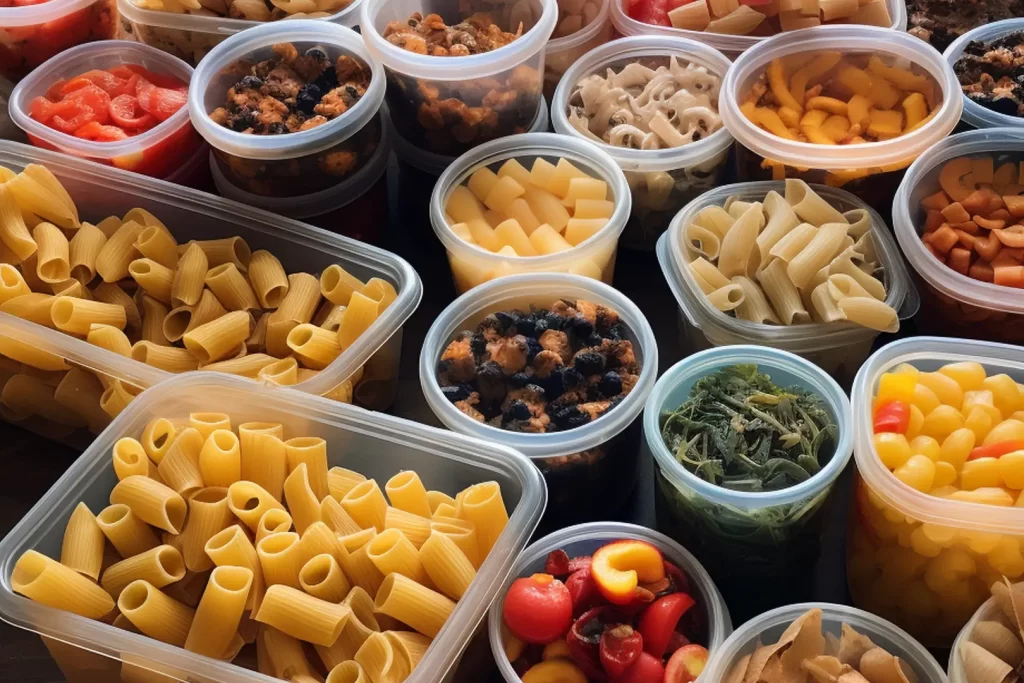
When it comes to cooling food, speed is of the essence. To quickly hit that safe fridge storage temperature, divide your leftovers into smaller portions and use shallow containers. And remember, large cuts of meat can also benefit from a little downsizing before cooling!

Wrap it Up: Seal the Deal on Safety

Ensure your leftovers are covered well, using airtight packaging or sealed storage containers to keep those pesky bacteria at bay. This also helps to maintain the food’s moisture and keeps it from adopting the flavors of its refrigerator neighbors.

Safe Storage: The Long and Short of It

You can refrigerate leftovers for up to 4 days and freeze them for 3 to 4 months. Freezing can keep them safe indefinitely, but they might just lose a bit of their charm if left in the freezer for too long!

Thawing: It’s a Cold World

When thawing your frozen leftovers, options include the refrigerator, cold water, or the microwave. Each has its pros and cons, with refrigerator thawing being the safest but slowest. Whatever method you choose, ensure to cook the food before refreezing, especially when using the cold water method.

Reheating: Heating Up the Encore

Leftovers can be reheated safely even without thawing, but it will take a bit longer. When reheating, it’s crucial to get them back up to 165° F. Be it soups or casseroles, ensure to cover the food for even heating and to retain moisture. And when dealing with microwaves, rotate the food and use microwave-safe coverings.

Refreezing: The Comeback of the Leftovers

Refreezing the already reheated leftovers is perfectly fine as long as they have reached 165° F. If you’ve thawed more than you need, you can separate the needed portion and refreeze the rest without reheating it, giving your leftovers another chance to be the star of a meal.

The World of Foodborne Illnesses

Foodborne illnesses, often referred to as food poisoning, can cause serious and sometimes fatal diseases. These illnesses are predominantly caused by harmful bacteria, viruses, parasites, toxins, and chemicals that contaminate food at any point during its production, processing, or cooking. Understanding the different types of foodborne illnesses is crucial for maintaining optimal health and preventing the spread of diseases. Here’s how to win at Jeopardy when it comes to foodborne illnesses:

1. Bacterial Foodborne Illnesses

a. Salmonella

Salmonella bacteria are the leading cause of foodborne illnesses globally. They primarily affect eggs, poultry, meat, unpasteurized milk, and other dairy products. Infection can lead to fever, diarrhea, and abdominal cramps.

b. E. coli

E. coli is found in the intestines of humans and animals. Most strains are harmless, but some, like O157:H7, can cause severe abdominal cramps, bloody diarrhea, and vomiting. It’s mainly associated with undercooked ground beef, unpasteurized milk, and contaminated water.

c. Listeria

Listeria affects ready-to-eat foods like deli meats, hot dogs, smoked seafood, and soft cheeses. It can lead to a severe infection called listeriosis, especially dangerous for pregnant women, older adults, and people with weakened immune systems.

d. Campylobacter

Found in raw and undercooked poultry, unpasteurized milk, and contaminated water, Campylobacter infection can cause diarrhea, cramping, abdominal pain, and fever.

2. Viral Foodborne Illnesses

a. Norovirus

Norovirus is highly contagious and causes inflammation of the stomach and intestines, leading to vomiting, diarrhea, and stomach pain. It is often associated with ready-to-eat food and contaminated water.

b. Hepatitis A

Spread primarily through food or water contaminated by fecal matter, Hepatitis A affects the liver and leads to jaundice, fatigue, abdominal pain, and liver function abnormalities. Shellfish from contaminated water are common carriers.

3. Parasitic Foodborne Illnesses

a. Toxoplasma

Toxoplasmosis, caused by Toxoplasma, is typically contracted from undercooked, contaminated meat, especially pork, lamb, and venison. It can cause flu-like symptoms and muscle aches and pains.

b. Cryptosporidium

Known for causing Cryptosporidiosis, this parasite is associated with contaminated water, leading to watery diarrhea, stomach cramps, dehydration, and nausea.

c. Giardia

Giardia infections come from a parasite found in backcountry streams and lakes, often affecting hikers and campers who consume untreated water. Symptoms include diarrhea, gas, stomach cramps, and dehydration.

4. Prion Disease

a. Variant Creutzfeldt-Jakob Disease (vCJD)

vCJD is a rare and severe neurological disorder caused by consuming products from cattle affected by Bovine Spongiform Encephalopathy (BSE), commonly known as mad cow disease. It leads to severe mental deterioration and loss of muscle control.

5. Toxic Foodborne Illnesses

a. Ciguatera Poisoning

This illness arises from consuming warm-water fish contaminated with ciguatoxins. It can cause nausea, vomiting, diarrhea, muscle pain, numbness, tingling, heart problems, and even reversal of hot and cold sensation perception.

b. Scombroid Poisoning

Scombroid poisoning is linked to eating spoiled fish, including tuna and mackerel. It induces flushing, headaches, itching, blurred vision, abdominal cramps, and diarrhea.

6. Fungal and Algal Foodborne Illnesses

a. Aflatoxins

Produced by molds on nuts and grains, aflatoxins can cause liver damage and cancer.

b. Shellfish Poisoning

Consuming shellfish contaminated with harmful algae leads to various types of shellfish poisoning, causing symptoms ranging from diarrhea and abdominal cramps to memory loss and death, depending on the toxin involved.

Prevention and Control

Controlling foodborne illnesses involves adopting meticulous food hygiene practices, proper cooking and storage, and adhering to food safety guidelines. Washing hands regularly, avoiding cross-contamination, and consuming properly cooked food are essential steps in preventing these illnesses. Public health initiatives and awareness are also critical in controlling the spread and impact of foodborne diseases.

Who is at Risk?

Although anyone can contract foodborne illness, infants, pregnant women, older adults, and individuals with compromised immunity are at heightened risk, with severity ranging from mild discomfort to fatal outcomes. The variability in the reaction to harmful bacteria is also notable; some might fall ill after consuming a small amount, while others remain unaffected even after consuming thousands.

How to Prevent Foodborne Illness

Microorganisms on food products at the time of purchase can cause this illness. However, not all bacteria are harmful; some are essential for producing cheese and yogurt. Cross-contamination is a significant concern, and adequate cooking and processing are vital to destroy pathogens. Adhering to safe temperature ranges and maintaining personal hygiene are crucial in preventing foodborne illnesses.

Safety Measures

  1. Maintain Optimal Storage Conditions:
    • Ensure the secure and proper storage of food items by adhering to the prescribed temperature ranges. This practice curtails the proliferation of harmful microorganisms, thereby reducing the risk of food spoilage and contamination.
  2. Adhere to Minimum Cooking Temperatures:
    • Abide by the recommended minimum internal temperatures when preparing meals to guarantee the elimination of any potentially harmful bacteria or pathogens. Utilizing a food thermometer can aid in certifying that the food has reached a safe temperature for consumption.
  3. Practice Vigilance with Perishable Goods:
    • Exercise caution and prudence with perishable food items. Refrain from consuming products that have surpassed their indicated shelf life to prevent the ingestion of deteriorated or unsafe food, minimizing the risk of foodborne illnesses.

Questions and Answers

  1. Q: How long do fruits and vegetables last in the fridge?
    • A: Their lifespan varies widely. Leafy greens and root vegetables have a longer shelf life compared to soft berries and ripe fruits. However, the safety of these items depends more on their condition rather than a fixed timeline.
  2. Q: How long does meat last in the fridge?
    • A: Meat generally has a shorter shelf life compared to fruits and vegetables due to its susceptibility to bacteria. Depending on the type, it can last from 3-4 days to 3-5 days in the fridge, but it’s safest to adhere to use-by labels or freeze if there’s a delay in consumption.
  3. Q: How long do leftovers last in the fridge?
    • A: Typically, 3-4 days, but it can extend up to 5-7 days depending on the ingredients. Trusting one’s judgment about the condition of the food is crucial.
  4. Q: How long does food last when the power is out?
    • A: A standard fridge keeps food cold for four hours post power outage. After this, it’s safe at warmer temperatures for two hours. However, transferring to a freezer or a cooler can prolong this period.
  5. Q: How can you tell when your food has spoiled?
    • A: Signs like unusual odor, flavor, or texture indicate spoilage. Trusting one’s senses is the best approach. However, some signs, like mold on hard cheeses, don’t necessarily mean the food is unsafe.
  6. Q: How can you prevent food spoilage?
    • A: Strategic meal planning, using oldest ingredients first, maintaining proper storage conditions, and regular cleaning are effective strategies.

Only You Can Prevent Food Illness

Foodborne illness is a significant and often underestimated public health issue. Knowledge about food safety, understanding of contamination sources, and preventive measures are crucial in mitigating risks associated with foodborne diseases. In managing food storage and consumption, relying on one’s judgment and understanding of food condition is often more accurate than adhering strictly to labeled dates. Balancing caution with practical knowledge ensures both safety and minimal food wastage.


0 comments
0 FacebookTwitterPinterestEmail
NRFT Blog Post - Making Breakfast

Some Great Meal Prep and Food Ideas

by NRFT

Alright, Dads! This is about throwing together some straightforward, good-for-you meals that won’t have your family dialing for pizza behind your back. We’re bringing cooking back to basics, with a hefty side of practicality. And yes, we’re talking meal prep too—because, let’s be honest, no one wants to be stuck in the kitchen when they could be chilling out post a hectic day.

A word of warning: this guide isn’t about becoming the next MasterChef. Nope, it’s about survival cooking, about throwing together foods that are simple yet satisfying, keeping those hunger pangs at bay, and ensuring your troops are well-fueled. You’ll be mastering the basics, discovering quick fixes, and finding out that healthy doesn’t always mean bland. But we want to give you some ideas for some healthy meals at home.

So, let’s get started. It’s time to bring out the inner chef in you, sans the complications and frills. It’s about navigating through the basics of breakfast, exploring the practicalities of lunch, and mastering the simplicity of dinner. Welcome to a world where cooking is less daunting, where meal prep is your secret weapon, and where every meal is a journey, an experience, and yes, a damn good time!

Cooking for Dads: Healthy Menu Suggestions – Breakfast

  1. Boosted Instant Oatmeal: Whip up instant oatmeal using skim milk instead of water, toss in some dried fruits like raisins or cranberries, and sprinkle sliced almonds on top for that crunch.
  2. Layered Breakfast Parfait: In a glass, alternate layers of low-fat yogurt with granola and sliced fruits like bananas or berries.
  3. Initial Banana Toast: Slather natural peanut butter on toasted whole grain bread and adorn it with banana slices, shaping them into your child’s first initial.
  4. Cinnamon-Apple English Muffin: Spread almond butter on a toasted whole wheat English muffin, top it with apple slices, and give it a hint of cinnamon.
  5. Waffle Delight: Dress a whole grain toaster waffle with low-fat yogurt and peaches (preferably in lite juice).
  6. Berrylicious Smoothie: Blend together low-fat milk or yogurt with a mixture of frozen berries and a banana until smooth.
  7. Breakfast Bruschetta: Top a whole wheat English muffin with low-fat mozzarella cheese and fresh tomato slices and heat until the cheese is melted.
  8. Protein-Packed Cereal: Opt for a high-fiber, low-sugar whole grain cereal with skim milk and a sliced banana.
  9. Avocado and Egg Toast: Top a slice of whole grain toast with mashed avocado and a poached or fried egg.
  10. Veggie Omelette: Whisk some eggs and pour them over sautéed vegetables, cook to perfection and serve hot.
  11. Greek Yogurt Pancakes: Mix Greek yogurt into your pancake batter for an extra protein punch and top with fresh berries.
  12. Sweet Potato Hash: Toss diced sweet potatoes with olive oil and roast them until crispy. Mix them with sautéed onions, peppers, and your favorite spices.
  13. Cottage Cheese and Pineapple Bowl: Mix low-fat cottage cheese with fresh pineapple chunks for a refreshing and protein-rich start.

Cooking for Dads: Healthy Menu Suggestions – Lunch

  1. Apple-Cinnamon Sandwich: Spread peanut butter on cinnamon raisin bread, top with apple slices for a sweet and savory crunch.
  2. Sunny Seed Sandwich: Mix sunflower seeds with raisins and peanut butter, spread the mixture on whole wheat bread.
  3. Cheesy Banana Quesadilla: Spread peanut butter on a whole wheat tortilla, add sliced bananas and a sprinkle of cinnamon. Fold and heat until crispy.
  4. Creative Banana Dog: A fun twist with peanut butter and banana enveloped in a whole wheat hot dog bun.
  5. Cheesy Apple Pita Pocket: Stuff a whole-grain pita pocket with low-fat ricotta or cottage cheese and tart apple slices with a sprinkle of cinnamon.
  6. Mediterranean Turkey Wrap: Layer hummus, turkey slices, and roasted red bell peppers on a whole wheat tortilla and roll it up.
  7. Quick Turkey Roll-up: Spread mustard on a whole wheat tortilla, add slices of turkey or ham, low-fat cheese, and lettuce. Roll it up and enjoy.
  8. Light Tuna Wrap: Mix rinsed and drained canned light tuna with plain nonfat yogurt and mustard. Add tomato slices to a whole wheat tortilla, spread the mix, and roll it up.
  9. Simple Mini Pizza: Toast an English muffin, add a splash of pizza sauce and a sprinkle of low-fat mozzarella cheese.
  10. Cottage Cheese Fruit Mix: Combine nonfat/low-fat cottage cheese with mandarin oranges, chopped dates, and sunflower seeds for a refreshing twist.
  11. Chicken Caesar Wrap: Wrap up grilled chicken, romaine lettuce, Caesar dressing, and Parmesan cheese in a whole wheat tortilla.
  12. Caprese Salad: Layer fresh tomatoes, mozzarella slices, and basil leaves, drizzle with balsamic glaze and olive oil.
  13. Veggie Pasta Salad: Mix cooked pasta with a variety of fresh vegetables, olive oil, and your favorite vinaigrette.
  14. Roasted Veggie Hummus Sandwich: Layer roasted vegetables and hummus between slices of whole wheat bread.
  15. Egg Salad Stuffed Avocado: Mix hard-boiled eggs with Greek yogurt, mustard, and spices and stuff it into an avocado half.

Cooking for Dads: Healthy Menu Suggestions – Dinner

  1. Breakfast for Dinner: Never goes wrong. Try omelets, pancakes, eggs, grilled cheese sandwiches, etc.
  2. Fast-Food at Home: Pizza, burgers, burritos, quesadillas, and soup are not just kid favorites but are fast to make.
  3. Lentil Soup and Salad: Serve canned, low-sodium lentil soup with whole wheat bread and a side salad dressed with olive oil and lemon juice.
  4. Rotisserie Chicken Salad: Layer sliced rotisserie chicken over salad greens with olive oil and balsamic dressing.
  5. Chili Stuffed Potato: Fill a baked sweet or white potato with canned vegetarian bean chili and top with cheese.
  6. Turkey Burger Delight: Serve turkey burger with a side of corn on the cob and tomato juice.
  7. Protein-Packed Pasta: Serve pasta with garbanzo beans, marinara sauce, and a side of green salad with vinaigrette.
  8. Tuna Salad Wrap with Fruit: Serve a low-fat tuna salad wrap with a side of fresh fruit.
  9. Mexican Delight Burrito: Fill a burrito with black beans, brown rice, and roasted red bell peppers.
  10. Grilled Chicken Caesar Salad: Mix grilled chicken strips, Caesar dressing, croutons, and Parmesan cheese over romaine lettuce.
  11. Vegetarian Stir-fry: Toss a mix of colorful vegetables in a wok with your favorite stir-fry sauce and serve over brown rice or quinoa.
  12. Beef and Veggie Skewers: Grill skewers of beef chunks and vegetables, seasoned with your favorite marinade.
  13. Baked Salmon with Asparagus: Bake seasoned salmon fillets with asparagus drizzled with olive oil.
  14. Sweet and Sour Chicken: Serve homemade sweet and sour chicken over steamed rice.
  15. Vegetarian Tacos: Fill taco shells with sautéed vegetables, black beans, and top with avocado slices.

Remember, these are suggestions to kickstart your cooking journey, so feel free to experiment and mix things up. After all, the dad’s kitchen is all about mixing fun with flavors and nutrition! The idea here isn’t to give you full recipes, but to give you ideas that you can further on your own when it comes time for some healthy food ideas.

0 comments
0 FacebookTwitterPinterestEmail

Meal Prep 101 for Dads

by NRFT

The Real Deal on Meal Prepping: A Dad’s Guide to Owning the Kitchen Game

Meal prep isn’t just a fashionable craze for the home chefs with too much thyme on their hands. Nope. It’s the secret weapon of dads—yea, real dads—who want to own the kitchen game, manage their munchies, and serve some realness on the dinner table. There’s no way you’re not going to be tempted to snack more and finish your kids’ food when they’re done with it, but you can at least stave off the quickly-approaching dad bod with some planning and prep.

Why Meal Prep?

So, you’re lookin’ to refine your fuel, save some money and time, minimize the food you throw away, and nail your meals for the week? Well, buddy, welcome to the meal prepping choo-choo. Jump aboard and we are about to walk you through the raw and real step-by-step on how to ride this train, no fluff, no frills. This beginner’s guide is going to arm you with the know-how to whip up a week’s worth of grub, prepped and primed. Try it, you’ll like it.

Meal prepping is the art and science of cooking up parts, or hell, whole meals ahead of time. It’s about portioning them out into grab-and-run containers for a hassle-free chow down during the week. It’s not just about convenience; it’s also your ticket to controlling your caloric and nutritional intake. We are talkin’ about bulk cooking your eats for 3-7 days in one go!

The Benefits of Meal Prep

Oh, the perks of meal prepping! Where do we start? It’s the golden ticket to uplifting your diet’s quality and variety. Whether you’re aiming to shed some dad bod, bulk up the muscles, or simply bring some ease into life, meal prepping is your wingman.

  1. Quality & Variety in Your Diet: Improve and diversify what you eat. You’re planning ahead, right? Not just picking stuff from the fridge at random.
  2. Dietary Goals: Due to the nature of planning meals, you will have more chances to hit your nutritional targets.
  3. Prevent Overeating: Because portion control is king. You can make peace with eating only what you agreed with yourself should be eaten back at the start of the week.
  4. Nutritional Knowledge: Get educated on what fuels you. Make the right choices ahead of time.
  5. Weight Management: Lose it or maintain it, your call.
  6. Save Money: Because who doesn’t like extra cash?
  7. Time Efficiency: Maximize your minutes. Put on football games on Sunday and take care of the entire weeks’ meals. It’s super easy and saves so much time throughout the week.
  8. Waste Reduction: Let’s keep it eco-friendly. Those kids that are keeping you up at night are gonna have to live on this planet for years after we leave.
  9. Enhanced Mental & Emotional Well-being: Eat right, feel right.

How Does Meal Prep Change the Game?

Meal prep is all about getting a head start on your week, setting you up for quick, healthy, and stress-free munching. It’s the answer to changing your dinner game during those crucial, and sometimes chaotic, post-work hours. It’s about ensuring you get a nutritious spread on the table without breaking a sweat. Let’s get our hands dirty and delve into it!

The Nuts and Bolts of Meal Prepping

So, you’re considering diving into this meal-prepping gig – it’s about time! This isn’t about mastering some gastronomic wizardry; it’s about rolling up your sleeves and getting down to the nitty-gritty of planning, chopping, and cooking. You’re the master of your kitchen domain, and how you rule it? Well, that’s entirely up to you.

Now, the task at hand, getting your fridge loaded with ready-to-go meals. It’s not about performing delicate culinary ballet; it’s about going to battle with your ingredients, wielding your knife and skillet like a seasoned warrior, making sure your troops—err, meals—are well-prepared and ready for deployment. Slice, dice, cook, and pack. That’s the mantra. It’s you versus the chaos of life, and guess what? You’re going to win, one prepared meal at a time.

Meal prepping is less about the flavors and fancy meals you’d find at a high-end restaurant and more about strategy and execution. It’s about leveraging your time and efforts today so you can sit back and reap the benefits throughout the week. Think of it as your culinary investment plan – the more you put in now, the more you gain in saved time, money, and sanity during the chaotic workweek hustle.

Any Downsides?

Let’s be real; meal prepping might mean getting cozy with the same dish for a few days, so if you’re someone who needs variety and zing in every bite, this might need some adjusting. And yeah, getting the kiddos on board with “leftovers” can be a bit of a rodeo, especially when dealing with varied dietary needs and taste buds. The trick? Mix it up with different spices, sauces, or freeze portions for future weeks to avoid mealtime monotony.

New Dads, Dad Bods, and the Meal Prep Advantage

Let’s get real; how often have you annihilated a bag of chips or overcommitted to that candy bar recently? Was your body running on empty? Was the emotional tank hitting the red? Here’s the shit of it all: when we’re running on fumes, our choices, especially food choices, are likely to be less than stellar. Couple that with the snacking, a lack of self-care, less exercise, and bam! Welcome the cuddly and snugly dad bod, an extra 15-20lb that feels like it just crept up on you overnight! You’re just not looking good any more and this is on you.

Having a meal plan that’s foolproof is like having a shield during those moments of weakness. It’s about swapping those unhealthy indulgences with nutrient-packed meals that fuel you for the long haul. With time, those wholesome alternatives become the norm, and those junky temptations? You won’t even miss them!

Managing Stress, Managing Meals: A Real Perspective

Stress is that sneaky villain in the narrative of parenting. most families, from a diverse spectrum of race and ethnicity, experience a low to moderate levels of stress daily, primarily due to work or school demands and family demands. Stress pushes us, more often than not, to opt for quick or easy meals. Interestingly, it’s not just about unhealthy meals or skipping them; it’s about those less-healthy snack choices and sugar-loaded beverages that we tend to gravitate towards when the stress hits the fan, too. It all adds up, and life’s not going to give you a day in bed to hid from the fridge for years to come.

But don’t forget, it’s about progress, not perfection. It’s about acknowledging the stresses, the joys, and the learning curves of fatherhood and leveraging meal prepping as your secret weapon to navigate through it all with nutritional balance and sanity intact. You won’t get it right 100% of the time, Just get it right some (or even most) of the time.

The Best Online Apps for Meal Prep

Alright, gents, you’ve decided to tread into the meal-prepping battlefield. It’s going to be a rigorous ride, but one that’s going to pay dividends in sanity and health. So let’s armor up with some solid strategies and tackle this mission with precision and efficiency.

Now, we live in a tech-savvy world, so you can leverage that. There are ample meal prep apps out there ready to be your field generals, leading the charge in organizing your plans, curating recipes, and dictating your grocery lists. It’s like having your battle plans laid out with the click of a button. If you’re more old school and prefer the command of a pen and paper, well, that’s your loyal sword—wield it as you wish. If you are choose apps, here are some that we recommend:

PlateJoy: Tailored Tactics for Culinary Conquests

Available on both the App Store (4.7) and Google Play (4.4), PlateJoy offers its strategic prowess for $12.99 a month. It serves as a crucial ally with nutritious recipes, tailored shopping lists, and optional grocery delivery. Its strength lies in customization and a digital pantry feature, optimizing your resources and minimizing wastage. A longer commitment gives you more bang for your buck—$69 for six months or $99 for a year.

Eat This Much: Your Nutritional Navigator

Both App Store and Google Play users rate it a solid 4.7 and 4.4 respectively. It’s your budget-friendly quartermaster, generating meal plans and grocery lists aligned with your food preferences and schedule. Ideal for those mindful of their caloric intake, it comes equipped with a calorie calculator and food barcode scanner, breaking down the nutritional aspects of your provisions, ensuring you meet your dietary objectives.

Paprika: The Masterful Meal Planner

Priced at $4.99, Paprika earns its stripes with a 4.9 rating on both platforms. It enables you to extract recipes from the web, transforming them into structured meal plans and organized grocery lists. Deemed a ‘recipe manager,’ it categorizes grocery items based on supermarket aisles and boasts interactive recipes, facilitating a smooth cooking process and aiding in time management.

MyFitnessPal: The Holistic Health Herald

Free with in-app purchases, MyFitnessPal garners a 4.7 and 4.5 rating on the App Store and Google Play, respectively. It’s not merely a nutrition and food tracker; it’s a comprehensive meal-planning tool providing nutrition plans, recipe ideas, and insights into how your food intake impacts your overall well-being, from mood to sleep.

MealPrepPro: Your Proactive Prep Partner

Exclusively on the App Store with a 4.7 rating, MealPrepPro is your nutritional strategist for $8.99 a month. It aligns your meal plans with your nutritional goals and allows macro tracking, regularly infusing new and original recipes into its database. It’s your foolproof way to culinary consistency.

Mealime: The Swift and Simple Strategist

This app promises 30-minute recipes and adapts to your food preferences. With ratings of 4.8 and 4.7, it offers a free basic version and an upgraded, paid one with additional features like calorie counting and access to more recipes. Its integration with InstaCart and Amazon Fresh ensures your supplies are delivered efficiently.

MealBoard: The Budgeting Battle Buddy

With a 4.6 rating, it specializes in budgeting and optimal resource utilization. It allows you to input prices for each ingredient, tracks your pantry inventory, and features a calendar function to facilitate effortless menu planning.

Plan to Eat: The Organizational Oracle

At $4.95 a month, it organizes your recipes and grocery lists and enables sharing of meal plans, making it a favorite for groups. Although it doesn’t offer its own recipes, it calculates nutrition information for imported ones and requires a monthly or yearly fee for full access.

Yummly: The Recipe Repository

Priced at $4.99 a month, Yummly, with its 4.7 and 4.5 ratings, serves as a reservoir for a multitude of recipes filtered by preferences, allergies, and skill level, allowing manual uploads as well. Its organizational abilities are commendable, but the absence of a calendar function makes it more suited for those looking for new recipes rather than extensive meal planning.

Your First Steps Into Meal Planning

Start with one meal, be it breakfast, lunch, or dinner. Go for the one that usually sees you shelling out cash at the local eatery or, worse, skipping it altogether. Pick your weakest link and fortify it. Start your conquests small; Sunday and Wednesday are your trusted lieutenants when it comes to picking a day for meal prepping. Don’t overextend your supply lines by prepping for a whole week right out of the gate. Test the waters with two or three days and see how your troops—err, taste buds—respond.

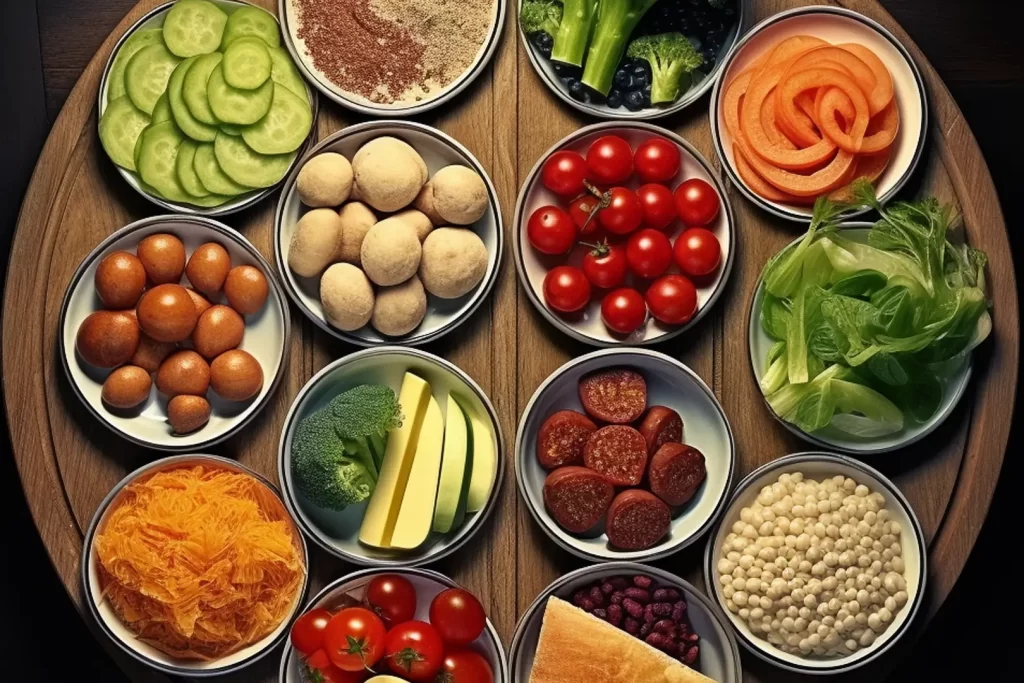
Here’s a golden nugget for you—make veggies or fruits at least half of your prepared rations. They are your nutrient-packed ammunition, and they come fresh, frozen, or canned.

Don’t go solo on this mission; coordinate with your comrade-in-arms, your partner. I, for one, sit down with my wife post-kiddo bedtime, somewhere between Wednesday and Thursday, pre-TV time. It’s low-stress, efficient, and becomes quicker as you get into the rhythm. Reuse the plans, recycle the grocery lists—it’s about smart warfare, gentlemen.

Once your strategy is carved in stone, it’s time to shop and prep. Embed it into your weekly schedule; consistency is the backbone of victory. If life throws curveballs and you can’t hit the store, delegate! Services like Instacart are your reinforcements, bringing your supplies right to your doorstep. Prep on the same day each week. In my home, we rally on Sunday mornings. Tablets keep the little ones occupied, and the kitchen becomes our war room, where we strategize and prepare for about 30–60 minutes. We typically watch football or other sports while working. A midweek session keeps our snack supplies replenished and our spirits high.

Straight-Talking Meal Prep – A Guide for Every Dad

When it comes to meal prepping, let’s cut to the chase. It’s about stocking up on foods that won’t spoil the minute you walk out of the grocery store, are versatile, and most importantly, easy to cook. This isn’t rocket science.

1. Frozen Vegetables: The Workhorses

Frozen vegetables are often more nutritious than their fresh counterparts. They’re typically flash-frozen shortly after being harvested, which seals in their nutritional value. You’re getting a powerhouse of vitamins and minerals, vital for keeping up your energy and health, especially in those early days of fatherhood when a good night’s sleep is but a distant memory.

Get yourself a load of frozen vegetables. They are washed, chopped, and ready to be thrown into whatever you’re cooking. It’s about convenience and long shelf-life. Fresh vegetables have a ticking clock on them, and with the unpredictable schedule of a new baby, they can often go to waste. Frozen vegetables have a longer shelf life, reducing waste and saving money—critical for those burgeoning family expenses.

Whether you’re throwing together a quick stir-fry, adding them to a smoothie, or mixing them into a pasta dish, frozen vegetables are versatile. This adaptability is crucial when meal prepping needs to be quick and hassle-free. Frozen vegetables are like the reliable, no-nonsense friends every new dad needs—always there when you need them, loaded with good stuff, and ready to save the day (or dinner) in a pinch. They are the pragmatic, nutritious choice that aligns with the dynamic and often chaotic life of a new father.

2. Starchy Vegetables: The Heavy Lifters

Stock up on potatoes and other root vegetables. They’re going to last you, they’re filling, and they’re good for you. These guys are your foundational pieces. Starchy vegetables are loaded with complex carbohydrates, the body’s primary energy source. This sustained release of energy is crucial for those long nights and early mornings when your little one decides to be a nocturnal creature. Plus, a satisfied appetite means you’re not constantly raiding the fridge, helping maintain a balanced diet amidst the chaos.

These veggies are packed with essential nutrients like fiber, vitamins, and minerals. Potatoes, for instance, are high in vitamin C and potassium. The nutritional value of starchy vegetables is a significant factor, especially when the body is in constant “go” mode dealing with parenting duties. Also, the dietary fiber in starchy vegetables aids in digestion and promotes gut health. A healthy digestive system is essential, especially when your meal times are erratic, and grabbing a bite here and there is the norm.

Starchy vegetables are the hard-hitting, steadfast components of a new dad’s diet. They’re not just the sides on your plate; they’re the main event in maintaining your energy and well-being in this new chapter. Integrating them into your diet is a straightforward, practical way to ensure that you are getting the fuel and nutrients needed to be the dad your little one deserves.

3. Stiff Fresh Vegetables: The Snack Attack

Stiff fresh vegetables like celery, carrots, and bell peppers are rich in vitamins and minerals, essential for staying healthy. They offer an array of nutrients like vitamin A, vitamin C, potassium, and antioxidants, critical for maintaining immunity, especially when the lack of sleep is hitting hard. Celery, carrots, bell peppers, radish—snackable and versatile. Whether you’re munching on them solo or dunking them in hummus, these crunchy veggies have your back.

Furthermore, these crunchy delights are low in calories, making them a smart snack choice. When you’re constantly on the go, being mindful of caloric intake is key, and these veggies allow you to munch without the guilt. The fiber in these vegetables aids in digestion and supports gut health. A well-functioning digestive system is vital when your eating schedule becomes as unpredictable as your newborn’s sleep patterns.

4. Sturdy Greens: The Backbones

Sturdy greens are loaded with vitamins, minerals, and antioxidants, serving as an armor against illnesses. They’re rich in vitamins A, C, and K, essential for boosting immunity, healing wounds, and keeping bones strong—perfect for those sleep-deprived nights and hectic days. Packed with dietary fiber, these greens support digestive health, ensuring that your gut is in prime condition, especially when irregular meals become the norm. A happy gut contributes to overall well-being and keeps you active and alert. Spinach and kale are the sturdy greens that won’t let you down. They last long and mix well with pretty much anything. Wash them, dry them, but leave the dressing until it’s go-time.

5. Whole Grains: The Energy Suppliers

Let’s get down to the nitty-gritty about whole grains. They’re not just the side act; they are the main event when it comes to fueling your body and mind during the rollercoaster ride of new parenthood. Here’s the rundown on why these nutritional dynamos are non-negotiable for new fathers. Whole grains are your body’s fuel reservoir, providing sustained energy to tackle those late-night diaper changes and early morning wake-up calls. They are complex carbohydrates, breaking down slowly to keep your energy levels steady.

Whole grains promote satiety, curbing those sudden hunger pangs and helping in maintaining a healthy weight. Managing your weight effectively ensures you have the vitality to embrace your new role fully. These grains regulate blood sugar levels, reducing the risk of type 2 diabetes. Stable blood sugar means fewer energy crashes and a more balanced mood—essential for navigating the highs and lows of parenting. Oats, quinoa, barley, and buckwheat—they’re going to work for breakfast, lunch, or dinner. These grains are the fuel that’s going to keep you and the family going.

6. Pulses: The Protein Fix

We’re talking chickpeas, lentils, beans, and peas. These guys are your go-to for plant-based protein, and here’s why you need to load up your pantry with them. Chickpeas, lentils, beans, and peas—it’s about fast, plant-based protein. Integrate them into your meals for a nutritious and no-nonsense boost. Pulses are loaded with protein, the building block of muscles. For all the lifting, carrying, and playing you’ll be doing, these will help in maintaining and building muscle mass, ensuring you stay strong and resilient. Rich in complex carbohydrates, pulses help stabilize your blood sugar levels, giving you sustained energy to keep up with the non-stop demands of a newborn. It’s a long haul, and you need the energy that doesn’t quit on you.

7. Lean Protein: The Muscle Builders

Lean protein is critical for the repair and growth of muscle tissues. It’s essential for those strenuous, unexpected dad duties like carrying a car seat, the baby, and a diaper bag all at once. This means you stay robust and resilient, ready to tackle any physical challenge parenthood throws at you. Eggs, Greek yogurt, tofu for the vegetarians, and a range of lean meats for the carnivores. These are your building blocks, your source of fuel and muscle repair.

Protein has a higher thermic effect compared to fats and carbs. This means your body burns more calories processing proteins. In a nutshell, more protein equals more calories burned, aiding in weight management, a crucial aspect when focusing on long-term health. Also, lean proteins keep you feeling full longer. This is especially important when your schedule is packed, and meal times are unpredictable. By curbing unnecessary snacking and cravings, you are better able to maintain a healthy weight and stay energized.

Remember, choosing lean proteins like chicken, turkey, or fish over high-fat meats helps in maintaining heart health by reducing saturated fat intake, which in turn helps in maintaining healthy cholesterol levels and blood pressure.

8. Whole Fruits: The Natural Sweeteners

Whole fruits are packed with natural sugars that provide a quick and healthy energy boost, crucial for those sleep-deprived days and nights. A banana or an apple can be your best friend when you need to stay awake and attentive. Fruits are loaded with dietary fiber which aids in digestion and helps maintain regular bowel movements. A hassle-free digestive system is one less thing to worry about when you’re juggling diapers and baby bottles. Apples, bananas, oranges—whatever is in season, load up. They are the natural sugar fix you need, especially when the 3 PM slump hits.

Many fruits, such as oranges and berries, are teeming with vitamins and antioxidants that strengthen your immune system, helping you ward off illnesses and infections. A robust immune system is essential when there’s a newborn in the house. Regular consumption of fruits like berries and apples has been linked to a lower risk of heart diseases, thanks to their anti-inflammatory properties and content of flavonoids. A healthy heart means more active and joyful moments with your little one.

9. Nuts and Seeds: The Crunch Factor

Nuts and seeds are dense in calories, providing sustained energy that is essential for those long nights and early mornings with your newborn. A handful of almonds or sunflower seeds can be the pick-me-up you need. Rich in Omega-3 fatty acids, nuts and seeds are proven brain foods that enhance cognitive function, improving memory and mood – crucial assets when dealing with the myriad of responsibilities of fatherhood. And . . . despite being calorie-dense, nuts and seeds can aid in weight management due to their ability to provide satiety, curbing your appetite and reducing the intake of less healthy options. Almonds, walnuts, seeds—small in size, big on nutrients. They’re your go-to for adding crunch and nutrition to your meals.

Kitchen Gear Up: Essential Tools for New Dads

Alright, Dads. Time to gear up and get your kitchen game strong.

1. Premium Knives

Cut the nonsense and get yourself a solid set of knives. Sharp, durable, stainless steel. No compromises. You’re dicing, slicing, and chopping – do it with precision.

2. Measuring Cups & Spoons

Get your portions and your spices right. No more, no less. This is about precision and keeping those meals in check, avoiding the ‘too much heat’ scenarios.

3. Digital Food Scale

For those who like it accurate, a food scale is essential. It’s all about getting those proteins and ingredients measured to the dot.

4. Reliable Kitchen Utensils

Every craftsman needs his tools. Whisk, spatula, tongs, can opener – these are the basics. You’re flipping, mixing, and turning – make sure you have what you need.

5. Cutting Boards

Avoid cross-contamination. One for meats, one for veggies. It’s simple, it’s necessary. Keep it clean and keep it safe.

6. Durable Mixing Bowls

These are multifunctional. Whether it’s marinating, mixing, or storing, you need sturdy, easy-to-clean bowls that withstand the test of time.

7. Efficient Colander

Clean produce is non-negotiable. Get a good colander and ensure your fruits and vegetables are fresh and chemical-free.

8. Multi-use Grater

This isn’t just about cheese. It’s about zesting, shaving, and grating to add that extra kick to your meals.

9. Non-Stick Baking Dishes

A variety of sizes, all non-stick, is the way to go. Whether you’re baking, roasting, or broiling, you need reliable dishes that do the job right.

10. Non-Stick Skillet

This is your mainstay for stove-top cooking. From stir-fries to sautés, it’s the versatile pan every dad needs in his kitchen arsenal.

Advanced Gear:

If you’re feeling the kitchen vibes and are ready to step up your game, consider an Air Fryer or an Instant Pot for diversified cooking, and a second freezer for the heavy preppers.

How to Cook Meals for a Week? A Straightforward Guide for Dads

Start Small

This is crucial, fellas. Don’t burn out by biting off more than you can chew. Start by doubling a recipe, making a large breakfast casserole, or portioning out snacks for the week. You’re learning, adapting. Keep the motivation, go slow. After a couple of successful weeks, let’s talk about covering all meals.

Meal Plan

Sketch a menu. List out the meals, decide the days. Look for recipes that are bulk-friendly and reheat well. The weekend is usually a good time for this, find what suits your rhythm. Aiming for a balanced diet is key, so think complex carbs, lean proteins, veggies, fruits, and healthy fats. Plan it all, whether on paper or a spreadsheet, and get those details sorted before you fire up the stove.

Shop

Do a quick inventory check—fridge, freezer, pantry. List what’s missing and hit the store. The goal? One grocery run. Buy in bulk, grab the sales, save the bucks. Meal prepping equals no mid-week grocery runs and an increasingly well-stocked pantry and freezer.

Meal prepping is not a one-size-fits-all routine, especially for dads who are tending to their nutritional needs. Whether you’re new to meal prepping or are just looking to mix things up, experimenting with different methods can help you find what works best for you. Here are three main strategies you can adopt:

1. Batch Cooking: The Time & Money Saver

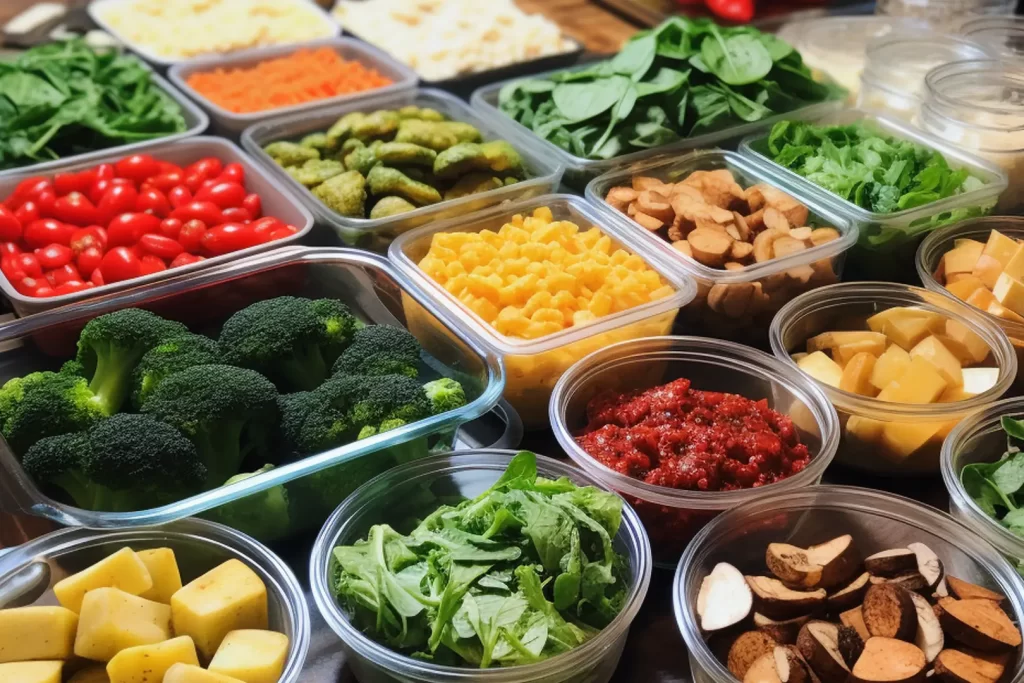
  • Mix and Match: Create large batches of individual ingredients allowing you to assemble different meals like salads and grain bowls throughout the week. Ideal for those who crave variety.
  • Large Batch Cooking: Cook large portions of a few recipes such as chili, enchiladas, and pasta bakes. The generated leftovers can be frozen in individual portions, providing convenient options for future meals.

2. Prepping Now, Cooking Later: The Flexible Approach

For meals that taste best fresh or when dealing with perishable ingredients, prepping ahead and cooking later is a viable method.

  • Partial Prep: Do the initial work like chopping veggies, creating sauces, or marinating proteins, then store each component separately until you’re ready to finish the recipe.
  • Benefits: This approach allows flexibility, accommodating changes in schedule, and ensuring the freshness of each meal.

3. Cook, Portion, and Store: The Complete Package

Some prefer completing the entire cooking process in one go, especially for recipes where only some ingredients are cooked, such as salads with grilled chicken.

  • Portioned Out: Meals can be portioned out in advance, making this method convenient for packed lunches or single servings.
  • Efficiency & Variety: It’s still beneficial to use overlapping ingredients to maintain efficiency and variety in your meals.

General Steps for Efficient Meal Prepping

  1. Review the Recipes: Study your recipes, noting similarities in ingredients, cooking times, and any advance preparation required.
  2. Cook Starches and Legumes: Start with ingredients that take longer to cook like grains, beans, and lentils.
  3. Prepare Vegetables and Ingredients: Chop, mince, and measure, keeping ingredients for each recipe grouped together.
  4. Initiate Slow Cooker & Pressure Cooker Meals: Let these cook while you focus on other quicker recipes.
  5. Cook Proteins and Vegetables: Organize cooking by grouping ingredients with similar cooking times together.
  6. Prepare Sauces: While base ingredients are cooking, prepare sauces, dressings, or marinades.
  7. Assemble Mixed Dishes & Cook: You can either cook immediately or store prepped ingredients for cooking later in the week.
  8. Portion Out & Store: Depending on your preference, store meals in single servings or as full meals in large containers.

Frequently Asked Questions: Meal Prep Edition

Q: How long does meal-prepped food last in the fridge?

A: Generally, most cooked meals can last up to 4 days in the refrigerator. However, it’s crucial to store them properly in airtight containers to maintain freshness. Some meals, especially those with fresh vegetables and lean proteins, may have a shorter shelf life, so it’s advisable to consume those first.

Q: Is meal planning a good practice or activity for a family?

A: Absolutely! Meal planning can be highly beneficial for families. It can save time and reduce stress related to last-minute meal decisions. Additionally, it can contribute to a more balanced and nutritious diet, allow for variety in meals, and can be a collaborative and educational activity for the whole family.

Q: How do you meal plan and prep for a family?

A: Start by assessing the dietary needs, preferences, and restrictions of each family member. Then, create a diverse weekly menu that accommodates these factors and allocate specific meals for each day. Compile a grocery list based on the chosen recipes and shop accordingly. Designate a prep day to cook and portion out meals or prepare ingredients for later use.

Q: What is the safest way to store prepped meals?

A: Store your prepped meals in airtight containers to avoid contamination and maintain freshness. Separate different types of food, such as storing raw meat away from cooked items, to prevent cross-contamination. Refrigerate perishable items promptly and ensure that your refrigerator is set at or below 40°F (4°C).

Q: How can meal prepping help in maintaining a balanced diet?

A: Meal prepping enables you to plan your meals mindfully, allowing you to incorporate a variety of food groups, such as proteins, grains, vegetables, and fruits, in your diet. This proactive approach encourages portion control, reduces the likelihood of opting for unhealthy food choices, and helps in maintaining nutritional balance.

Q: Can I freeze my meal-prepped food?

A: Yes, most meal-prepped foods can be frozen for later use. However, some foods, like salads and dishes with high water content, may not freeze well. When freezing, use freezer-safe containers or bags, and label them with the contents and date to ensure the quality and safety of the food.

Q: How do I avoid monotony in meal-prepped dishes?

A: To avoid boredom, integrate variety into your meal plans. Experiment with different cuisines, flavors, and cooking methods. You can also prepare versatile base ingredients like grains and proteins that can be mixed and matched with different sides, sauces, and seasonings to create diverse meals throughout the week.

Q: Is it possible to meal prep on a budget?

A: Certainly! Meal prepping can actually be more economical. To meal prep on a budget, focus on incorporating seasonal produce, buying items in bulk, and utilizing versatile and affordable ingredients like rice, beans, and lentils. Also, plan meals around sales and discounts available at your local grocery store.

Q: Should I be concerned about reheating prepped meals?

A: Reheating food is safe as long as it is done correctly. Reheat the food to an internal temperature of at least 165°F (74°C) to ensure that any potential bacteria are eliminated. Avoid reheating food multiple times, and consume reheated food promptly to maintain food safety.

You Got This Meal Prep Thing, Dad

Embarking on the journey of meal prepping can initially seem like a daunting task, especially for dads who may be juggling work, family commitments, and a myriad of other responsibilities. However, by diving into the organized and efficient world of meal preparation, dads can find solace in knowing that this practice can alleviate daily pressures, encourage healthier eating habits, and foster a sense of community and connection within the family.

Remember, meal prepping is a fluid and adaptable journey, not a stringent one-size-fits-all model. It’s a learning curve, a space for you to enhance your cooking skills, discover new recipes, and continually adapt your strategies to meet your and your family’s evolving needs and preferences. It’s about making the practice sustainable, enjoyable, and a way to foster a lifelong appreciation for food and cooking.

So, in wrapping up, the journey into meal prepping is about so much more than convenience. It’s about creating a nourishing environment, elevating the act of eating to a celebratory experience where you and your family can relish the array of flavors, enjoy each other’s company, and find fulfillment in nurturing both body and soul. It’s about embracing food with intention, curiosity, and love, forming a harmonious connection of flavors, textures, and aromas where you and your family can find joy, comfort, and a sense of communal belonging. It’s about weaving a tapestry of culinary memories that will resonate with your family for generations to come. Here’s to your journey into the enriching world of meal prepping, and here’s to the countless flavorful memories you will create along the way!

0 comments
0 FacebookTwitterPinterestEmail

The hiccapop Baby Wipes Warmer

by NRFT

Gone are the days when baby wipe warmers were considered an unnecessary luxury. In fact, if you’ve experienced the chaos of a screaming baby during middle-of-the-night diaper changes, you know how crucial warm wipes can be. One product that stands out in this category is the hiccapop Wipe Warmer. Why is this little appliance such a game-changer? Read on to find out.

Key Features

Before we dive into the nuts and bolts of why we love this product so much, let’s first discuss its key features:

  • Warmth that Calms: Cold wipes can cause your baby to squirm and scream; warm wipes can soothe and calm.
  • Top-Heated Design: This innovative feature ensures that wipes at the top of the box are warmest while keeping the ones at the bottom from drying out.
  • Built-In Changing Light: Nighttime changes just became a whole lot easier with this gentle light.
  • High Capacity: Holds all types of “continuous feed” wipes. Say goodbye to constant refills!
  • Versatile Power Cord: Works in multiple countries thanks to its detachable cord compatible with both USA and international voltages.
  • Over 1,000,000 Units Sold: Trust the numbers; they don’t lie.

Why Warm Wipes are a Game-Changer

Let’s be honest; nobody enjoys a cold, wet wipe, especially not a newborn. With sensitive skin and a nervous system still adjusting to life outside the womb, infants can find cold wipes quite jarring. Not to mention, the shock from a cold wipe in the wee hours of the night can fully awaken your baby, making it more challenging to get them back to sleep. This is where the hiccapop Wipe Warmer swoops in like a hero to save the day (or rather, the night).

Thoughtful Engineering

Designed meticulously, the hiccapop Wipe Warmer has been engineered to address almost every concern parents have. Its premium silicone seal ensures that the moisture stays in, and the wipes stay fresh. This addresses the common problem of wipes drying out in many other warmers.

The top-heated design ensures that the wipes at the top are warmest. It’s an intelligent move, considering you’ll always be picking from the top. The high-capacity design is another plus, particularly for busy parents who don’t have time to refill the box every day. And let’s not forget the built-in light feature with an auto shut-off after 10 minutes, ensuring you don’t have to fumble in the dark or remember to turn it off.

Nighttime Changes: A Whole New Experience

The hiccapop Wipe Warmer has a built-in light, which is incredibly handy during nighttime diaper changes. It provides just enough illumination to see what you’re doing without waking up the whole household. And since it turns off automatically after 10 minutes, you don’t have to worry about remembering to switch it off—a lifesaver when you’re sleep-deprived.

High Capacity, Fewer Worries

Running out of wipes mid-change is everyone’s nightmare. The hiccapop Wipe Warmer comes with a large refill window and a high-capacity case that can hold a week’s worth of wipes. This ensures that you won’t find yourself stuck in an awkward situation, searching for that elusive last wipe.

Real-World Experience

The glowing reviews about the hiccapop Wipe Warmer aren’t just marketing hype; they mirror our own experiences and those of many satisfied parents. One reviewer noted how the warmer made diaper changes with their newborn a complete 180-degree experience, turning a shriek-fest into a calm, almost serene event.

International Usability

The detachable power cord that works with multiple voltages makes this a great option for international families or those who travel frequently. It’s a small detail, but it adds another layer of convenience to an already stellar product.

Summary and Final Thoughts

We’ve reached the end, and if you’re still here, it’s pretty clear you’re sold on the idea of a wipe warmer. Trust us, it’s not a frivolous expense; it’s a sanity-saving necessity. The hiccapop Wipe Warmer’s thoughtful design, high capacity, and added features make it stand out as an exceptional choice for parents. Don’t make your baby (or yourself) go through the jarring experience of cold wipes; invest in comfort, invest in peace, and most importantly, invest in your baby’s well-being.

So, if you’re still on the fence about whether a wipe warmer is an unnecessary luxury or an essential tool for your baby’s comfort, let us help you make that decision easier: it’s absolutely essential, and the hiccapop Wipe Warmer is the best there is

0 comments
0 FacebookTwitterPinterestEmail

Nuna Rava

by NRFT

Nuna RAVA Convertible Car Seat: The Raw, No-BS Review

We know some of you might be rolling your eyes at another “premium” product but hear us out. We’re gonna strip away the glitz and glamour to get at the nuts and bolts of this thing. Because it’s expensive, but then the thought is that maybe there’s a reason it is expensive.

Nuna Rava: The Pros

1. Stellar Design: Look, the Nuna Rava isn’t just another hunk of plastic and padding. It’s engineered with taste. The design aesthetics are mature—this is the kind of car seat that won’t clash with your car’s interior.

2. Built Like a Tank: We’re talking side-impact protection, energy-absorbing foam, an all-steel frame, and a belt path that’s reinforced like a fortress. This thing is built to withstand a siege, not just a fender-bender.

3. Extended Rear-Facing: You know those disturbing crash videos you see online? They’re right: rear-facing is safer. The Rava allows for rear-facing until 50 pounds. That’s up to year four of your kid’s life, which means more peace of mind for you.

4. No-Rethread Harness: Time is money. The 10-position height-adjustable headrest adjusts the harness automatically. No faffing around threading belts through impossible slots.

5. Installation You Can’t Screw Up: It accepts a LATCH install, but the seat belt install is the real MVP here. Simple, efficient, and secure.

6. Push-Button Recline: Your kid needs a nap, you need peace. A 10-position recline at the touch of a button—no gymnastics required.

7. Newborn Ready, with Caveats: The Rava can start from 5 pounds, although it’s not the perfect recline for very small infants. But it’ll adapt as your kid grows.

Nuna Rava: The Cons

1. Size: If you’re trying to fit three car seats across the back, keep moving. The Rava is too wide for that circus act.

2. It’s Heavy: This seat is a stay-at-home kind of deal at 27.2 pounds. Don’t plan on seat-hopping between vehicles; it’s not that kind of party.

3. Sweaty Situation: Even with ventilation, the Rava tends to heat up. Cover it up if you’re parking under the blazing sun.

Extra Specs:

  • FAA Approved: But be savvy with the lap belt routing on airplanes.
  • Longevity: A solid 10-year lifespan. Replace after any crash—no exceptions.
  • Limitations: Not compatible with inflatable seat belts, and there are some weight limits for anchor use.

Nuna RAVA: Uncomplicated Safety for Real Parents

Being a parent in today’s complex world is demanding enough. When it comes to car seats, what you need is something simple, safe, and robust. The Nuna RAVA isn’t just another car seat; it’s an engineered piece of safety gear designed for real-world parents. Here’s why it stands out.

RAVA’s Dual Functionality

Convertibility is the name of the game. The Nuna RAVA isn’t just a rear-facing car seat; it’s also forward-facing. This dual functionality ensures that as your child grows, your investment in their safety adapts right along with them.

Built Like a Fortress

A car seat is only as good as its construction, and the RAVA spares no expense. The all-steel frame and reinforced belt path provide a level of protection akin to a bunker. This isn’t just a seat—it’s a shield for your most precious cargo.

Extended Rear-Facing Capability

Let’s put it bluntly: the longer a child can be rear-facing, the safer they are in a collision. RAVA allows for rear-facing up to a remarkable 50 pounds. It’s not just about complying with safety standards; it’s about setting new ones.

Advanced Side Impact Protection

When we’re talking safety, we can’t ignore the importance of side-impact protection. The RAVA features energy-absorbing foam and Side Impact Protection (SIP) pods that take the idea of “security” to the next level.

User-Friendly Design

RAVA goes the extra mile to minimize user error— a critical feature for busy parents. Colored belt path indicators serve as a simple, yet effective guide to ensure that you’ve installed the seat correctly.

Simplifying Installation

Speaking of installation, RAVA prides itself on making the process as uncomplicated as possible. The True Tension™ doors ensure a secure fit, while the recline angle guides confirm you’ve got the perfect angle. Forget about complicated manuals and muscle-straining setups; this is as close to “plug-and-play” as a car seat gets.

Mindful Material Choices

RAVA doesn’t just focus on safety; it also pays attention to the materials that come in contact with your child. From fabric to foam, everything is sourced to be flame-resistant and contains no added fire retardant chemicals. So while your child enjoys laid-back legroom and breathable fabrics, you can enjoy peace of mind.

Environmental Credentials

In today’s world, environmental considerations matter. The RAVA is GREENGUARD Gold Certified, meaning it’s proven to meet some of the world’s strictest third-party chemical emissions standards.

Solid Warranty

All this quality comes backed by a 2-year warranty, which starts from the day of purchase. It’s not just a purchase; it’s a long-term investment in safety and peace of mind.

The Price Tag: An Investment in Unmatched Quality

The Nuna RAVA doesn’t come cheap, with a retail price of $449.95. In a market flooded with a range of options at varying price points, some may balk at the cost. But here’s the perspective shift: you’re not just buying a car seat; you’re making a long-term investment in safety, durability, and ease-of-use. The advanced safety features—like the all-steel frame, the extended rear-facing capability up to 50 pounds, and the user-friendly installation system—set a high bar for what a car seat can and should be.

Comparing Apples to Apples: Features vs. Cost

When you stack up the RAVA against other convertible car seats in the market, be sure to compare not just the price but also the features. Many lower-priced options might offer basic safety features but lack the advanced technology and user-friendly design elements that RAVA brings to the table. They may not provide the extended rear-facing capability, or the same level of side-impact protection. In this context, the RAVA doesn’t just measure up; it stands out. Remember, some of these “extras” aren’t just about convenience; they could very well make a difference in a critical moment.

The Longevity Factor: A Cost-Effective Choice Over Time

Finally, consider the longevity of this car seat. With a robust 2-year warranty and a 10-year lifespan, the RAVA is designed to go the distance. Many cheaper car seats may need to be replaced sooner due to wear and tear, or simply because your child outgrows them faster than you’d like. When you divide the cost of RAVA over its lifespan, the price per year becomes a more digestible figure. Plus, the peace of mind that comes from knowing your child is in one of the safest and most comfortable car seats available? That’s priceless.

Nuna Rava: The Real Deal

The Nuna Rava is a heavy-duty piece of engineering with the parent’s needs squarely in focus. Sure, it’s an investment at $449.95, but you’re getting a decade of reliability, aesthetics, and, most importantly, safety. Think of it like a finely tailored Italian suit for your car—it just makes you feel more secure.

If you’ve already been wowed by the Nuna PIPA infant seat, consider the Rava a pitch-perfect sequel. It delivers what it promises, with a few minor gripes that don’t break the deal. It costs a ton of money, be prepared, but if that’s not a problem, then it’s an uncomplicated, robust safety system designed for real parents dealing with real life. It provides the safety features you demand, with the simplicity and ease of use you crave.

0 comments
0 FacebookTwitterPinterestEmail

So, you’re about to be a dad or maybe you’re gearing up for another go-around with a newborn. You’re grappling with a checklist a mile long, but let’s focus on one big-ticket item that’s probably been giving you some sleepless nights—choosing the right car seat. Brands are pelting you with phrases like “ultra-secure,” “extra-safe,” and “premium protection.” Feels like you’re shopping for a vault at Fort Knox, not something to get your kid from point A to point B, doesn’t it? Here’s the #1 secret to buying a car seat that no one is telling you: Cut the crap, focus on the basics. If it’s certified and sold in the U.S., it’s safe.

The Myth of “The Safest” Car Seat

Brands love to tout their seats as the “safest.” But here’s the deal: If a car seat is legally sold in the U.S., it meets safety standards. There are no two ways about it. It’s like a baseline guarantee of security you can count on. The National Highway and Traffic Safety Administration (NHTSA) enforces these guidelines, and any seat failing to meet them gets recalled. Quick and dirty. So, when a manufacturer trumpets its product as “exceeding safety standards,” that might be true, but it’s also irrelevant because the basic requirements are already robust. You can’t graduate more than 100% from high school, can you?

Every certified car seat in the U.S. has survived the NHTSA’s sled test, which simulates a pretty traumatic crash. If it’s certified, it’s designed to protect your child in a collision, period. In that sense, the “safest” seat is the one you’ll actually use correctly every single time, which takes us to the next point . . .

Fit, Installation, and Usage: Your Real Priorities

The best seat isn’t necessarily the one with all the bells and whistles—it’s the one that fits your child, fits your vehicle, fits your budget, and that you can install and use correctly every time. Get those four things right, and you’re golden. No, seriously, over 90% of infants leave the hospital with at least one mistake in how their car seat is used. That’s not just an alarming statistic; that’s an epidemic of well-meaning but misguided attention to the wrong details.

Before you make your pick, consult with a Certified Child Passenger Safety Technician (CPST). They’ll walk you through the install process, test for a secure fit, and ensure you’ve got the basics down pat. That investment in time will probably save you from the common pitfalls that result in that staggering 90% misuse rate. Call the local police station if you’re not sure where else to start when it comes to finding someone to confirm your seat is installed correctly.

The Pitfalls of Online Shopping and Fake Seats

Online shopping is a double-edged sword. Sure, it’s convenient, but it’s also a breeding ground for counterfeit or non-U.S. compliant car seats. Even the most vigilant among us could end up with a dud. With online shopping, many families unknowingly purchase a car seat that is up to European standards—safe-ish, but technically illegal to use in the U.S. How can you prevent this?

  1. Look for clear manufacturer information. Every car seat made for the U.S. market should have a label with the manufacturer’s name, model name or number, and the date of manufacture. In addition, it should come with installation instructions in English. Missing these? Big red flag.
  2. Also, don’t be fooled by flashy online reviews or sales. A counterfeit seat might look legit, but it’s like buying a Rolex from a guy in a trench coat—something’s off, and you know it. Confirm with the manufacturer if you’re buying from an authorized reseller.

What If You Screw Up?

Hey, it happens. If you end up with a suspect seat, take action. Most manufacturers have customer service representatives trained as car seat technicians. Use them as a resource. You can also report non-compliant seats to the NHTSA and Consumer Product Safety Commission.

If you’re using a counterfeit seat or one that’s non-U.S. compliant, report it and replace it. No compromises, no excuses. We’re talking about a device that could mean life or death for your child in a worst-case scenario.

Certified Safety on a Budget

Now, let’s address an important concern for many families—budget. High prices often give the impression of superior quality and safety, but remember: all certified car seats meet robust safety standards, irrespective of their price tag.

If you’re on a budget, this should come as reassuring news. Instead of fretting over whether you can afford the most expensive car seat with all the extra bells and whistles, you can focus on what really matters: finding a seat that fits your child’s size and age, integrates well with your car, and most importantly, one that you can install and use correctly every single time.

Various organizations and nonprofits even offer discounted or free car seats to low-income families. These seats are also certified and safe; they may lack the luxury finishes or extra padding, but they do not compromise on safety.

Understanding the baseline of safety all certified seats must meet allows you to make an informed decision without feeling coerced by marketing tactics. High-end models may offer additional comfort or conveniences like easier installation features, but they are not necessarily “safer” than more affordable options. With proper installation and use, a budget-friendly car seat can be just as secure as a high-end model.

Besides, investing the money you save into other important baby essentials like diapers, baby food, or even starting a small education fund makes financial sense.

Therefore, the key to buying a car seat is not the brand or the features it offers, but the assurance that it meets federal safety requirements. In times when raising a child has become increasingly expensive, knowing that safety doesn’t have to come at a premium is not just comforting, it’s empowering.

Checklist for Before You Buy a Car Seat

  1. Look for NHTSA Certification: Check that it’s certified to Federal Motor Vehicle Safety Standards (FMVSS 213).
  2. Check the Labels: Manufacturer name, model name, and date of manufacture must be clearly listed.
  3. Consult a CPST: Make sure you can install it correctly.
  4. Test the Fit: Not all seats are compatible with all cars. Make sure it fits your vehicle.
  5. Check Authorized Resellers: If shopping online, make sure you’re buying from an authorized reseller.

Conclusion: Your Due Diligence Matters

Look, nobody’s handing out medals for buying the most expensive or feature-rich car seat on the market. The real win is ensuring the seat fits your child, fits your vehicle, and can be installed and used correctly every single time. Anything else is gravy.

So, the next time you’re slogging through pages of car seat options, getting bombarded by sales pitches about patented this and revolutionary that, just remember this: the #1 secret to buying a car seat is simpler than you think. Get a certified seat that fits your specific needs, and you’re already ahead of the game. It might not be the stuff of Instagram-envy, but it’s the stuff that actually keeps your kid safe. And that’s the dad win we’re all aiming for.

0 comments
0 FacebookTwitterPinterestEmail

LumiPets Bear: The One Night Light to Rule Them All

We’ve all been there—your kid’s standard-issue nightlight kicks the bucket, and suddenly bedtime turns into a scene from a Stephen King novel. If you haven’t experienced it yet, it’s about 100% worse when that happens to your kid while they are in the bath. So when it comes to a night light, you don’t just want a stopgap; you want the Lebron James of nightlights. Meet the LumiPets Bear, the night light that pulls its weight and then some. Spoiler: We love this thing.

LumiPets Quick Look

Pros

  • Multiple color options
  • USB rechargeable
  • Durable and portable
  • Remote control for extra functionality
  • Timer and dimmer features

Cons

  • Slight sensitivity to taps may change settings inadvertently
  • White light may be too bright for some kids, but there are dimmer choices available.

Look and Feel: Diving Deep into Aesthetic Waters

The Identity Crisis: Toy or Lamp?

When you first lay eyes on this LumiPets Bear, you’ll find yourself asking a very poignant question: Is this a toy, or is it a lamp? Actually, let’s throw that question out the window because this thing is both, and it does a damn good job at each role. At first glance, you’re met with a sculpted bear that’s far from the sugary, over-the-top, animated characters we’ve come to associate with children’s toys and decor. And thank goodness for that; I don’t know about you, but I’m over the nursery looking like a carnival exploded.

Modern Minimalism Meets Animal Kingdom

This bear is the epitome of contemporary, minimalist design. It’s got clean lines and a simplistic style that wouldn’t be out of place in an adult space. We’re talking Ice Bear from We Bare Bears, not Winnie the Pooh with a pot of honey. The aesthetics here are so balanced you might think Marie Kondo herself had a hand in its design. And while we’re on the subject of copyright issues, yeah, this bear does toe the line with its resemblance to Ice Bear, but let’s call it a tribute rather than a rip-off. Because honestly, what dad wouldn’t want a badass, minimalist Ice Bear illuminating his kid’s room?

No Filter Needed: The Instagrammable Light

Look, let’s be real. In today’s world, if you didn’t post it on Instagram, did it even happen? As a dad who’s proud of his tyke’s milestones, you’ve got a phone filled with “firsts.” First steps, first words, and of course, the first night they slept through. This LumiPets Bear offers that perfect, soft glow for those twilight snapshots. You know, the “Just got the baby to sleep, #DadWin” pics. That warm, inviting light makes even your sleep-deprived face look good. It’s like one of those ring lights, but no one is going to look at you awkwardly when your 40-year-old ass goes in and buys this.

Size Matters: Built for Real-World Parenting

How many times have you had to lug an arsenal of ‘essentials’ for a simple overnight visit to grandma’s? The LumiPets Bear makes at least one aspect of those trips a breeze. It’s practically sized at 5″D x 5″W x 6″H, fitting right into your overloaded bag without making you feel like a pack mule. And don’t be fooled by its elegant design; this thing is robust. Weighing just 8 ounces, it’s got the portability of a smartphone with the durability of a toddler-proof fortress. It’s a combat veteran in the ongoing war that is the “Toddler Olympics”—it can withstand being thrown, squished, and probably even used as a makeshift drum.

Portability: The Road Warrior of Night Lights

Ever tried wrangling a toddler into sleep in an unfamiliar environment? Yeah, it’s like herding your drunk friends. Blindfolded. The LumiPets Bear’s portability is a godsend in those situations. It can easily go wherever your little night owl goes, from the car seat to the hotel room to the camping tent. Unlike most of your kid’s essentials that seemingly require a U-Haul, this little fella is travel-friendly. And let’s face it, anything that makes parenting on-the-go easier deserves a freakin’ medal.

Resilience: The Chuck Norris of Night Lights

Last but certainly not least, let’s talk durability. This bear isn’t just for show; it’s constructed to withstand the chaos that is life with a toddler. We’ve subjected it to the ultimate test—a three-year-old with a penchant for throwing things—and it’s come out unscathed every time. In fact, this bear is so tough it doesn’t just survive the Toddler Olympics; it takes home the gold.

So, to sum it all up, the LumiPets Bear is that rare blend of form and function. It’s a night light. It’s a toy. It’s a minimalist piece of art. And, perhaps most importantly, it’s going to make you an Instagram star with its deft lighting. If you’re a dad looking for a night light that doesn’t cramp your style, your search ends here. With the LumiPets Bear, you’re not just investing in a night light; you’re elevating the entire parenting game.

The NRFT Practicality Test

Functionality & Adaptability

This isn’t just a “look cute and do nothing” kind of bear. The LumiPets Bear has multiple settings: bright light, dim light, color-changing modes, and a timer function. That’s more flexibility than most politicians. And it works great in hotels, vacation condos, and at grandma’s house. It’s soft and the light is really cool–you’ll be using this for yourself well after your kids are in college.

Ease of Use

The tap-to-change function is so intuitive that even a toddler can operate it. Kids have no problem operating this. The included remote control offers a finer level of control—great for when you want to set the mood (for sleep, obviously).

Battery Stamina

The LumiPets Bear is a marathon runner, lasting up to 12 hours on a single charge. For comparison, that’s longer than a season of your favorite series on Netflix. So unless you plan on binge-watching through the night, this night light’s got you covered.

Unboxing Experience

Packaging

You open the box and find yourself not overwhelmed with unnecessary plastic and cables. Minimalist and eco-friendly, the packaging isn’t screaming “baby gear.” It’s simple, efficient, and, dare I say, a bit stylish. Everything a modern dad could ask for.

First Impressions

Upon lifting this surprisingly light bear out of its casing, you immediately feel the quality of the silicone material. It’s like touching a cloud that got its life together—soft but sturdy.

What’s in the Box?

  • LumiPets Bear Night Light
  • Remote Control
  • USB Charging Cable

No gimmicks. No marketing fluff. Just the essentials for your little one’s peace of mind (and yours).

Operational Excellence

Battery & Charging

It’s 2023, and we have cars driving themselves. There’s no reason your nightlight should still require disposable batteries. The LumiPets Bear comes with a USB cable for charging and lasts a solid 12 hours. If it were any more efficient, I’d hire it as my personal assistant.

Remote Control

The remote is not just a gimmick. It’s a tool of empowerment for your little commander-in-chief. Your kid wants pink light? Boom. Done. You prefer dim white light that won’t keep you up all night? No problem.

Timer

With three timer options (15, 30, or 60 minutes), you control how long this thing stays on. It’s like having a nightlight with a snooze button.

Additional Features

Tap Control

Beyond the remote, the bear is touch-sensitive. Give it a firm tap, and it cycles through colors or settings. Great when the remote is MIA—because let’s face it, with a toddler, anything that’s not bolted down is fair game.

Sleep Timer Function

For those times when you don’t want the light on all night, this function is gold. Choose from 15, 30, or 60-minute intervals and let the bear do its thing. It shuts off gradually, making the transition to complete darkness smoother than your best dad moves on the dance floor.

Comparisons with Other Night Lights

In a market saturated with gadgets that claim to be the best thing since sliced bread, how does LumiPets Bear measure up?

Versatility

Most night lights offer one, maybe two color options. This bear brings you nine.

Charging

Many nightlights still use conventional batteries. LumiPets is USB rechargeable, making it a win for convenience and the environment.

Material

Traditional night lights are often plastic and break easily. This silicone-based bear? It’s the Bruce Willis in a room full of Romcom actors—robust and endlessly enduring. And Moonlighting isn’t a Romcom and I will die on that hill.

Longevity & Warranty

Look, I know the initial price may be a bit higher than your average nightlight. But let’s talk ROI (Return on Investment, for the uninitiated). This bear is built to last. We’ve been using it for over two years, and the battery life is still as good as day one. No degradation in quality or performance. Plus, the brand stands by their product 100%, and that speaks volumes.

Final Verdict

After thoroughly vetting this nightlight through the gauntlet of parenting life, the LumiPets Bear gets an unequivocal two thumbs up. It’s more than a nightlight; it’s a sleep-time game-changer, an emotional comforter, and your child’s new best friend wrapped in one silicone package.

From its exceptional build quality to its arsenal of features, this bear is a worthwhile investment for any modern dad looking to streamline the nighttime routine without compromising on quality.

And hey, if it can survive a few rounds of toddler wrestling, it can survive anything. In a world full of disposable gadgets, the LumiPets Bear is a keeper.

0 comments
0 FacebookTwitterPinterestEmail

Stokke Tripp Trapp High Chair: The Dad’s Deep Dive Review

Introduction

Hello to all the hardworking dads out there who want nothing but the best for their families! Today, we’re talking about a piece of furniture that’s going to be a big part of your child’s life: the high chair. But not just any high chair; we’re diving deep into the Stokke Tripp Trapp High Chair. You might have heard of it, and it’s not by chance; this chair has a storied history. So grab a coffee or perhaps a ‘dad-sized’ soda because we’re going to explore whether this high chair lives up to the hype and if it’s right for your family.

Pros

  1. Adaptability: Easily the biggest selling point. The chair adjusts as your child grows, making it a long-term investment.
  2. Quality: Premium materials and construction mean this chair will last for years.
  3. Design: It’s sleek and modern, complementing rather than clashing with adult furniture.
  4. Safety: With its stable construction and five-point harness, it’s a chair you can trust.
  5. Easy to Clean: As anyone with kids knows, this is a big one. A quick wipe down is generally all it takes.

Cons

  1. Price: Quality comes at a price. This chair is an investment, which might not be feasible for everyone.
  2. Accessories Cost Extra: It would be nice if at least some of the additional accessories came included in the initial purchase.
  3. Space: It’s not the smallest high chair on the market, so it may be a tight fit in smaller dining areas.

A Bit of Stokke History

Before we get into the nuts and bolts, let’s talk about the company behind this chair—Stokke. Stokke has been in the business since 1932. Originally hailing from the scenic west coast of Norway, they have had a focus on seating solutions for decades. However, it wasn’t until 1972, with the launch of the Tripp Trapp designed by Peter Opsvik, that they ventured into children’s furniture.

This was a game-changing move for them. The chair not only revolutionized the children’s chair category but also became an icon of sorts, a must-have piece in the stylish, ergonomic world of Scandinavian design. The company further expanded its range in the ’90s and launched its first stroller, the Xplory, in 2003. Since 2006, Stokke has been focused solely on premium children’s furniture and equipment, making them a market leader in several categories across numerous countries.

Philosophy and Design Approach

It’s worth noting that Stokke’s design philosophy has a human-centric approach. They are not just making furniture; they aim to enhance the bonding and connection between parents and children. The parent-facing design approach, especially seen in the Tripp Trapp, promotes this ethos. The idea is that a child needs to feel a sense of connection with their loved ones to feel safe and secure. This is what sets the Tripp Trapp apart; it’s not just a chair, according to Stokke—it’s an investment in your child’s emotional and physical well-being. That may be a bit of a stretch, but it is a hell of a good chair.

The Tripp Trapp’s Legacy

The Stokke Tripp Trapp is not a new kid on the block; it’s been around since 1972. Over the years, it’s evolved into a product loved by families worldwide. This chair screams Scandi-chic—practical, stylish, with clean lines and functionality. If you’ve ever flipped through a baby or child lifestyle magazine, you’ve likely seen the Tripp Trapp making everything look effortlessly cool. It works well in a minimalist home, as well as at your favorite cabin.

What’s in the Box?

So, you’ve made the investment and that iconic box has finally arrived at your doorstep. Exciting times! But what exactly is inside this package? Here’s a quick rundown:

  1. Seat and footplate, both made of high-quality European beech wood
  2. Two side frames
  3. Two guide rails for assembling
  4. Five-point harness system for safety
  5. Screws, Allen key, and other necessary hardware
  6. User manual and warranty information

First Impressions

As soon as you open the box, you’ll notice that the parts are carefully packaged to prevent damage. The wood is solid and feels premium to the touch. There’s a sense of craftsmanship in every component. The five-point harness system is robust, and the metal and plastic components are of high quality. Overall, the unboxing experience itself already makes you feel like you’ve got your money’s worth.

Tripp Trapp Assembly

If you’re anything like me, you’ll appreciate that Stokke understands the value of easy assembly. The Tripp Trapp comes with a fairly straightforward user manual with clear, step-by-step instructions and illustrations. Building all of this furniture sucks, to be honest. It’s exciting for the first item, and after that it’s not much of anything but time you could be using to do something else.

The Tripp Trapp was surprisingly straightforward to put together.

Usability and Experience

Adjustability

One of the Tripp Trapp’s key features is its adaptability. The seat and footplate are fully adjustable, allowing the chair to grow with your kid. You can set the height and depth of both to ensure ergonomic seating at any age—from 6 months (when many babies start to sit unassisted) up to adulthood. Yes, you read that right: freakin’ adulthood. This means you’re not just buying a high chair; you’re essentially buying a chair for life. To be fair, however, you’ll probably use the dining room chairs that came with your table instead of the Tripp Trapp once you are an adult, but it would be a nice garage chair for the workbench.

Safety

The safety of our little kids is always a top priority. The Tripp Trapp comes with a five-point harness system that is both secure and easy to use. The locking mechanism is sturdy, and the straps are easy to adjust. Plus, the chair’s robust design makes it incredibly stable. There’s no wobbling or risk of tipping over, even with an active toddler climbing in and out.

Aesthetics

Let’s be honest; nobody wants an eyesore in their dining room or kitchen. The Tripp Trapp, with its clean lines and high-quality finish, fits seamlessly into any home décor. The wood looks and feels premium, and the chair is available in a crapload of colors, so you’re sure to find one that matches your interior.

Accessories: The Icing on the Cake

While the Tripp Trapp is fantastic right out of the box, Stokke offers a range of accessories to enhance the chair’s utility and comfort. Here are a few notable ones:

Baby Set

Ideal for infants and smaller toddlers, the Baby Set provides additional support and stability. It includes a high backrest and a rail with an integrated crotch strap. The best part? It’s incredibly easy to install and remove, allowing for quick adjustments as your child grows.

Tray

Though the Tripp Trapp is designed to fit right up to your dining table, you can also opt for a detachable tray. This is perfect for those times when you’re not eating at the table but still want a secure, easy-to-clean surface for your child.

Cushions

Stokke offers a variety of cushion sets that not only add a pop of color to your chair but also provide extra comfort. These are especially useful as your child transitions from a high chair to a youth chair, offering a cozy seat for longer sitting periods.

Storage

There’s also an optional storage bag that attaches to the back of the chair, handy for stowing away bibs, wipes, or your child’s favorite toys.

Final Thoughts

The Stokke Tripp Trapp is more than just a high chair; it’s a lifetime chair. Its exceptional design, robust safety features, and incredible adaptability make it an excellent investment for any family. While the initial cost and the price of accessories might set you back a bit, the long-term benefits and quality easily justify the expense.

So, is it NRFT-approved? Absolutely, yes. And it’s not just for your peace of mind as a parent but also for the comfort and well-being of your child, which, at the end of the day, is what matters most. If you have the money for this, it’s a solid purchase and much more fun that those plastic, roll-around, spaghetti-stained chairs that fill out the more affordable selections.

0 comments
0 FacebookTwitterPinterestEmail

NRFT – Gear Review – Chicco KeyFit

by NRFT

Chicco KeyFit Infant Car Seat Review: Gets the Job Done Right.

You’re a parent now. Forget the convertible sports car; you need a ride that’s reliable, secure, and, yeah, probably won’t make your back ache from the bending and lifting. Welcome to the world of infant car seats—one of the most crucial purchases you’ll make for your child. If you want something that doesn’t require an engineering degree to install, works seamlessly with a stroller, and most importantly, keeps your kid secure as Fort Knox, look no further than the Chicco KeyFit. Here’s why this no-nonsense, all-business car seat should be on your radar.

Pros and Cons at a Glance

Pros

  • Longevity: Suitable for babies weighing 4 to 30 pounds
  • Ease of Installation: It’s a cinch
  • Comfort: Extra padding for those tiny tushies
  • Maintenance: Easy to wash and clean

Cons

  • Weight: She’s a bit hefty
  • Compatibility: Might need an adapter for other stroller brands
  • Breathability: Could be better

Bottom Line If you’re after an easy-install, low-maintenance infant car seat that pairs well with your stroller and keeps your baby safe for the long haul, the Chicco KeyFit 30 has got you covered.

The Nitty-Gritty: Features That Matter

Design

In a world full of Disney characters and overly bright infant gear, the Chicco KeyFit 30 is the equivalent of a tailored suit. With a bunch of different colors/patterns, you can find something that fits your style without turning your car into a neon circus.

Now, let’s talk fabric. Yes, you can remove it and throw it in the washer. Why is this a big deal? Two words: diaper blowouts. These suck. Especially on long road trips. And let’s not forget spills of the food and beverage variety. That will happen almost daily. The downside is that the material isn’t the epitome of luxury. If you’re expecting your baby to recline on silken cushions, this isn’t the seat for you. But hey, babies spill, sweat, and make all sorts of gross messes—so maybe silk isn’t the best idea anyway.

Ergonomics

Handling this car seat can be a workout. Clocking in on the heavier side, you’ll build some bicep muscle carrying this around, especially with a growing baby inside. But let’s be honest, you can’t put a price on safety. If you’re not planning to lug the seat far distances outside of the car, the weight shouldn’t be a deal-breaker.

Age Range

OK so this is not your “forever” car seat. The Chicco KeyFit is for your fresh-from-the-hospital baby up to when they hit 30 pounds or 30 inches, whichever comes first. Depending on your little one’s growth trajectory, you can expect to use this seat for about a year, give or take. Then you’ll have to move on to a convertible car seat. So, while you’re not making a long-term commitment here, you’re getting something designed to handle the intricacies of infancy damn well.

Safety

You don’t cut corners when it comes to safety, and neither does Chicco. This seat meets all U.S. safety standards and even has the JPMA (Juvenile Products Manufacturers Association) seal of approval for its handheld carrier capabilities. What’s inside counts, and in this case, it’s expanded polystyrene foam. This isn’t your average packing foam; this is energy-absorbing material that provides extra impact protection.

We’re all familiar with the dance: you try to strap your wriggling, possibly crying, baby into the car seat, working against the clock of your patience and their tolerance. The KeyFit’s five-point harness system comes with a single-pull strap, so you can secure your baby in record time without a hitch. You want to be the pit crew of diaper changes, not a fumbling rookie, and this seat lets you do just that.

Adjustability and Compatibility

Look, kids grow like weeds. One day they’re swaddled in your arms, and the next, they’re reaching for your car keys. The KeyFit 30’s got your back with three harness adjustment slots. That means as your tiny one starts to resemble a not-so-tiny one, you can adjust the height of the harness with minimal fuss. The catch? This seat is rear-facing only and strictly for infants. The clock is ticking, so you’ll need to think about upgrading to a convertible seat once your child hits the height or weight cap.

As for compatibility with strollers and the like, you might need an adapter if your stroller brand isn’t a Chicco. It’s an extra step, but it’s manageable. It’s like having a universal remote; sometimes you need to put in a bit of work to get everything synced up.

Usability

Here’s where we hit the gold—installation. If you’ve ever felt like you need a Ph.D. to install a car seat, the KeyFit 30 will be your academic relief. This thing installs with an ease that will make you feel like a pit stop pro. It’s designed to save you time and brain cells, so you can focus on the road and the squirming, possibly screaming bundle of joy in the backseat. And if you have never installed a car seat before, it can be a bitch to be honest. If you are going to move this between two cars a lot (or even with grandma’s car if she is going to babysit a lot), then you want an easy-to-install car seat for sure.

Price

The Chicco KeyFit 30 is priced around $199, which is a steal compared to other seats pushing the $300 mark. So, what are you sacrificing for the price difference? Frankly, not much. It delivers on all the key fronts: safety, ease of use, and durability.

Competition

There are other car seats out there, sure. Some are lighter, others have more bells and whistles, and a few even boast better sun protection. But when it comes to easy installation and straightforward use—two things you can’t afford to compromise when you’re sleep-deprived and multi-tasking—the KeyFit 30 has them beat. It might lack a little in the frills department, but it makes up for it in reliability and function.

Final Verdict: Do It.

So, here we are. You’ve waded through a sea of infant car seats, each promising to be the best thing since sliced bread. But let’s cut through the bullshit: The Chicco KeyFit is solid, reliable, and it does its job without making yours harder. No, it won’t brew your morning coffee or put your baby to sleep, but it will keep them safe and make your life a heck of a lot easier. And in the end, isn’t that what it’s all about? Just go for this if it’s on your list. The combination of price and quality and what you get for something you’re only going to use for about a year is 100% worth it, which is why the KeyFit is constantly USA’s #1 selling car seat.

0 comments
0 FacebookTwitterPinterestEmail

In the overcrowded world of strollers, few brands stand out as clearly as UPPAbaby. With almost two decades under its belt (founded 2006), this American-born brand has cultivated a reputation that blends functional elegance with rugged usability. They’re not just drawing from corporate boardroom brainstorming sessions; they’re gleaning real-world insights from everyday family life. The UPPAbaby Vista v2 Double is no exception to this lineage. Here’s why it might (or might not) be your next big investment in parenting gear.

UPPAbaby Vista v2 Double Stroller: Pros and Cons

Pros

  • Versatility: The stroller works for up to three children, accommodating various seating configurations including car seats, toddler seats, and bassinets.
  • Storage: The storage bin is spacious with a 30 lbs weight limit, offering plenty of room for supplies.
  • Ease of Use: Straightforward folding and unfolding mechanism, easy-to-use harness, and convenient braking system.
  • Maneuverability: Handles well even on uneven surfaces.
  • Quality: High-quality materials and construction promise durability and longevity.
  • Sun Protection: Outstanding sunshades for all seating arrangements.
  • Expandability: Allows for growth and change in family dynamics.

Cons

  • Price: It’s a premium product with a matching price tag.
  • Size and Weight: The stroller is relatively large and heavy, which might not be ideal for those with limited storage or for use in crowded urban settings.
  • Two-Handed Fold: Requires both hands to fold and unfold, which might be inconvenient for some.
  • Complexity: May offer more features than a family realistically needs.

The UPPAbaby VISTA V2: A Complete Package

Let’s get the key points on the table. The Vista v2 Double is designed to make your life as hassle-free as possible. This isn’t just a stroller; it’s practically a modular transport system. You can configure this bad boy to handle up to three kids with a plethora of seating options: car seat carriers, toddler seats, and bassinets. And if you’re planning a full day out, this stroller’s storage capacity is second to none, boasting a 30 lb weight limit. That’s not just a storage bin; it’s a trunk.

Fold & Unfold: A Two-Handed Operation

Now, let’s get real. You won’t be folding and unfolding this thing with a drink in one hand. It’s absolutely a two-handed operation, but it’s efficient. The frame unlocks and folds down in two stages. Once it’s down, it locks automatically for safety and stands on its own. Just make sure the handlebar is at the right height for it to balance. For this price, it better be easy like this.

But be warned, if you don’t fold it properly, you might find that the second seat catches in the storage basket. It’s like folding a map; do it wrong, and it looks messy, but get the sequence right, and it’s easy.

Storage: More than Just Space

The term ‘storage’ doesn’t do justice to what the Vista v2 offers. You’re not just getting a basket; you’re getting a fully accessible storage system. You can reach this compartment from all angles, perfect for when you need that spare pacifier or juice box pronto. Two inner pockets are there to stash essentials like your keys and wallet. You’ll be happy with this part, for sure.

Harness: Safety Can be Simple

Harnesses can be one of those things that make or break a stroller experience. We’ve all seen those five-buckle nightmares that make you feel like you’re prepping your kid for a spacewalk. Not here. The Vista v2 comes with a straightforward 5-point harness system for each toddler seat. No PhD required. Adjustment is tool-free, infinite in height options, and—let’s be honest—idiot-proof. Grandma can do it even though she still calls you to ask how to turn on her computer.

The buckle system is standard UPPAbaby, which in layman’s terms means it’s user-friendly enough to work one-handed. That’s crucial when your other hand is busy holding a phone, a shopping bag, or another kid.

Brakes: No Footwear Discrimination

Let’s talk brakes. Single-action, press to set, press to release. Even if you’re sporting flip-flops or heavy boots, these brakes don’t discriminate. They’re straightforward and effective, and they come with a color-coded pedal. A quick glance, and you’ll know whether your mobile child pod is securely parked or ready to roll.

Maneuverability: Turns on a Dime

Here’s where the rubber literally meets the road. Despite not being a jogging stroller, the Vista v2 handles like a dream, especially on flat surfaces. But with an extended form factor due to the second seat, you need to anticipate your turns. Consider it akin to driving a longer vehicle; it takes a minute to get used to, but once you do, it’s smooth sailing.

That said, if you plan to go off-road or through gravel, this isn’t a mountain bike. The stroller does struggle a bit with taller bumps and uneven surfaces. However, it still handles better than most strollers not specifically designed for rugged terrains.

Transport and Storage: Think Modular

When you’re not using it, the Vista folds down to a relatively flat shape, which makes it easier to transport and store. Yes, it’s large, but this isn’t some flimsy umbrella stroller that you’re going to stash under a bed. This is a workhorse, and it demands its fair share of real estate whether in your car trunk or garage.

Weight & Size: You Can’t Have it All

At 35 lbs with two seats in place, the Vista v2 isn’t going to win any lightweight championships. In simple terms, it’s bulky, but what it sacrifices in compactness, it more than makes up for in features and durability. You’re not just pushing a stroller; you’re commanding a child transport unit that’s built like a tank but handles more like a sedan.

Seating: Where Comfort Meets Utility

Let’s talk about the captain’s chairs. The Vista v2 offers similar seating features for both toddler seats—no squabbling over who gets the ‘better’ seat. You’ve got adjustable legs and footrests, and the push-button recline function lets you easily adapt each seat to its occupant. The result? Happy kids, and by extension, a happy you.

Expandability: Not Just a Stroller, a Family Investment

The UPPAbaby Vista v2 is incredibly flexible when it comes to expandability. You can go from a single child setup to a double—or even a triple—with the right accessories. Additional toddler seats, RumbleSeats, PiggyBack ride-along boards, and adapters for infant car seats make this a dynamic system that grows with your family. In the long run, this level of expandability turns the Vista v2 from a short-term purchase into a long-term investment.

Consider this: you may start with twins, and then welcome another baby. Your stroller setup can change seamlessly, avoiding the dreaded (and expensive) stroller swap-out. It’s like getting a family car with the space and configuration options you’ll need for the next decade, all wrapped up in an “elegant” design. And by “elegant,” we just means it feels like you spent money on it. And you did if you get one of these. But if you’ve ever driven a Corvette, you know that it handles better and feels better to drive than a Honda Accord. This is like that, but with strollers.

Car Seat Compatibility: Brand-Agnostic by Nature

Let’s talk about car seat compatibility. Not all strollers play nicely with car seats from other brands. The UPPAbaby Vista v2, however, is remarkably accommodating. With the right adapters, you can fit a variety of car seat brands like Maxi-Cosi, Nuna, and Cybex. This is a feature you’ll find invaluable, especially if you’ve already invested in a car seat you love or if you’ve been handed down one from family or friends. This open-ended compatibility approach makes the Vista v2 a hub of versatility, reducing the hassle of brand-specific limitations. And you’ll want that because when you get your sleeping kid out of the car, it’s much easier to take their infant car seat out and let the kid sleep compared to waking up your kid and moving them into a new location (into the VISTA, in this example).

Setup: Intuitive but Read the Manual

The UPPAbaby Vista v2 comes with an instruction manual that’s mercifully straightforward. However, don’t be that dad who thinks he can figure it all out without consulting the manual. Sure, the setup is intuitive, especially if you’ve assembled strollers before. But given the stroller’s versatility and multiple configurations, you’ll want to make sure you’re setting it up correctly for your specific needs.

From attaching the wheels to snapping in the seats, the manual provides step-by-step guidance that will save you time and potential headaches. Follow it closely, especially when you’re exploring the stroller’s various seating configurations for the first time.

Suitability for Twins: Double the Joy, Half the Hassle

For parents of twins, the UPPAbaby Vista v2 is a dream come true. It’s one of the few strollers that can comfortably accommodate two car seats or bassinets side-by-side. Plus, the fact that the stroller is modular allows for future-proofing your investment, making it ideal for twins who will undoubtedly grow at different paces and have different needs. Both seats offer similar levels of comfort and flexibility, ensuring that no child feels like they’ve drawn the short straw. Additionally, the multiple configurations allow each child to either face the world or face you, providing endless combinations to suit any twin dynamics.

A Deep Dive into Alternatives: Why the UPPAbaby Cruz Might Just Be a Better Buy

We’ve explored the UPPAbaby Vista v2 Double Stroller in painstaking detail, and there’s no question that it stands out as a premier option for families seeking quality, versatility, and durability. It’s the Rolls-Royce of strollers, to put it in car terms, offering a lavish experience for parents and little ones alike. But let’s consider a vital question—what if you’re more of a BMW guy? What if you’re looking for something that still screams luxury but is a bit more streamlined for city living? This is where the UPPAbaby Cruz comes into the picture.

Pricing: The Balancing Act

First and foremost, let’s talk about price, the make-or-break factor for many purchases. The UPPAbaby Vista v2 is a premium product with a premium price tag. If you’re hesitating before taking the financial plunge, you’re not alone. This is where the Cruz has a leg up—it offers many of the same luxurious features as the Vista v2 but at a lower price point.

Size and Maneuverability: Nimble in Tight Spots

We all love the robust design of the Vista v2, but let’s be real; it can feel like you’re piloting a cruise ship, especially in tight urban settings. The Cruz, in contrast, is more like steering a speedboat. It’s smaller and lighter, making it easier to navigate through tight aisles, busy streets, and crowded areas. You get less storage, sure, but also less bulk and a stroller that’s far easier to carry up a flight of stairs or squeeze into a cramped elevator.

Versatility: Less is More

The Vista v2’s expandability feature is remarkable but also begs the question: Do you genuinely need all those options? The Cruz offers a more streamlined approach. If you’re a parent of one or don’t plan to expand your family anytime soon, the Cruz’s lack of additional seating might not be a limitation for you at all. In fact, the simplicity could be a welcome relief.

Urban Lifestyle: A Fit for City Dwellers

For urbanites who rely on public transport or have minimal storage space, the Cruz is arguably a more practical option. It folds down more compactly, which is a lifesaver if you have to stow it in the trunk of a taxi, a tight apartment, or even at a restaurant.

Compatibility and Accessories: Keeping It Simple

Both the Vista v2 and the Cruz are compatible with the UPPAbaby Mesa car seat, so you’re not sacrificing much in terms of infant options. While the Vista v2 offers more bells and whistles, the Cruz gives you what you need without the extra fuss. And sometimes, simplicity and practicality trump versatility.

The Ultimate Verdict: The Pros Outweigh the Cons

The UPPAbaby Vista v2 Double Stroller brings to the table an unparalleled combination of utility, elegance, and flexibility. Yes, it is on the pricier end of the stroller spectrum, but the value you get, especially with its expandability options, more than justifies the initial investment. The stroller is heavy and bulky, but these attributes contribute to its robust construction and durability. It’s not just another piece of baby gear; it’s an investment in easier, more streamlined family outings for years to come.

If you’re someone who places a premium on quality, versatility, and longevity, then this could very well be the stroller that ends your search. With numerous configuration options, adaptability to various terrains, and car seat compatibility, it’s clear that the UPPAbaby Vista v2 is not just a stroller; it’s an adaptable family transportation system.

However . . .

While the UPPAbaby Vista v2 is an exceptional stroller offering unparalleled flexibility, it may offer more than what some families actually need. For those seeking a high-quality, luxurious strolling experience without the ‘Transformer-like’ capabilities or the heftier price tag, the UPPAbaby Cruz could be the smarter choice. It caters to those who need something reliable, beautiful, and functional but not necessarily all the extras that make the Vista v2 a bulkier and pricier investment.

Before you commit your hard-earned dollars on the bigger, more elaborate model, consider your actual needs. If they align more with the Cruz’s capabilities, you’ll not only save money but possibly also gain a stroller that better fits your lifestyle. In the end, both options are stellar, but your individual circumstances may tip the scale in favor of the Cruz, making it the wiser, more tailored choice for you and your family.

0 comments
0 FacebookTwitterPinterestEmail
Are you sure want to unlock this post?
Unlock left : 0
Are you sure want to cancel subscription?
-
00:00
00:00
Update Required Flash plugin
-
00:00
00:00